
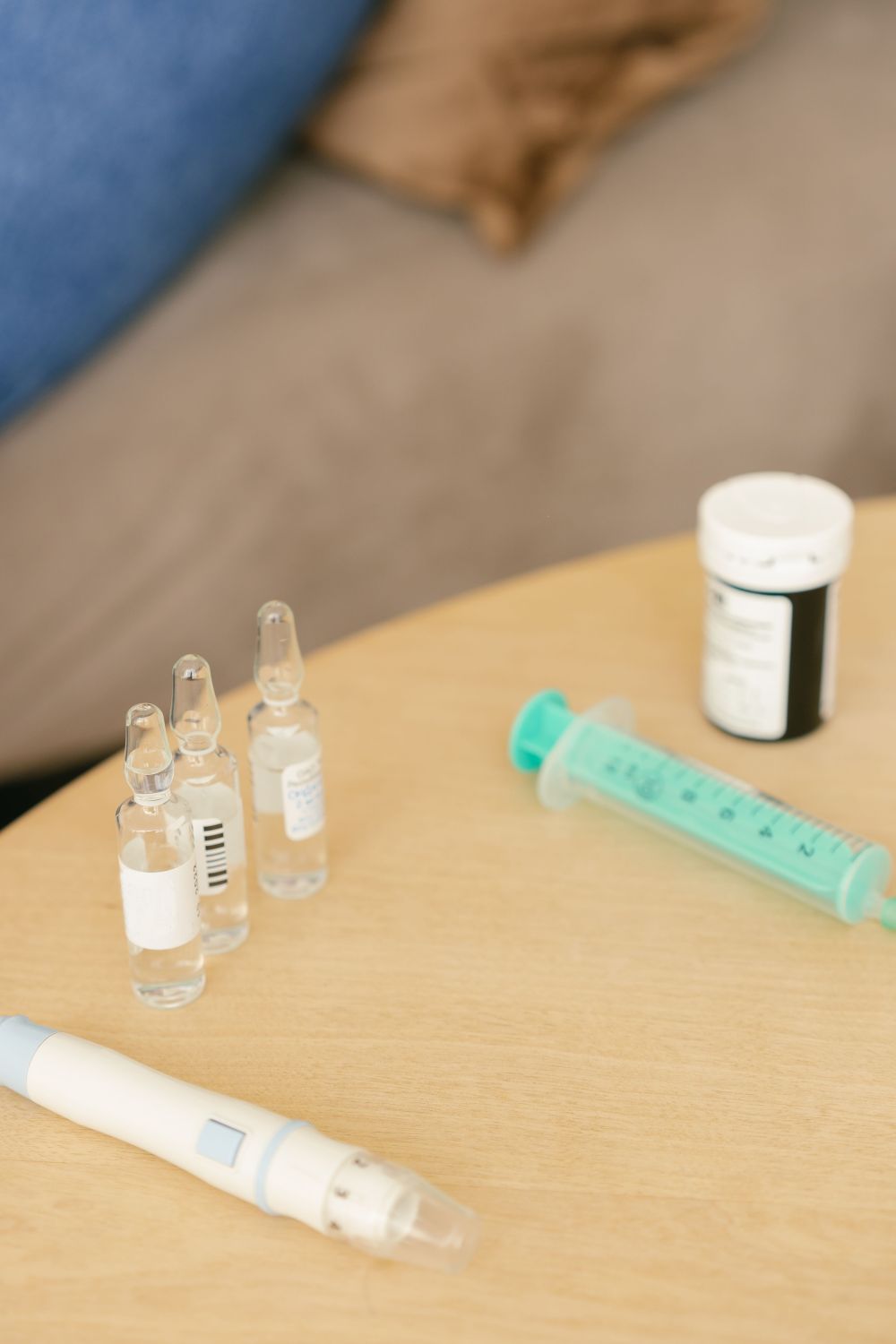
Study suggests oral semaglutide reduced heavy drinking in adults with alcohol disorder.
A medication already used by millions of Americans for diabetes and weight loss may also help people drink less alcohol, according to new research. Scientists found that an oral form of semaglutide reduced heavy drinking in adults living with alcohol use disorder (AUD), raising hope for another treatment choice for a condition that has seen few new medication options in many years. The research was completed by investigators at the University of Colorado Anschutz School of Medicine and published in The American Journal of Psychiatry. Unlike earlier research that focused on injectable versions of the drug, this study tested a pill taken by mouth. Researchers believe that form may be easier for some people with AUD to accept and continue taking.
Alcohol use disorder affects a large number of adults across the nation. Federal survey data from 2024 found that about 27.1 million adults aged 18 and older were living with the condition. It is marked by an ongoing struggle to control drinking even when alcohol causes problems with health, work, family life, or personal safety. Current treatment choices do not work for everyone, and no new medication has been approved specifically for AUD in nearly 20 years. Because of that, researchers have continued looking for other ways to help people reduce harmful drinking.
The study followed 50 adults over eight weeks. Some participants received oral semaglutide, while others were given a placebo with no active medication. At the end of the trial, those taking semaglutide generally reported drinking less than those in the comparison group. Researchers found that participants taking the medication had fewer days of heavy drinking, consumed less alcohol when they did drink, and reported fewer cravings from day to day. They also experienced fewer alcohol-related problems and showed lower overall drinking risk. Another finding was a drop in the number of days participants used cannabis.

One result surprised the research team. People taking semaglutide did not lose weight during the study. Joseph Schacht, a clinical psychologist and neuroscientist at the University of Colorado Anschutz School of Medicine, said this suggests the change in drinking behavior was not tied to weight loss or eating habits. The team also examined brain activity by using functional MRI scans while participants viewed images of alcoholic drinks. Schacht said one possible explanation is that semaglutide affects dopamine activity in parts of the brain linked to reward. If that is true, the medication may reduce the desire for alcohol by making drinking feel less rewarding.
Doctors not involved in the research believe the findings deserve attention, although they also urge caution. Dr. Clare Thompson, a general practitioner who leads the weight management service at the Cadogan Clinic in London, said some patients taking semaglutide for weight management have naturally reported less interest in drinking alcohol. Even so, Thompson noted that the study was small and lasted only eight weeks, making it too soon to reach firm conclusions.
According to Thompson, much larger studies lasting longer periods will be needed before oral semaglutide could become an accepted treatment for AUD. More research will also help determine the best dose, how long treatment should continue, and which patients are most likely to benefit. Although oral semaglutide is not yet approved to treat alcohol use disorder, the results suggest it may become another option in the future if larger clinical trials produce similar findings.
Sources:
Scientists tested an Ozempic pill on heavy drinkers. The results were promising
GLP-1 use tied to obesity decline, but doctors warn of alarming misuse
Join the conversation!