
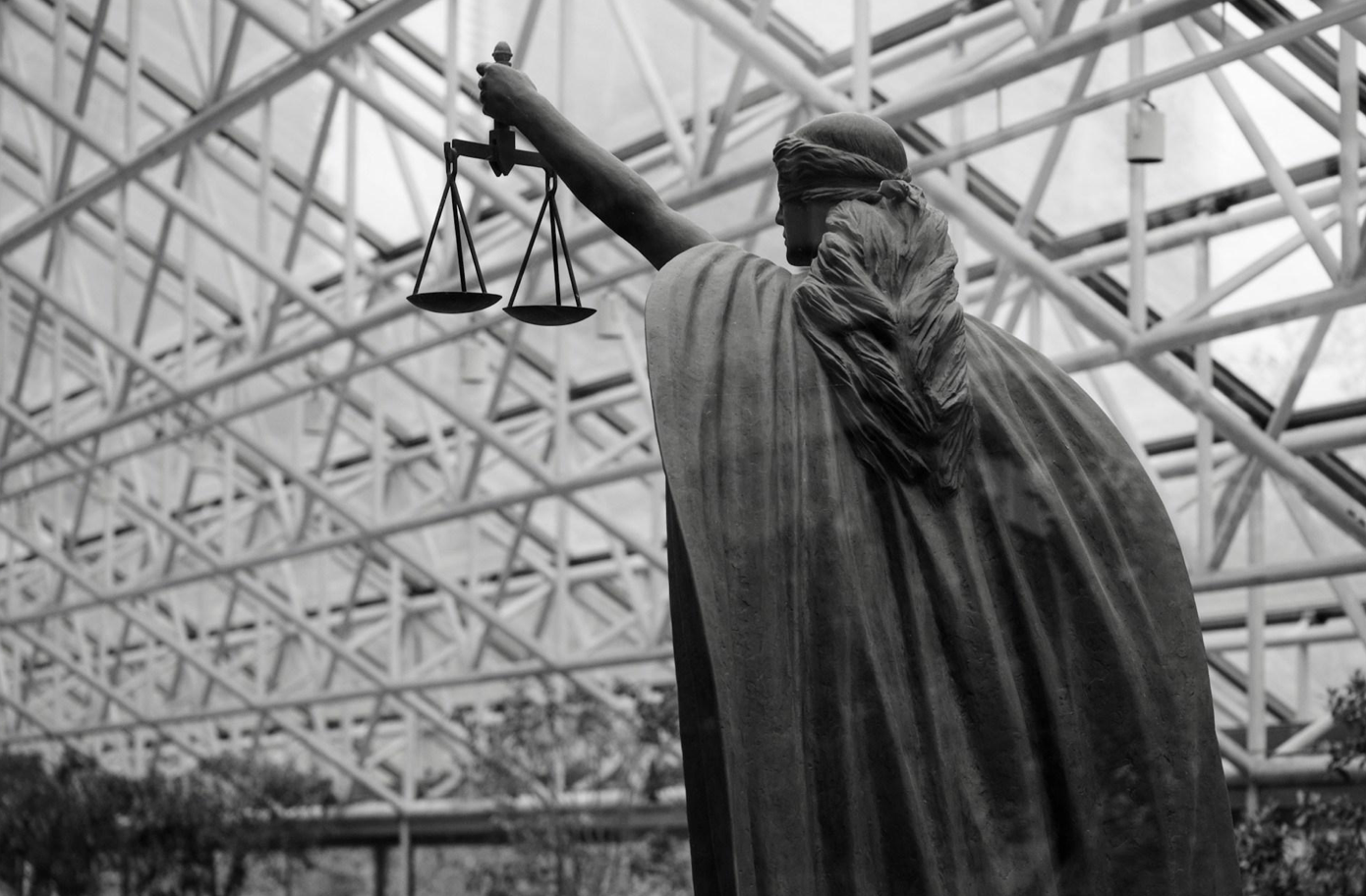
The truth after a car accident is rarely found in a single statement or document. It emerges gradually as witness testimony, police reports, physical evidence, surveillance footage, medical records, and digital technology are examined together.
The moments after a car accident are often filled with uncertainty. Drivers replay the collision in their minds, witnesses compare what they saw, and police begin gathering information at the scene. Within minutes, multiple versions of the same event can emerge. Each person may genuinely believe their account is accurate, yet those accounts do not always align. That raises an important question: Who owns the truth after an accident?
The answer is that no one does. In a personal injury claim, truth is not determined by who speaks first or who tells the most convincing story. It is reconstructed through evidence. Witness testimony, police reports, photographs, physical evidence, surveillance footage, vehicle data, and expert analysis all help piece together what actually happened. In civil litigation, the strongest case is usually the one supported by the most credible and complete evidence rather than the loudest narrative.
If you have questions about protecting your rights after a collision, contact Ankin Law at 312-600-0000 for a free consultation.
Key Takeaways
- The truth after a car accident is established through evidence, not opinions.
- Honest witnesses can remember the same crash differently.
- Police reports, physical evidence, surveillance footage, and digital technology all help reconstruct accidents.
- Competing narratives often shape insurance claims and personal injury lawsuits.
- Preserving evidence early can strengthen your legal position if fault is disputed.
Why Doesn’t Everyone Remember an Accident the Same Way?
People often expect accidents to produce a single, objective version of events. In reality, collisions happen quickly, unexpectedly, and under stressful conditions. Human memory is remarkably imperfect during moments of fear or confusion, which means different people may honestly recall different details.
One driver may remember entering an intersection on a green light. Another may remember seeing the other vehicle speeding. A witness standing on the sidewalk may notice something neither driver observed because they viewed the collision from an entirely different angle.
Psychologists have long recognized that memory is reconstructive rather than photographic. Instead of recording every detail like a video camera, the brain pieces together events using perception, attention, and later recollection. Time also changes memory. As days or weeks pass, conversations with family members, news reports, or repeated retelling of the accident can influence how people remember what happened.
This does not necessarily mean anyone is lying. It simply explains why investigators rarely rely on one person’s recollection when determining fault. Instead, they compare multiple sources of evidence until a clearer picture emerges.
How Is the Truth Reconstructed After a Car Accident?
The legal system treats an accident much like solving a puzzle. Every piece of evidence contributes to understanding how the collision occurred, but no single piece usually tells the entire story.
Police reports often provide the first formal account of the accident. Officers document vehicle positions, road conditions, visible damage, witness information, and statements from those involved. Although police reports carry significant weight during insurance investigations, they are not the final word on liability. Officers frequently arrive after the collision has already occurred and must rely on the information available at the scene.
Witness testimony adds another layer of information. Independent witnesses who have no personal stake in the outcome can sometimes provide valuable observations about traffic signals, vehicle movements, or driver behavior. At the same time, witnesses can disagree with one another or miss important details depending on where they were standing.
Physical evidence often provides the most objective information available. Tire marks, debris fields, impact points, crush damage, roadway gouges, and the resting positions of vehicles can help accident reconstruction experts determine speeds, directions of travel, and sequences of impact. Unlike memories, physical evidence cannot forget or become influenced by later conversations.
Medical records also contribute to reconstructing the truth. The nature of an injury may support or contradict claims about how the collision occurred, while treatment records help establish the connection between the accident and the injuries being claimed.
No single piece of evidence controls the outcome. Instead, investigators evaluate how all of the evidence fits together before reaching conclusions about liability.
How Has Technology Changed the Search for the Truth?
Modern technology has transformed accident investigations in ways that were unimaginable just a generation ago. Today, investigators often have access to digital evidence that provides objective information about the moments before and during a crash.
Dash cameras have become increasingly common, providing continuous recordings that may capture traffic signals, lane changes, weather conditions, and driver actions leading up to a collision. Nearby businesses, residences, and traffic cameras may also record portions of an accident, sometimes offering perspectives unavailable from eyewitnesses.
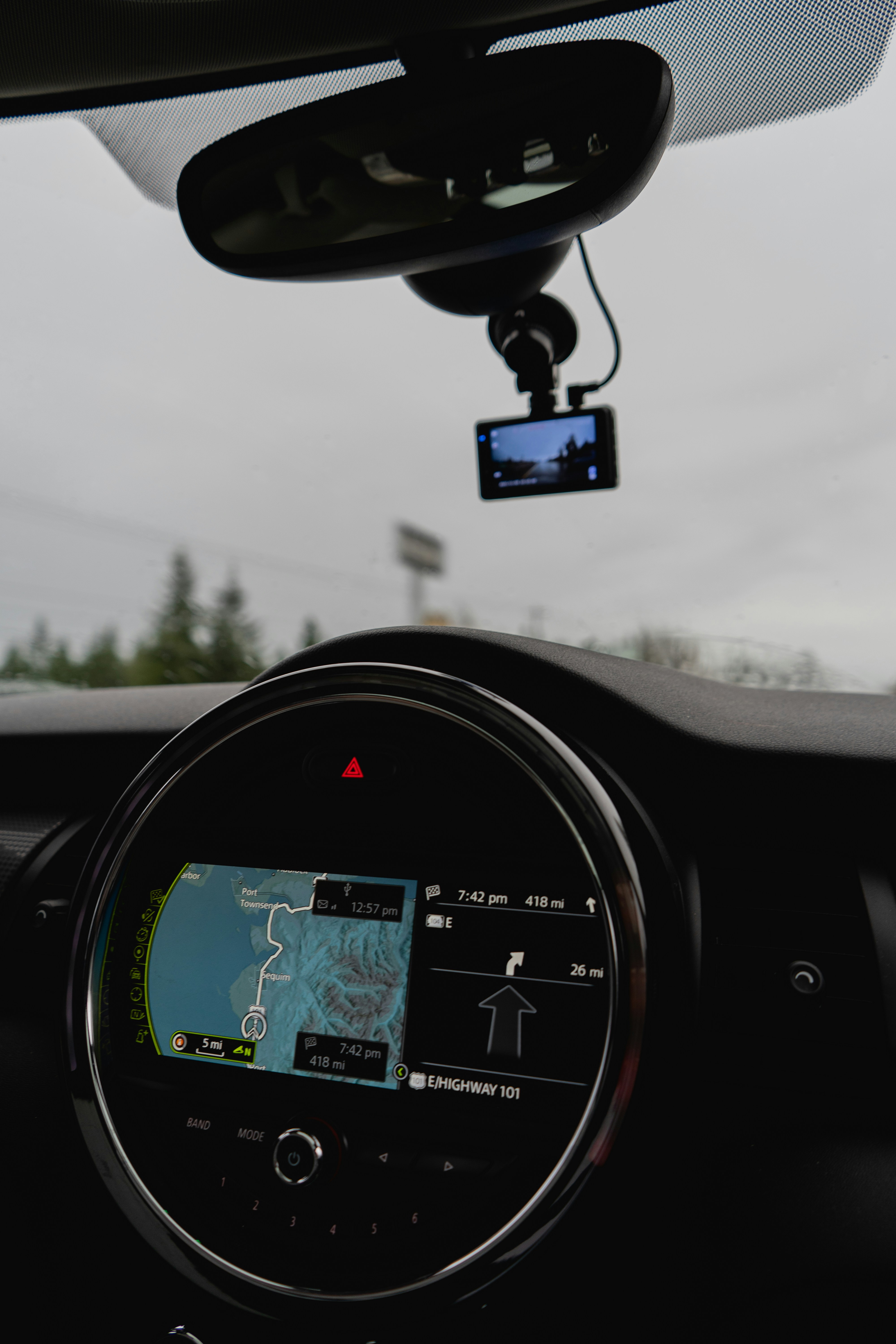
Many newer vehicles contain event data recorders, sometimes referred to as automotive “black boxes.” These systems may preserve information on driver behaviors, such as vehicle speed, steering input, braking activity, and seat belt usage immediately before impact. Cell phone records may also become relevant when distracted driving is suspected.
Technology does not replace traditional evidence, but it often strengthens it. When digital evidence aligns with witness testimony and physical evidence, investigators can reconstruct accidents with greater confidence than ever before.
Why Do Competing Narratives Matter in Civil Litigation?
Every personal injury case tells a story. The injured person presents one narrative explaining how the collision occurred and why compensation is justified. The defense or insurance company may present a different narrative that disputes liability, minimizes injuries, or argues that another factor contributed to the accident.
Civil litigation is not simply about choosing between two competing stories. Instead, each side attempts to support its narrative with admissible evidence. Attorneys organize witness testimony, photographs, medical records, expert opinions, and physical evidence into a coherent explanation of the events.
Insurance companies carefully examine inconsistencies because they may affect how liability is assigned or how damages are valued. Even relatively small factual disputes can influence settlement negotiations when fault is contested.
This is why preserving evidence immediately after a collision is so important. Strong documentation can help prove you are not at fault when another driver’s version of events conflicts with the available evidence.
Ultimately, successful personal injury claims depend less on persuasive storytelling and more on whether the story is supported by credible facts.
Can More Than One Version of the Truth Be Legally Correct?
One of the most misunderstood aspects of personal injury law is that fault is not always all or nothing. Two drivers may each contribute to the same collision, even if one bears greater responsibility than the other.
Illinois follows a modified comparative negligence system, allowing responsibility to be divided among multiple parties based on the evidence. That means recovering compensation may still be possible even if you are at fault for a portion of the collision, provided your share of fault does not exceed the limits established by state law.
This legal framework reflects an important reality. Accidents are often more complicated than a simple question of who was right and who was wrong. A driver may have been speeding while another failed to yield. A pedestrian may have crossed outside a crosswalk while a motorist was distracted. The law recognizes these complexities by evaluating the conduct of everyone involved rather than forcing every case into a single narrative.
Why Does Legal Representation Matter When Facts Are Disputed?
When evidence conflicts, preserving and organizing the facts becomes just as important as understanding the law. Attorneys investigate accidents by obtaining surveillance footage before it is erased, interviewing witnesses while memories remain fresh, consulting accident reconstruction experts, reviewing medical records, and analyzing digital evidence.
They also understand how insurance companies evaluate competing narratives and where disputes commonly arise. By developing a case built on objective evidence instead of assumptions, an attorney can present a clearer and more persuasive account of what occurred.
Working with an experienced car accident lawyer also helps ensure that critical evidence is identified early and that your legal rights are protected throughout the claims process.
The truth after a car accident is rarely found in a single statement or document. It emerges gradually as witness testimony, police reports, physical evidence, surveillance footage, medical records, and digital technology are examined together. In civil litigation, competing narratives will always exist, but the outcome ultimately depends on which version of events is best supported by credible evidence. If you have questions about preserving evidence or pursuing an injury claim, contact Ankin Law today at 312-600-0000 for a free consultation.
Join the conversation!