
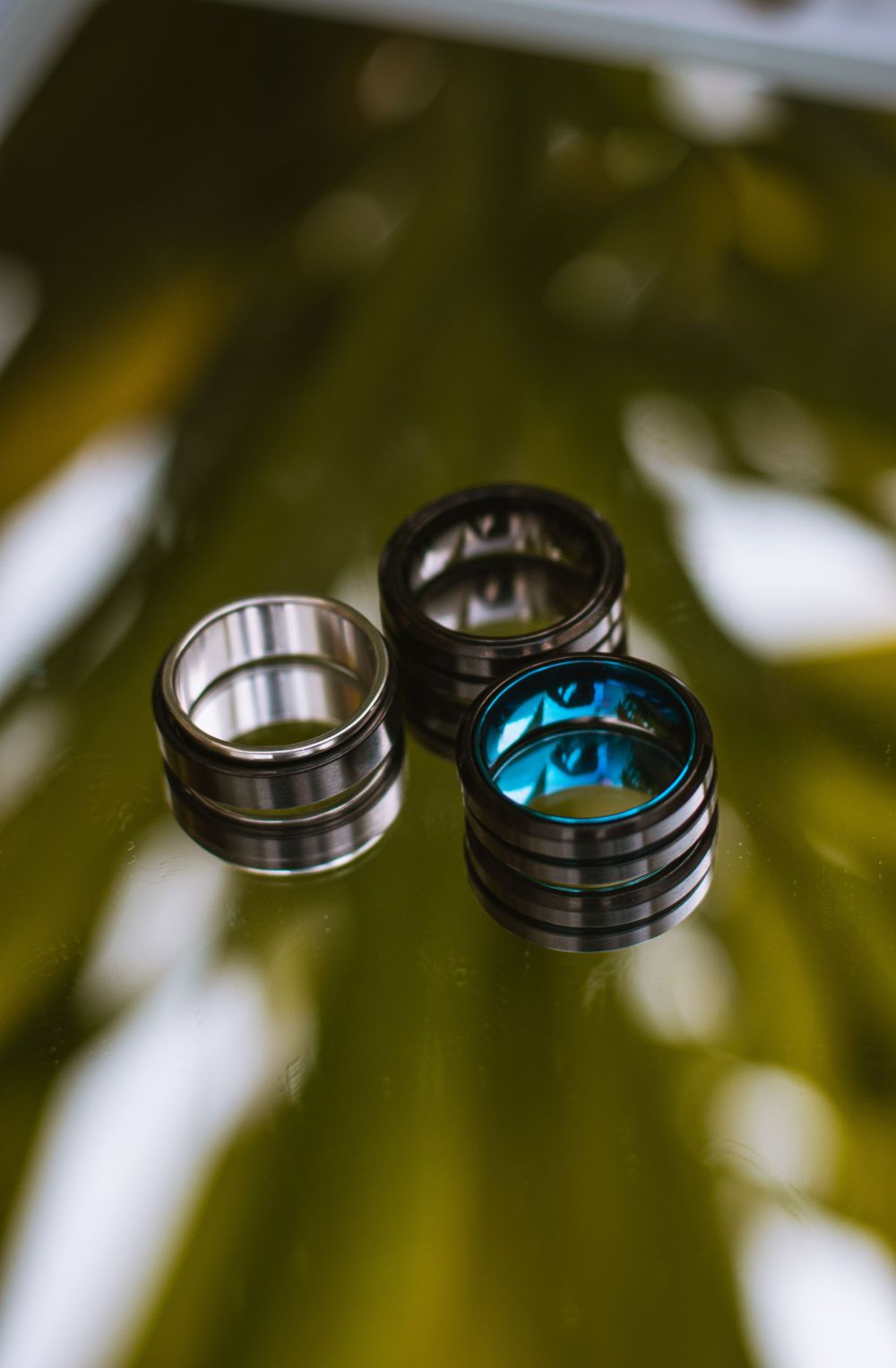
Oura faces lawsuit questioning accuracy of its consumer sleep tracking technology.
A proposed class action lawsuit is challenging claims made by Oura about the accuracy of its smart ring sleep tracking. The case was filed in federal court in California on August 20 and was brought by lead plaintiff Madison Surber, a California resident who says she paid $513.68 for an Oura Ring in 2025 after seeing the company’s claims about its sleep tracking technology. The lawsuit questions Oura’s statements that its rings can identify different stages of sleep with accuracy of up to 95% when compared with sleep studies performed in medical labs. The complaint argues that sleep stages cannot be measured directly by a ring because important signs used in medical sleep testing include brain activity and eye movement.
Medical sleep studies, known as polysomnography, use several types of equipment to record what happens in the body and brain during sleep. These tests can measure brain waves, eye movement, muscle activity, breathing and other body signals. Oura’s ring does not collect all of those signals. Instead, it uses sensors to gather other information and then estimates a person’s sleep stages.
The complaint describes those estimates as far less reliable than Oura’s advertising may suggest. It points to a 2025 study published in Nature that involved 45 nights of sleep data and found about 53% overall agreement when sleep stages were classified. The lawsuit also claims the ring can sometimes report too much or too little time in certain sleep stages.
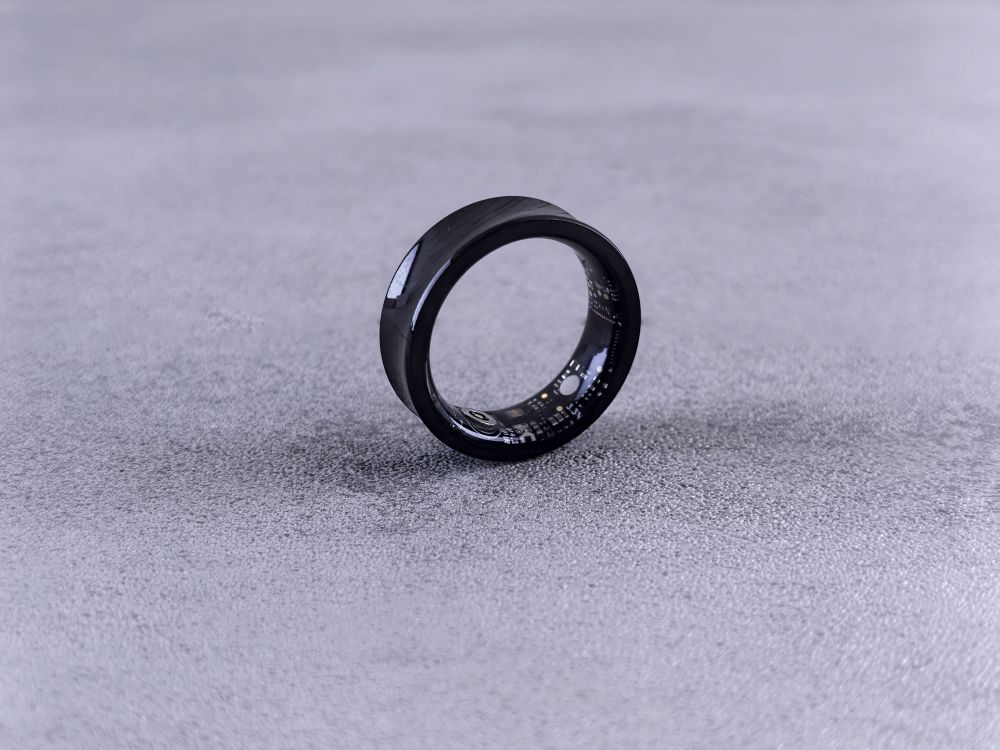
Oura has denied the claims in the lawsuit. A company spokesperson said Oura intends to defend itself and stands behind its research and accuracy statements. The company says its sleep tracking system uses heart rate, heart rate changes, body movement, breathing patterns and body temperature to estimate sleep stages. The company also says its sleep technology has been tested against polysomnography in several independent studies. Oura reports that its sleep-staging system was developed using more than 1,200 nights of data. At the same time, the company states that the ring is not a medical device and should not replace a professional sleep study.
The legal dispute raises a larger question about how wearable devices present health information. Smart rings, watches and other devices can collect large amounts of body data, but much of that information is calculated rather than directly measured. A simple score or percentage on a phone screen can make an estimate appear more exact than it really is.
For consumers, the difference can matter. Sleep data may be useful for spotting changes over time, such as sleeping fewer hours or seeing shifts in a normal routine. A single reading, however, may not provide enough information to determine whether someone is actually getting a certain amount of deep, light or dream sleep. The lawsuit also comes as Oura is expanding its use of computer-based health tools and prepares for a possible U.S. public stock listing. Greater attention on the company’s sleep technology could bring more questions about how health-related features are described to customers.
The complaint seeks a court order stopping the marketing claims in question, along with refunds and other financial relief for customers who are eligible to be part of the class and are covered by the case. The allegations remain unproven, and Oura continues to dispute them. The case could eventually affect how wearable companies describe sleep tracking and other health features. As more consumer devices turn sensor readings into detailed health reports, companies may face greater pressure to clearly explain which results are measured directly, and which results are just estimates.
Sources:
Oura Ring’s AI Sleep-Tracking Claims Face Legal Scrutiny
Lawsuit alleges Oura ring doesn’t accurately track sleep
Smart ring Oura accused of overstating sleep-tracking accuracy, class-action lawsuit alleges
Join the conversation!