
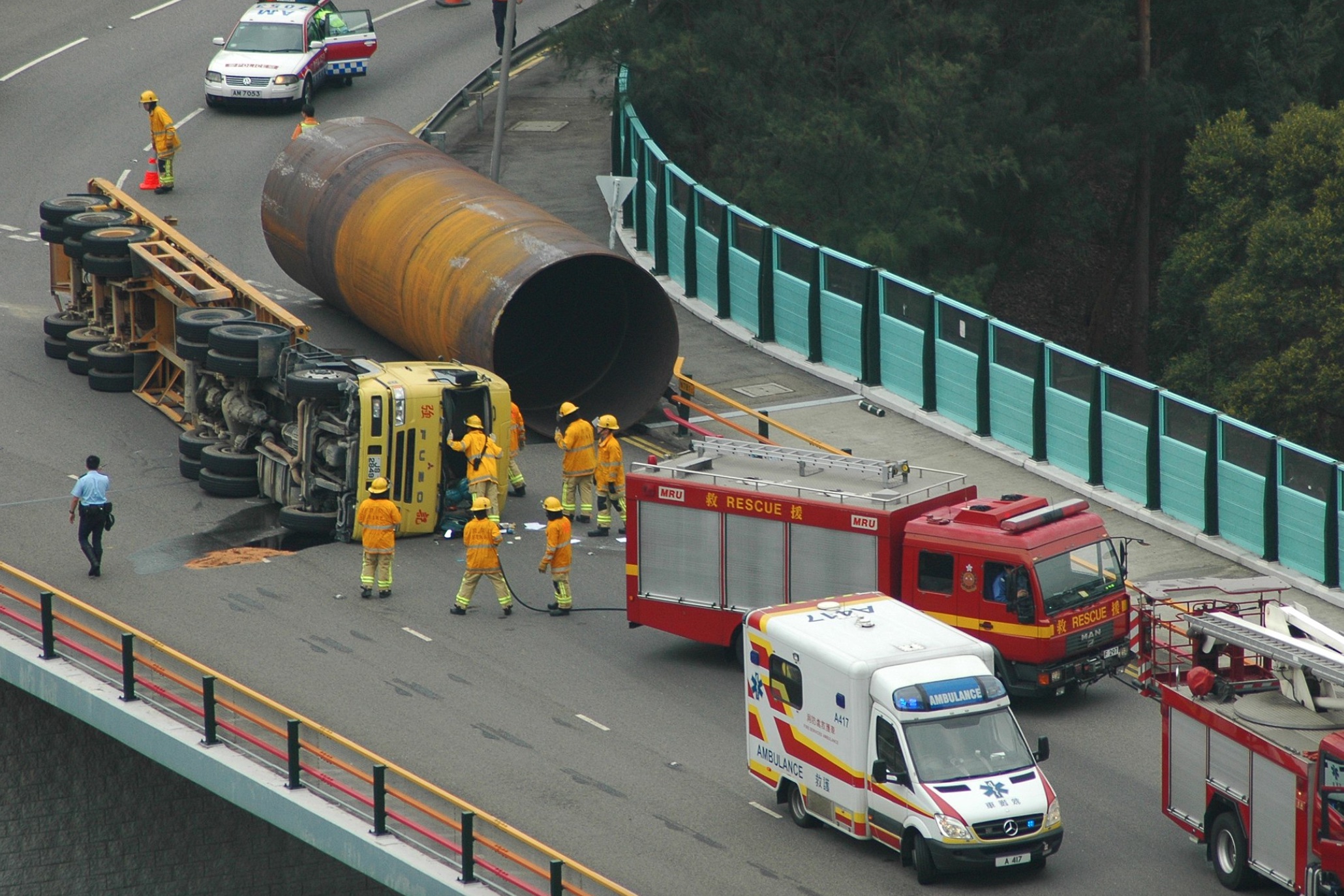
How the cargo was loaded, secured, inspected, and transported can determine which parties are responsible.
An unsecured load can turn ordinary cargo into a serious roadway hazard. Materials may fall from a trailer, spill across traffic lanes, strike nearby vehicles, or shift inside the truck and cause the driver to lose control.
Someone looking for a truck accident lawyer in Macon, GA may need to determine how the cargo was loaded, who inspected it, whether the securement equipment was adequate, and which parties failed to meet their safety responsibilities.
Why Are Unsecured Loads So Dangerous?
Commercial trucks carry everything from construction materials and machinery to lumber, metal coils, and consumer goods. When those items are not properly restrained, sudden braking or a sharp turn can cause the load to move.
A shifting load can change the truck’s center of gravity and contribute to a rollover or jackknife accident. Cargo that falls onto the roadway can also cause secondary crashes as other drivers brake or swerve to avoid it.
Even smaller objects can cause severe damage when they fall from a truck traveling at highway speed.
What Do Federal Cargo-Securement Rules Require?
Federal regulations require cargo carried by commercial vehicles to be contained, immobilized, or secured so that it does not shift enough to affect safe operation.
Cargo-securement systems must also prevent materials from leaking, spilling, blowing, or falling from the vehicle. Depending on the load, the truck may need tiedowns, blocking, bracing, shoring bars, or other securement equipment.
Different rules may apply to certain types of cargo, including logs, metal coils, heavy machinery, vehicles, large boulders, and intermodal containers.
Does the Driver Have to Inspect the Load?
Drivers and motor carriers have important responsibilities for cargo safety.
Federal rules generally require the driver to inspect the cargo and securement devices before operating the vehicle. The load must then be checked again within the first 50 miles of the trip.
Further inspections may be required when the driver changes duty status, after the vehicle has traveled for three hours or 150 miles, and when necessary during the journey. Limited exceptions may apply when the cargo is sealed or the driver has been ordered not to inspect it.
Who May Be Responsible for the Accident?
Responsibility depends on who loaded, controlled, inspected, and transported the cargo.
The truck driver may be liable for failing to perform required inspections or continuing to drive after noticing a loose or unstable load. The motor carrier may be responsible for inadequate equipment, poor training, weak inspection procedures, or allowing an unsafe truck onto the road.
A separate loading company, warehouse operator, contractor, shipper, or maintenance provider may also be investigated. However, assigning responsibility to a third party does not necessarily remove the driver’s or carrier’s duties under federal securement rules.
More than one person or business may share responsibility for the same crash.
What Evidence Can Show Why the Load Failed?
Evidence should be collected as early as possible because cargo and roadway debris may be removed quickly.
Important materials may include:
- Photographs and videos of the cargo and accident scene
- Broken straps, chains, binders, or tiedowns
- Bills of lading and loading records
- Weight tickets and cargo descriptions
- Driver inspection reports
- Truck maintenance and repair records
- Dashcam or surveillance footage
- Witness statements
- Police reports and electronic vehicle data
Investigators may also examine whether the securement devices were damaged, worn, incorrectly positioned, or too weak for the weight of the cargo.
Can the Trucking Company Blame the Loading Company?
A carrier may argue that another business loaded the truck incorrectly. That can be relevant, but it may not resolve the entire liability question.
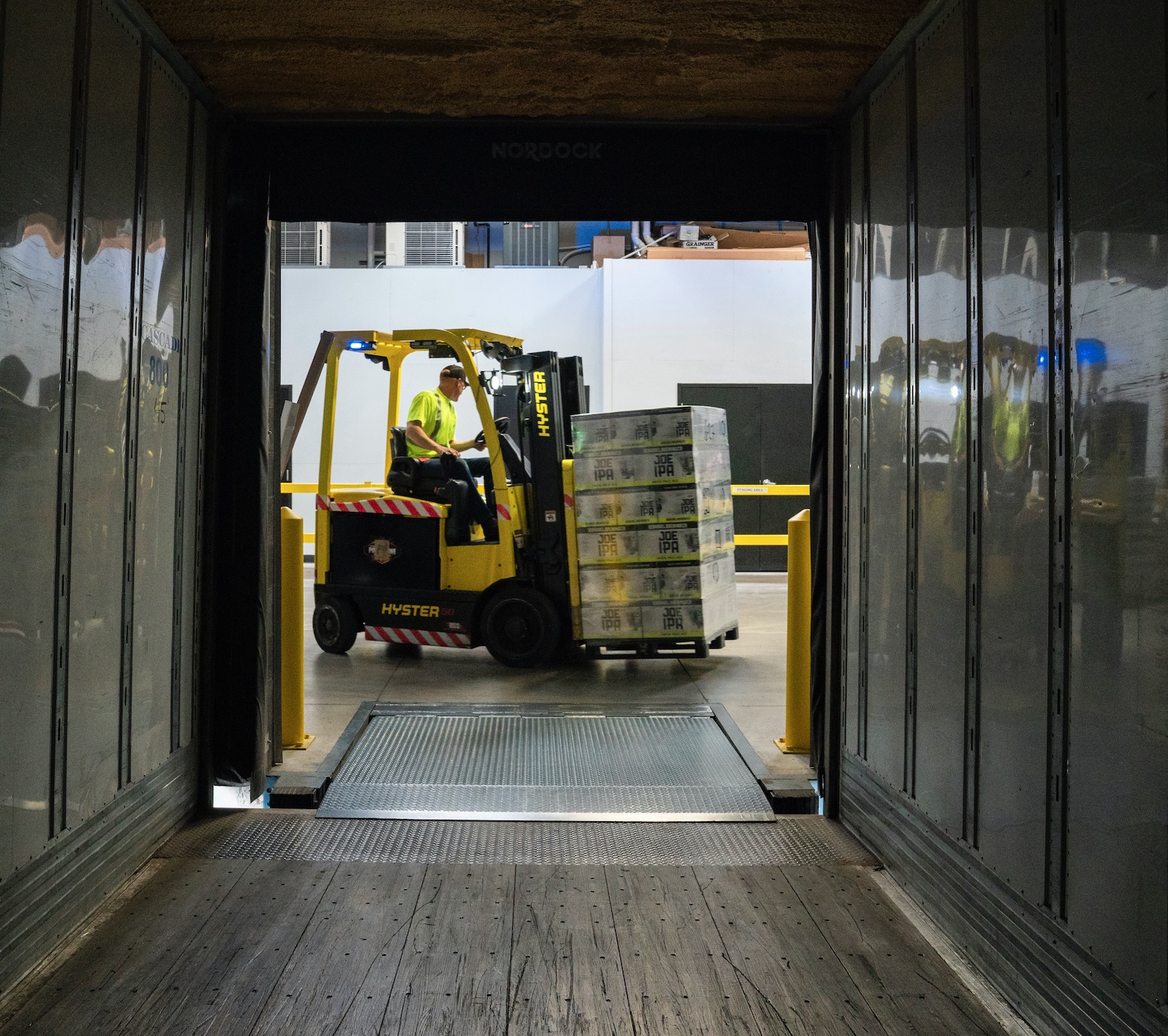
Federal guidance places responsibility on the motor carrier and driver to ensure that cargo aboard the vehicle is properly loaded and secured. The specific facts will determine whether another company also contributed to the failure.
Contracts, loading instructions, workplace procedures, and witness testimony may help establish who controlled each part of the process.
How Does Georgia’s Shared-Fault Rule Apply?
Georgia allows fault to be divided among the people and businesses that contributed to an injury.
For example, responsibility could be allocated among the driver, motor carrier, loading contractor, and another motorist. An injured person’s compensation may also be reduced if that person contributed to the collision.
Under Georgia’s modified comparative-fault rule, a claimant who is 50 percent or more responsible generally cannot recover damages.
What Compensation May Be Available?
An unsecured-load accident claim may include compensation for emergency treatment, hospital care, rehabilitation, lost income, reduced earning ability, property damage, and pain and suffering.
Future medical expenses may also be considered when the injuries require ongoing treatment. Permanent disability or long-term work restrictions can significantly affect how the losses are calculated.
The available amount depends on the injuries, supporting evidence, insurance coverage, and each party’s percentage of fault.
Does the Filing Deadline Matter?
Yes. Georgia generally provides a two-year filing period for personal injury actions.
Certain circumstances can affect legal deadlines, and claims involving a government vehicle or public agency may have additional notice requirements. Evidence-preservation concerns can also arise long before the filing period ends.
Taking early action may help preserve the cargo, securement equipment, company records, and electronic information needed to explain what happened.
Conclusion
When an unsecured load causes a truck accident in Macon, the investigation must look beyond the moment of impact. How the cargo was loaded, secured, inspected, and transported can determine which parties are responsible.
Preserving the physical evidence and commercial records is especially important. Those materials may show whether the accident resulted from driver error, inadequate company procedures, defective equipment, improper loading, or a combination of failures.
Join the conversation!