
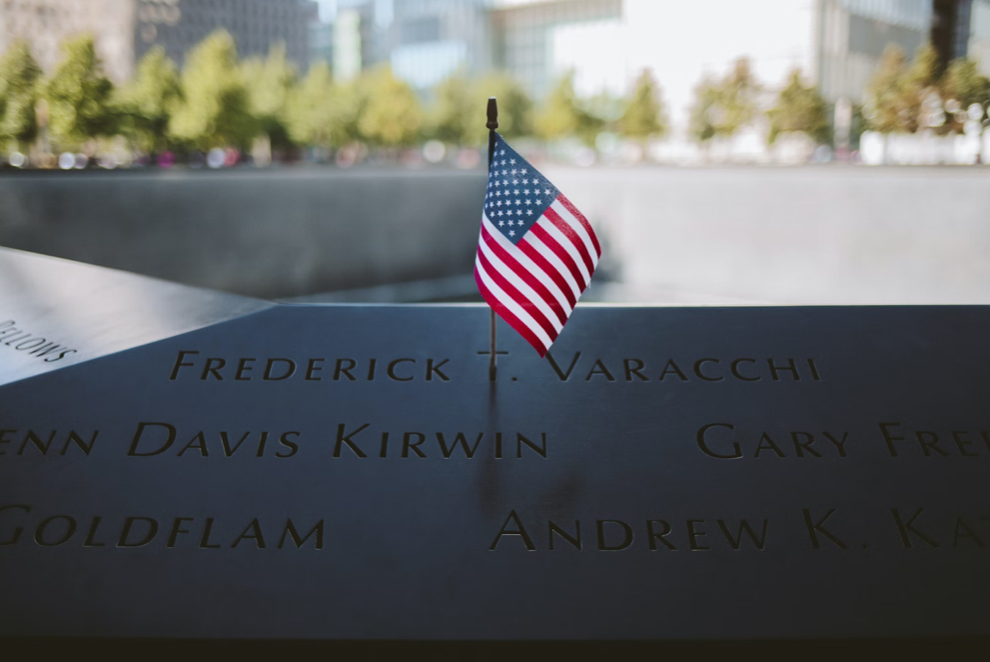
Twenty-five years on, honoring the people we lost means admitting the attacks are still taking lives, and making sure the ones who are still being taken do not have to navigate it alone.
On September 11, 2001, 2,977 people were killed. We have spent 25 years learning their names, building memorials, and teaching our children what happened that morning.
Right after the attacks, I volunteered with Trial Lawyers Care, the pro bono effort organized to represent 9/11 families for free before the original Victim Compensation Fund. We all wanted to do something impactful during this difficult time. Those families making claims were dealing with a loss that had a date on it. But the injury now arrives without the 9/11 date on it. Decades later, the men and women who walked away from Lower Manhattan believing they had been lucky are the ones getting sick.
Earlier this month, the FDNY released its 25-year report on the health of the members who worked the rescue and recovery at Ground Zero. Remembered in the report are 608 firefighters, EMTs, paramedics, and civilian personnel who have since died of illnesses tied to what they breathed in at Ground Zero. That is nearly twice the 343 the department lost on that infamous day itself. The week the report came out, the FDNY added 36 more names to its World Trade Center Memorial Wall.
The FDNY only represents one group of victims that were impacted by the attacks on 9/11. Across all responders and survivors, the September 11th Victim Compensation Fund now counts close to 10,000 deaths from 9/11-related illness. The federal World Trade Center Health Program, which monitors and treats people exposed to the dust, had 145,275 members as of the end of June.
Roughly two-thirds of them have been certified for at least one 9/11-related condition. In the most recent 12 months alone, the program certified more than 10,000 new cancers.
The caseload is not winding down. It is growing.
Mesothelioma: A Disease of the Past Still Affecting People 25 Years Later
Among the cancers linked to Ground Zero, mesothelioma occupies a strange position. It is the disease most specifically tied to asbestos, with essentially no other cause, and it is the one we have seen the least thus far. Mesothelioma takes anywhere from 10-50 years to develop after asbestos exposure, and the long end of that range is far more common than the short end.
The WTC Health Program required 11 years between exposure and diagnosis to certify a mesothelioma case as 9/11-related; a deliberately low bar set at the shortest latency the scientific literature would support, so no legitimate case would be excluded. Everyone exposed to the dust cleared that latency threshold back in 2012.
Fourteen years later, the confirmed cases still number in the dozens, and we know very little about these cases. In 2024, researchers at NYU Grossman School of Medicine published the first case series of mesothelioma among community members treated at the World Trade Center Environmental Health Center.
There were four mesothelioma patients: three men and one woman, two with pleural mesothelioma and two with peritoneal mesothelioma. All lived or worked in Lower Manhattan, and none were inside the towers. Two had already died by the time the paper appeared.
The smallness of that number is the warning, not the comfort. If the latency curve for 9/11 exposure looks like the curve for every other large asbestos exposure event that has been studied, the diagnoses that peak 30 and 40 years out are the ones still in front of us.
Somewhere in the 2030s and beyond, people who have spent two decades assuming they got out fine may get a cancer diagnosis they never saw coming.
What the City Knew
On September 8, 2026, New York City released more than 170,000 pages of previously undisclosed air-quality records from after the attacks, ending a multi-year lawsuit brought by the advocacy group 9/11 Health Watch to see these documents.
Air monitoring data, contamination reports, and internal correspondence had sat in 68 boxes in a city office, many of them only rediscovered last year.
What they show is that asbestos turned up nearly everywhere inspectors tested, across Lower Manhattan and well beyond the pile itself. The records revealed that health officials were still finding airborne asbestos a half mile from Ground Zero 10 full months after the attacks.
I have spent 35 years handling asbestos cases, and the pattern in those boxes is one I recognize. The information existed but it wasn’t shared with the public.
The Exposure Extended Far Beyond the First Responders
The coverage has always centered on first responders, and they earned that. But the exposure zone was also a neighborhood, not just a worksite.
Office workers returned to their desks in October. Janitorial and cleaning crews wiped down the dust without respirators. Construction and cleanup workers spent months on the debris. Most residents never left. Teachers and students went to schools that reopened within blocks of the site. If you lived, worked, volunteered, or attended school in Lower Manhattan in the months after the attacks, you were exposed, whether or not you ever set foot on the pile.
The health program’s data shows just how broad the impact has been: Of the roughly 57,000 who have had a cancer certified over the life of the program, survivors now slightly outnumber responders.
Understanding Your Mesothelioma Legal Options
For anyone affected by 9/11-related exposure, understanding the available health and legal resources starts with knowing what programs apply, what documentation may be required, and which deadlines remain in place.
1. If you were in the exposure zone, enroll in the WTC Health Program
Monitoring and treatment are free. Enrollment is open, and in February of this year Congress corrected the program’s funding formula, securing it through 2040.
The leading reason applications stall is not eligibility. It is insufficient documentation of presence: pay stubs, school records, a lease, a transit record, and a letter from a supervisor. Gathering documentation while they still exist is important for moving forward with the process.
2. If you responded, register with New York’s Workers’ Compensation Board.
Form WTC-12 is not a claim and does not require a diagnosis. It is a sworn statement that you were there, and it preserves your right to bring a state workers’ compensation claim decades from now.
That deadline was set to expire on the anniversary itself. On September 10, Governor Hochul signed legislation pushing it to September 11, 2030.
3. Understand that the VCF and a lawsuit are alternatives
This is the point of the process that is most often misunderstood. The Victim Compensation Fund exists as a substitute for litigation.
When you file a VCF claim, you waive the right to sue over your 9/11-related condition, and the VCF’s own guidance is explicit that this waiver covers product liability suits against manufacturers. You cannot collect from the fund and sue an asbestos company for the same illness.
VCF registration is generally due within 2 years of your WTC Health Program certification, and registration is not the same as filing a claim. You must complete registration and complete claim filing before the fund’s final claim deadline.
Where litigation and asbestos trust fund claims genuinely matter is when there is a second exposure history. Many of the employees who worked on the recovery such as pipefitters, electricians, laborers, Navy veterans and steamfitters, spent careers around asbestos-containing products long before 2001.
That exposure is independent of Ground Zero, and claims arising from it are a separate legal question with separate deadlines. Anyone with a mesothelioma diagnosis and a union card older than 9/11 should have both histories reviewed before choosing a path.
25 Years Later: Caring for the Next Generation of 9/11 Victims
Anniversaries invite us to speak about 9/11 in the past tense. The records released this month, the FDNY’s report, and the health program’s latest numbers all encourage us to speak about the past, present, and future.
Somewhere in the next decade, a retired bond trader, a school custodian, or a woman who cleaned offices on Broadway is going to sit in an exam room and hear the word mesothelioma for the first time and trace it back to a September so long ago.
Honoring the people we lost that day means being ready for the next set of victims. It means the records stay public, the program stays funded, and the deadlines keep getting extended.
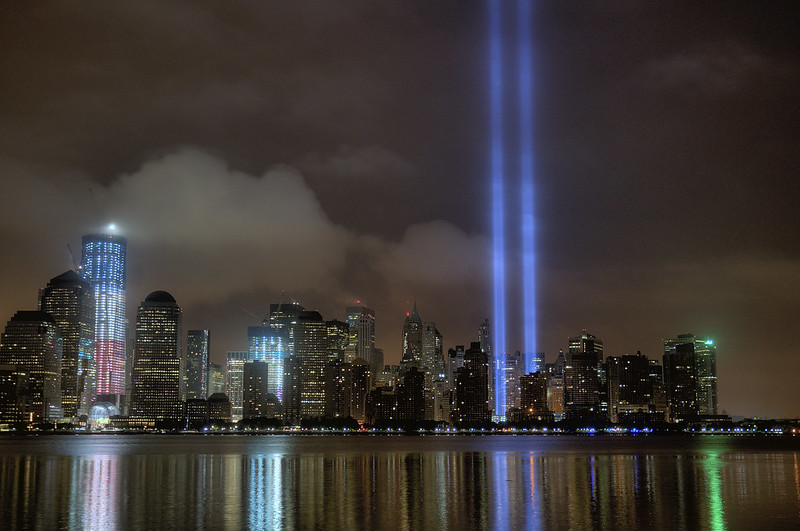
The families who engaged with Trial Lawyers Care in 2002 had support from many lawyers who volunteered to carry out the paperwork, so the victims did not have to do it alone. None of them had to figure out the fund on their own, and none of them paid for help.
A mesothelioma diagnosis arrives with a prognosis measured in months, and with a stack of deadlines and decisions that do not wait for a family to catch its breath. No one should be sorting through that alone while they or someone they love is sick.
Twenty-five years on, honoring the people we lost means admitting the attacks are still taking lives, and making sure the ones who are still being taken do not have to navigate it alone.
Join the conversation!