

The expectation that a publicly accessible property has received reasonable attention is so routine that most people never consciously consider it.
When you walk into a grocery store, apartment building, office, theater, parking garage, or other property open to visitors, you may make dozens of assumptions without realizing it. You might assume someone has checked the stairs, repaired broken doors, maintained the elevator, cleared dangerous walkways, and responded to previously reported problems. You may not expect a guarantee that nothing can go wrong, but you reasonably expect the property will not expose you to preventable dangers. Illinois premises liability law sits behind many of those everyday expectations, providing a framework for determining when unsafe property conditions can make an owner or occupier responsible for injuries.
Key Takeaways
- Opening property to lawful visitors carries responsibilities concerning reasonably safe conditions.
- Premises liability does not make a property owner automatically responsible for every accident.
- Liability can depend on who controlled the property and whether that party knew or should have known about a dangerous condition.
- Routine inspections, maintenance, repairs, and responses to reported hazards can become important when determining whether reasonable care was exercised.
- Different parties may be responsible for different parts or systems within the same property.
What Can You Reasonably Assume When You Enter a Publicly Accessible Property?
Most people do not inspect a building before entering it. You probably do not test every stair tread before climbing a staircase or investigate an elevator’s maintenance history before pressing the button. When you enter a store, you do not expect to determine whether a spill has been sitting unnoticed in the next aisle. Instead, everyday life depends on a basic expectation that those responsible for a property have taken reasonable precautions.
That expectation applies to many ordinary situations. You assume a parking garage has reasonably maintained walking surfaces and lighting. In an apartment building, you expect common stairways and entrances to receive appropriate attention. At an entertainment venue, you expect aisles and public areas to be maintained with visitor safety in mind.
These assumptions do not create absolute legal guarantees. Accidents can occur even when reasonable precautions are taken. However, Illinois’ premises liability legal standards recognize a duty of ordinary care regarding property safety for adults lawfully on the premises.
When Do Unsafe Property Conditions Become a Legal Issue?
A hazardous condition alone does not necessarily establish liability. An important question is whether the party responsible for the premises knew about the danger or, through ordinary care, should have discovered it. Illinois premises liability authorities recognize both actual and constructive notice of dangerous property conditions.
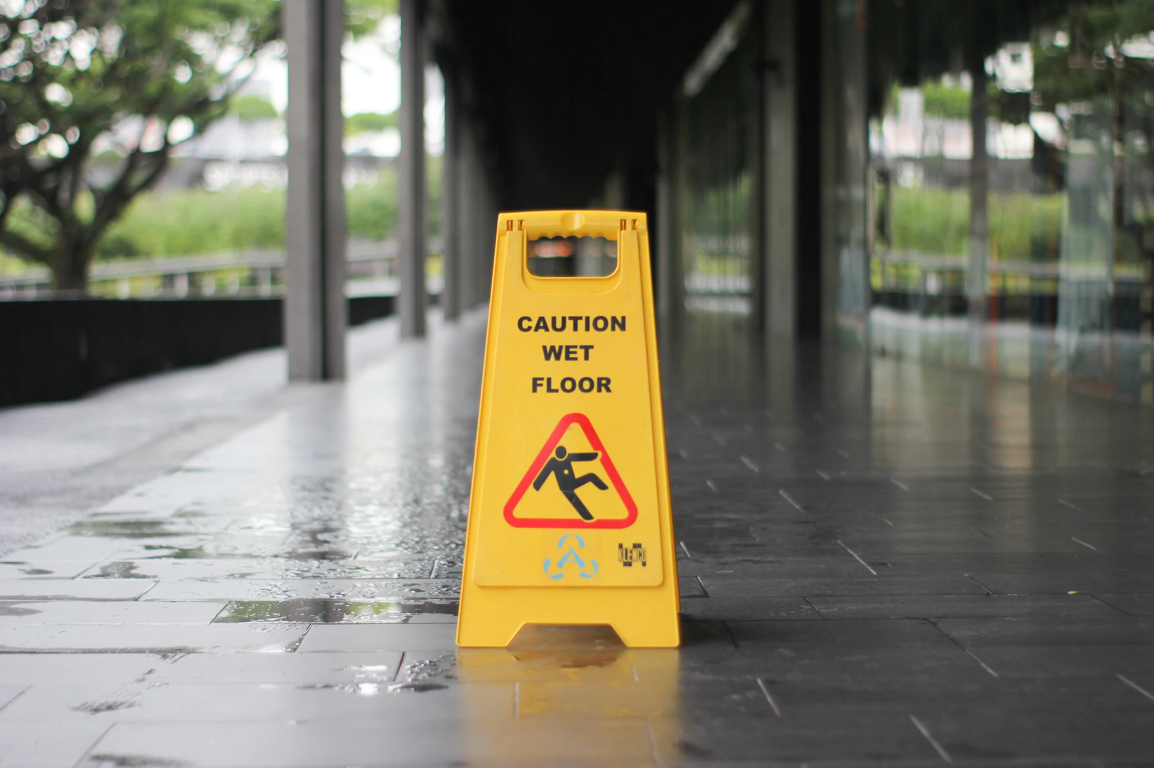
Actual notice may exist when someone reports a broken handrail, leaking ceiling, defective door, or similar hazard and the responsible party knows about the problem. Constructive notice can become relevant when a condition has existed under circumstances suggesting it should have been discovered through reasonable care.
This is where the invisible safety measures visitors rely upon become significant. Determining liability for unsafe conditions therefore requires more than identifying what caused an injury. It can require examining who controlled the dangerous area, what that party knew, and whether reasonable measures could have prevented the harm.
How Does Premises Liability Turn an Expectation of Safety Into Accountability?
Premises liability law does not require every property to be risk-free. Instead, it provides a way to examine whether the person or business responsible for the property exercised the level of care required under the circumstances. Illinois defines ordinary care in terms of the care a reasonably careful person would use under similar circumstances.
Evidence can help prove negligence in a slip and fall or another premises liability claim. The focus is not simply on the fact that you were hurt. It is on whether a failure to exercise reasonable care contributed to your injury.
What Happens When the Expected Safety Measures Fail?
The phrase “open to the public” can create a sense of security, but accessibility does not itself prove that a property is safe. A door can be unlocked while a staircase behind it is poorly maintained. A store can welcome customers while a recurring leak creates a slipping hazard. An elevator can remain in service while questions about inspection or maintenance go unresolved.
When those failures cause an injury, a slip and fall lawyer may investigate what happened behind the scenes. The central questions can include who was responsible for the property, whether the hazard was known or reasonably discoverable, what safety measures were in place, and whether a failure to use reasonable care caused the injury.
The expectation that a publicly accessible property has received reasonable attention is so routine that most people never consciously consider it. Premises liability law provides a legal framework for examining what happened when that expectation breaks down and preventable unsafe property conditions cause harm.
Join the conversation!