
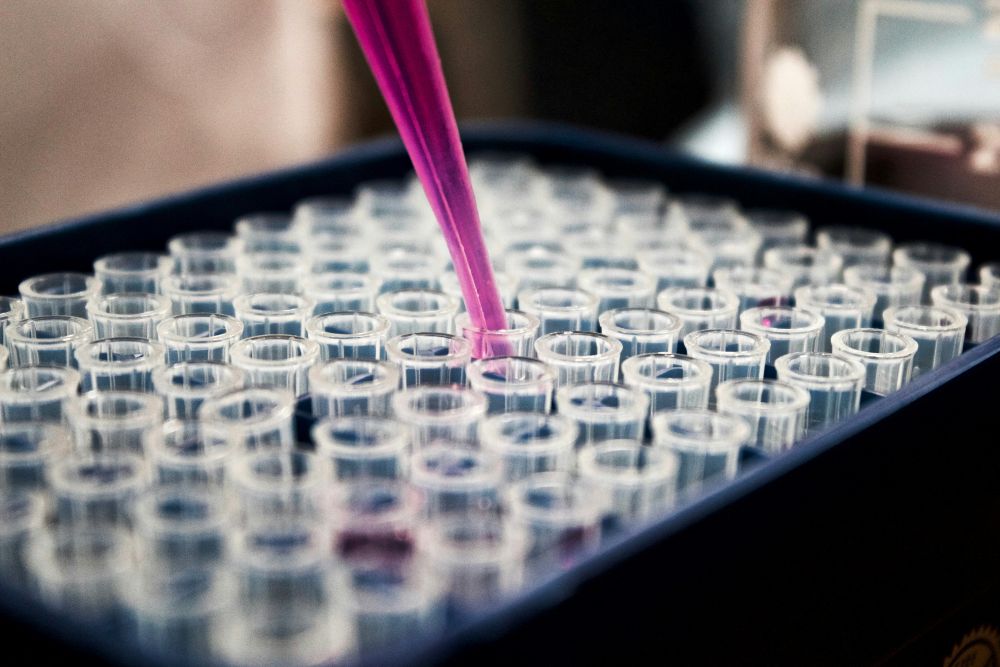
New HPV test offers rapid, affordable cervical cancer screening without labs.
A group of scientists from Rice University, together with partners in Mozambique and The University of Texas MD Anderson Cancer Center, has introduced a new test for human papillomavirus (HPV) that could change how women are screened for cervical cancer. The test is fast, affordable, and does not require a laboratory. Results are available in less than an hour, which means patients could be screened and treated during the same clinic visit. The study describing this development appeared recently in Nature Communications.
Cervical cancer remains one of the leading causes of cancer deaths among women across the world. The World Health Organization (WHO) estimates that over 350,000 women die each year from the disease, and most of those deaths occur in low- and middle-income countries where access to screening is limited. Nearly all cases of cervical cancer come from ongoing infection with high-risk strains of HPV. While vaccines are helping younger generations, many adult women remain at risk because they did not receive the vaccine in childhood. For them, early detection is often the only chance for survival.
The WHO considers HPV DNA testing the most reliable way to screen for cervical cancer, but the tests currently available are difficult to carry out in resource-poor areas. They usually require advanced equipment, trained lab staff, and days to process results. In remote or crowded clinics, patients often cannot return for follow-up care once results are ready. This leaves many women untreated, even if their screening shows signs of danger. A rapid test that could be used on-site would help doctors give care immediately, preventing precancerous cells from progressing to advanced disease.
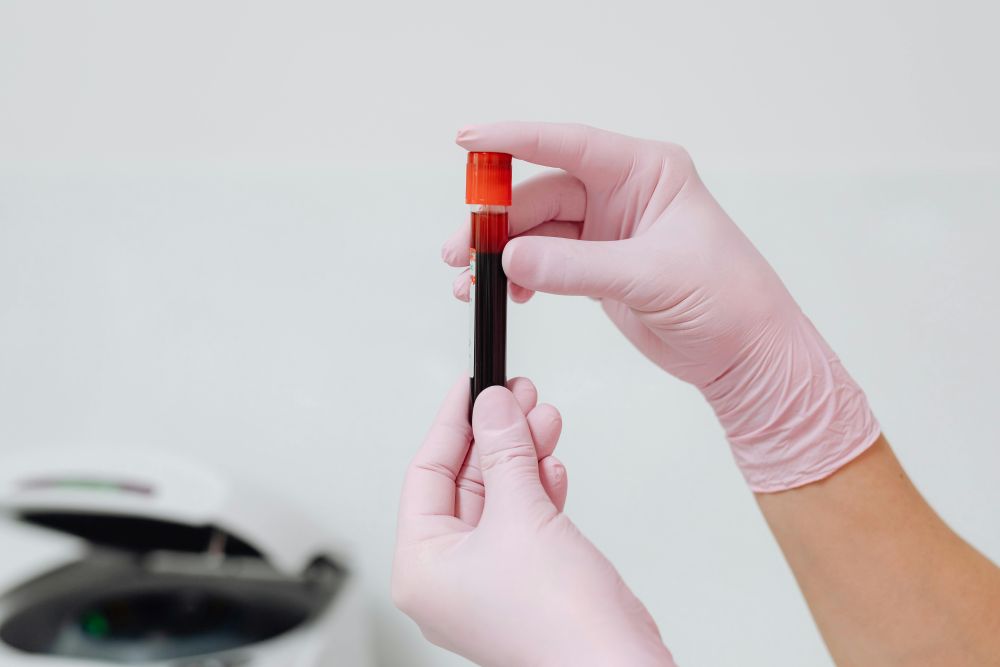
The Rice-led team focused on creating a tool that balanced accuracy, speed, and cost. Instead of relying on multiple steps, the new test uses a process called loop-mediated isothermal amplification, or LAMP. Unlike traditional tests that need complex machines to heat and cool samples, LAMP works at a single temperature. It also removes the need for DNA extraction, one of the slowest parts of older tests. A swab is collected, treated with a chemical, mixed with reagents, and placed in a portable heater. Within about 45 minutes, the sample glows under fluorescence if HPV is present.
This test targets three of the most dangerous HPV strains—HPV16, HPV18, and HPV45. Together, these account for about three-quarters of cervical cancer cases. It also includes a built-in control to confirm that the sample was collected properly, giving health workers added confidence in the results.
Clinical trials have shown promising results. In Houston, the test matched the gold-standard laboratory method in all 38 cases studied. In Mozambique, it matched 93% of 191 samples tested. At a projected cost of under $8 per test, the price makes it realistic for health programs in poorer regions. The device that runs the test is small, battery-powered, and portable, which means clinics without stable electricity could still use it.
Health leaders in Mozambique, where the study was tested, praised the tool’s potential. They noted that delays in diagnosis are often the difference between life and death. By giving doctors the ability to test and treat in a single visit, the device could make a measurable difference in outcomes for women.
The WHO has set a global target to screen 70% of women for cervical cancer by the year 2030. Reaching that number will depend on having tools that can be deployed in many different settings, including clinics with few resources. This test is designed with that exact challenge in mind.
The Rice team is already working on improvements, including expanding the number of HPV types the test can detect and creating a freeze-dried version of the reagents that would not need refrigeration. They are also running studies with frontline health workers to make the kit easier to use in real-world conditions.
Researchers believe that a ready-to-deploy version of this test could allow health systems to shift to “screen-and-treat” strategies worldwide. Such an approach would reduce the number of patients lost to follow-up and bring cervical cancer prevention within reach for millions of women. If scaled effectively, it could play an important role in moving closer to the WHO’s goal of eliminating cervical cancer as a major health threat.
Sources:
Simple, affordable HPV test delivers results in less than an hour
Join the conversation!