
Airbnb safety is largely in your hands. Airbnb provides some guidance, and hosts are encouraged to follow local regulations—but enforcement is inconsistent.
You’ve packed your bags, double-checked your reservation, and arrived at your Airbnb ready to unwind. Maybe you’re eyeing the pool, scouting out the kitchen, or flopping on the bed after a long travel day. But before you dive into vacation mode, take one extra moment—because there’s something travelers tend to overlook until it’s too late: Airbnb safety.
Short-term rentals have changed how we travel. They’re flexible, affordable, and often more comfortable than hotels. But there’s a trade-off. Unlike hotels, which follow strict building codes and undergo routine inspections, many Airbnbs operate with far fewer checks. Some hosts are meticulous. Others? Not so much.
That means safety features—like working smoke alarms or sturdy stair rails—aren’t always a given. And when something goes wrong, it’s often guests who bear the brunt, physically and legally.
Why the Fine Print Matters (Even If You’re Not Reading It)
We tend to think of vacation rentals as casual, friendly places. But the legal reality? If something goes wrong, responsibility can get messy fast.
City and state laws about rental safety vary, and Airbnb’s own terms place much of the burden on hosts and guests. If you’re injured because a rental lacked basic protections—say, no working smoke alarm or a loose stair rail—you may find yourself sorting through legal gray areas just as you’re trying to heal.
That’s why knowing the vacation rental safety checklist is more than common sense—it’s smart self-protection.
Vacation Rental Safety Checklist
Here’s a quick guest safety walk-through for rentals—a routine check you can do in under 10 minutes that could prevent days, weeks, or even months of hassle. Think of it as a traveler’s version of “measure twice, cut once.”
- Working smoke alarms in every sleeping area and hallway
These are your first line of defense in a fire. The National Fire Protection Association (NFPA) recommends checking that smoke detectors are present and functional—especially near sleeping areas where you might not hear a faint beep if a battery’s dying. - Carbon monoxide detectors near bedrooms and fuel-burning appliances
Invisible and odorless, carbon monoxide is a serious threat. If your rental has a gas stove, fireplace, or attached garage, a working CO detector is non-negotiable. Airbnb recommends them, but not every host installs one. - Clear emergency exits (no blocked doors or jammed windows)
In an emergency, every second counts. Scan for easy-to-open windows and unobstructed doors, especially in upper floors or basement units. An Airbnb may feel cozy, but tight or cluttered layouts can slow you down when it matters most. - Secure handrails on stairs and balconies
Whether you’re traveling with kids, seniors, or just navigating a late-night bathroom trip, shaky railings are an accident waiting to happen. Give them a gentle test before trusting your balance to them. - Properly maintained pool and hot tub safety for rentals (child-proof gates, covers, posted rules)
Pools are fun—until they’re not. Look for visible safety signage, secure barriers, and functioning covers. If any of those are missing, it’s worth a quick message to the host. Drownings are silent and fast, and legal responsibility can get murky. - No loose rugs, cords, or clutter that could cause slips or falls
Preventing slips, trips, and falls on vacation isn’t just about comfort—it’s about liability and injury prevention. Pay attention to uneven floors, slick tiles, or cluttered entryways. It takes seconds to trip, but much longer to recover. - Visible fire extinguisher (especially in the kitchen)
Fires start quickly, especially in unfamiliar kitchens. Spot the extinguisher—bonus if it’s labeled with simple instructions and easy to reach. If you can’t find one, ask the host or check the Airbnb listing’s safety features section. - Local emergency contact info clearly posted
In a crisis, you don’t want to waste time scrolling through emails. Look for a sheet or card with the address of the rental, emergency numbers (fire/police/medical), and the host’s direct contact. Take a picture so you have it handy.
These aren’t just travel best practices—they’re steps that can help later, especially if you need to document an unsafe condition, file an injury report, or communicate with Airbnb support. A quick walk-through can mean the difference between a great trip and a legal headache.
Keep This Simple Safety Checklist Handy
Before you even unzip your suitcase, take a few minutes to run through this quick checklist. It’s not about being paranoid—it’s about being prepared. These simple steps can help prevent accidents and give you peace of mind from day one.
- Test the smoke and carbon monoxide alarm essentials
Press the test buttons to confirm they’re working. These alarms aren’t just standard— they’re lifesaving, especially while sleeping. According to the NFPA, missing or non-functional alarms are a leading factor in fatal fire incidents. - Scan for tripping hazards (stairs, cords, rugs)
That cozy area rug? It might slide on tile. Look out for loose cords, uneven thresholds, or dimly lit stairs. The CPSC reports that preventing slips, trips, and falls on vacation is one of the most overlooked aspects of short-term rental safety. - Locate exits and fire extinguisher
Emergencies don’t come with warnings. Make sure you know how to get out quickly, especially at night. Spot the fire extinguisher—ideally near the kitchen—and check that it’s accessible and labeled. - Check water temp, railings, and deck stability
A too-hot water heater can cause scalds in seconds, especially for kids. Test handrails and decks for stability—they should feel solid, not shaky. Many injuries happen from basic structural issues that should have been fixed by the host. - For rentals with pools, confirm fencing, signage, and supervision rules
Pools are high-risk zones. There should be barriers or gates, clear safety rules, and covers if it’s not in use. The CPSC has long emphasized pool and hot tub safety for rentals as a key factor in preventing child drownings and injuries.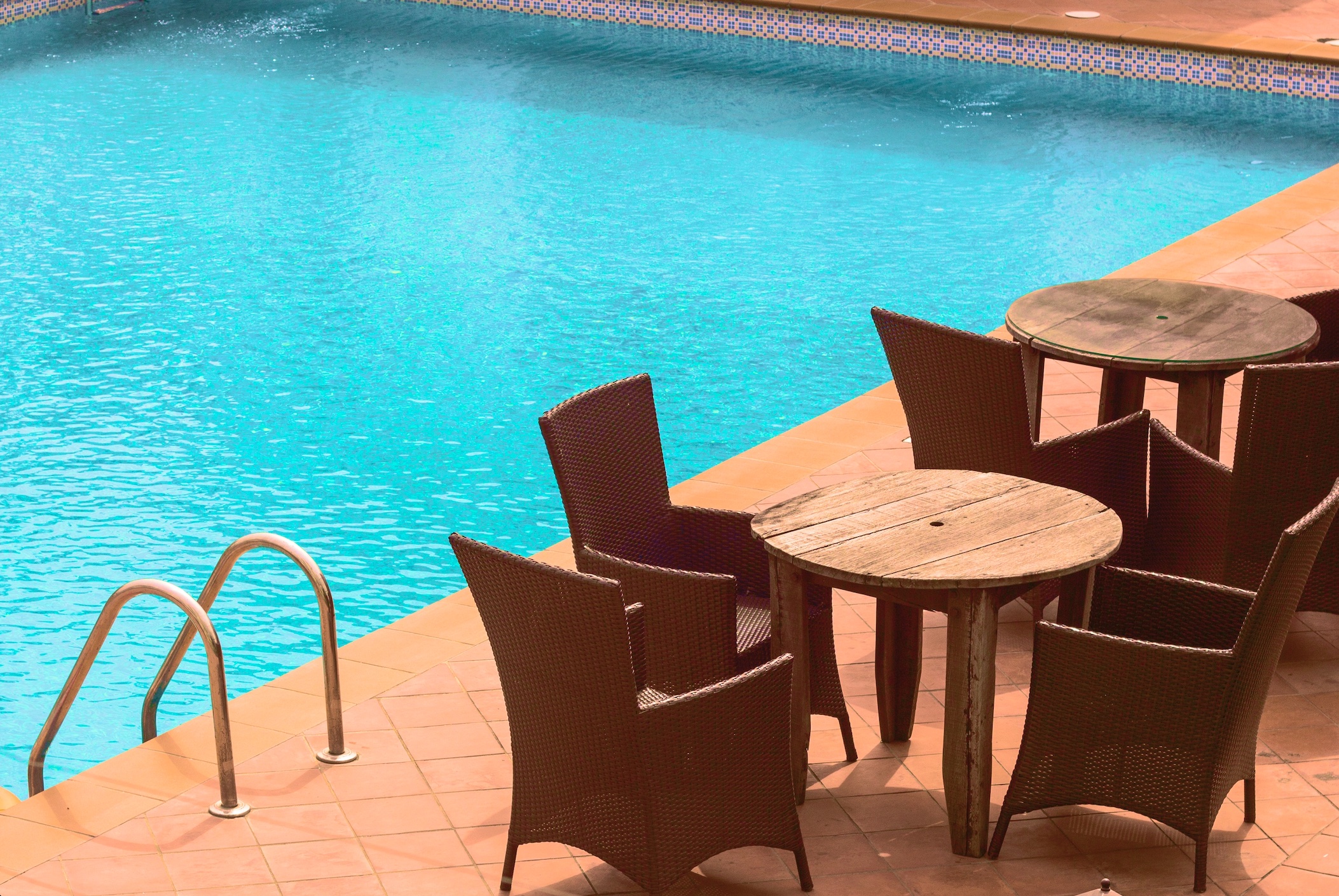
Tables and chairs around a pool; image by Oshomah Abubakar, via Unsplash.com.
According to both the Consumer Product Safety Commission (CPSC) and the National Fire Protection Association (NFPA), these hazards are among the most common causes of injury in homes—and the same logic applies to vacation rentals. The difference? Hotels are regulated. Airbnbs? Not always.
From Prevention to Protection: A Host’s Role in Rental Safety
If you’re an Airbnb host, guest safety isn’t just a hospitality best practice—it’s a layer of protection for your property, your reputation, and your legal standing. Taking the time to implement a thorough vacation rental safety checklist helps prevent accidents before they happen and shows that you take your responsibility seriously.
Installing smoke and carbon monoxide alarm essentials, securing railings, fixing trip hazards, and maintaining pool and hot tub safety for rentals aren’t just helpful—they could be decisive if a guest files a complaint or claim.
What to Do If Something Goes Wrong
Even when you’ve done everything right—walked the space, checked the alarms, avoided hazards—accidents still happen. Maybe it’s a slippery tile, a missing handrail, or an unmarked step in low light. If you or someone in your group gets hurt, knowing what to do after an injury while traveling can make all the difference in recovery, accountability, and potential legal outcomes.
Here’s a step-by-step breakdown to guide you in the moment:
- Get medical attention immediately. Prioritize health first.
Don’t try to tough it out. Whether it’s a twisted ankle or something more serious, get evaluated by a medical professional as soon as possible. - Take photos of the hazard
Document the scene. Snap pictures of the exact area where the injury occurred—whether it’s a broken step, lack of a handrail, or an absent smoke and carbon monoxide alarm essential. - Notify the host and document their response
Let your host know what happened, but keep it professional. Use Airbnb’s messaging system when possible so there’s a written record. If the host responds (or fails to), that communication can be important if a dispute arises. - Report the issue through Airbnb’s Resolution Center
Airbnb encourages guests to report safety concerns or injuries promptly. Filing through their platform helps ensure the incident is logged, and may initiate a review of the property or lead to a refund or coverage under Airbnb’s Host Liability Insurance—depending on the circumstances. - Keep records of all communication, receipts, and medical reports
Create a digital folder. Save your Airbnb messages, medical bills, doctor’s notes, and any receipts tied to the injury—like medication, crutches, or transportation.
Safety Isn’t Guaranteed—But It Can Be Improved
You don’t need to stress over every detail of your rental. But spending a few minutes doing a guest safety walk-through for rentals can help you avoid injuries, legal tangles, and long-lasting consequences.
Airbnb safety is largely in your hands. Airbnb provides some guidance, and hosts are encouraged to follow local regulations—but enforcement is inconsistent. And if you do find yourself injured in a short-term rental, law firms familiar with vacation injuries can help you understand your rights—without the pressure to commit. Sometimes, just knowing where you stand is enough.
Join the conversation!