

Appeals judges allow incarcerated women to pursue claims over alleged mold exposure.
A federal appeals court has allowed parts of a lawsuit over alleged mold exposure at Michigan’s Huron Valley Correctional Facility to move forward, giving incarcerated women another chance to seek legal action over the conditions inside the prison. The U.S. Court of Appeals for the Sixth Circuit issued its decision on October 15. The three-judge panel unanimously rejected immunity claims raised by nine people named in the case, including Michigan Department of Corrections Director Heidi Washington. However, a separate 2-1 decision removed five defendants from the lawsuit because the evidence did not sufficiently show that they knew about the alleged mold and failed to take action.
The women bringing the case claim that mold spread throughout parts of the facility, including bathrooms and air vents. They say the conditions contributed to serious health problems, including seizures and respiratory infections. The lawsuit also accuses prison officials of failing to address the reported problems and attempting to cover up the extent of the mold. The court’s ruling does not settle whether the allegations are true. Instead, it allows the remaining claims to proceed through the legal system, where evidence can be presented and the parties can argue their positions.
Attorney Channing Robinson-Holmes welcomed the decision, saying the case had faced years of delays involving the Michigan Department of Corrections (MDOC). The ruling, according to the attorney, gives the women an opportunity to bring their claims before a court after what they describe as prolonged exposure to mold and poor ventilation. Robinson-Holmes also said the decision could have an effect beyond the Michigan facility. The attorney argued that incarcerated people should be able to bring claims under the Eighth Amendment when prison conditions cause serious harm. That constitutional protection bars cruel and unusual punishment. The legal team said it intends to take the remaining claims to trial and seek a favorable outcome for the women involved.
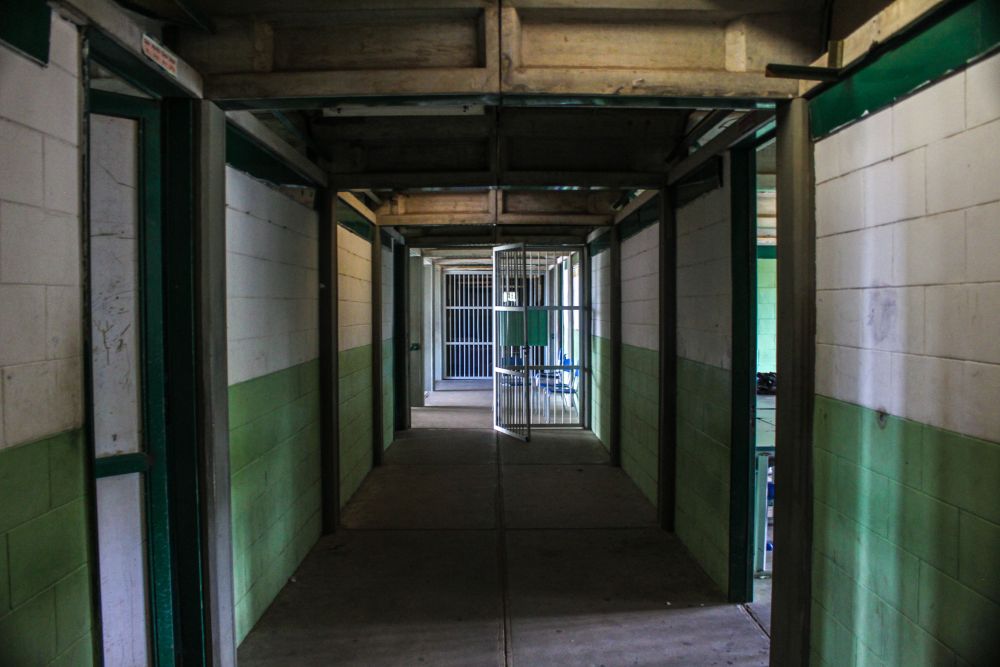
The lawsuit has been part of a wider debate over conditions at the women’s prison. A class action case against the Michigan Department of Corrections (MDOC) was first filed in 2019 but was later dismissed. An amended complaint was subsequently submitted, continuing the legal effort over the alleged exposure. Concern about mold at the facility has also prompted meetings involving community members, former inmates and elected officials. Participants have called on the corrections department and prison leadership to address the reported problems.
Krystal Clark, one of the women named in the lawsuit, took part in one of those meetings remotely. Clark said she had experienced vision problems and paralysis since arriving at the prison. Her account added to concerns raised by people seeking answers about the facility’s indoor conditions and the possible effects on those living there. The MDOC has disputed claims that testing found widespread toxic mold. In 2026, the department said assessments had not identified evidence of systemic black or toxic mold conditions at Huron Valley Correctional Facility.
According to the department, an outside contractor conducted tests in 2022 and again in February and March 2026. Additional testing followed in May. The department said the results showed normal air quality in nearly all areas examined. It also reported that a small number of heating, ventilation and air conditioning vents showed signs of minor growth, which staff later addressed through cleaning. The department’s findings and the women’s allegations present different accounts of the conditions inside the prison. The court’s latest decision does not determine which account is correct, and the remaining claims will need to be addressed as the case proceeds.
The next stage of the case may provide a closer examination of what prison officials knew about the reported mold, what steps were taken to address it, and whether the conditions caused the harm described by the women. For now, the appeals court’s decision allows the remaining legal claims to continue after years of court proceedings.
Sources:
Lawsuit over alleged mold at Michigan’s women’s prison can move forward, appeals court says
Court says suit over Michigan women’s prison mold can proceed
Join the conversation!