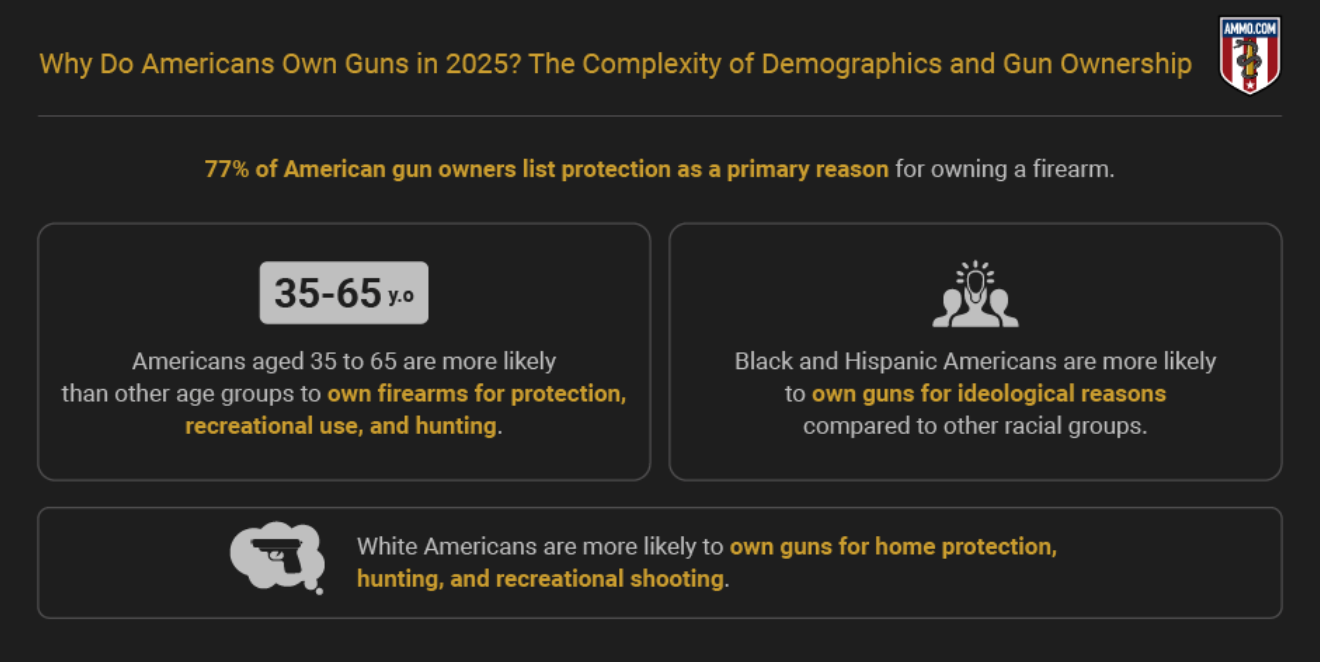
Why Do Americans Own Guns in 2025? The Complexity of Demographics and Gun Ownership
Gun ownership trends reveal significant differences in motivations based on gender, race, and age, with protection being the leading reason across all demographics.


Cassandra McBride is the youngest of four girls, her father’s last hope for a boy; she became her father’s shadow, his hunting buddy, and his fishing friend. With both parents enlisted in the U.S. Navy, she was fortunate enough to spend her youth camping in the Appalachians, hiking the Olympics, and exploring beaches on the East and West coasts. At the age of ten, she took up archery but never once recovered an arrow released from her bow. Her father, in an attempt to keep the family from going poor replacing poorly-shot arrows, took her to the gun range for the first time. His .410 in hand, she began hitting target after target. She excelled with the small shotgun, and it grew into a passion. After passing her hunting certifications at 13, she was gifted her first firearm, an antiquated 16 gauge shotgun. It was weathered, held together only by aging electrical tape, but with it, she began shooting competitively. Over the years, she has enjoyed growing as a marksman and expanding her knowledge of firearms and ammunition. She developed a new passion for writing as a Criminology major in college. She enjoyed researching and analyzing complex data sets and implementing them in real-world applications. After getting married and having children, she fell into published writing as a hobby and has since made it a career. She spends her free time reading classic literature, kayaking, fishing, and spending time on the range with her husband and four children. She continues to grow her knowledge of firearms and ammunition while taking immense pride in educating others on a passion sparked in childhood and maintained in adulthood.
Gun ownership trends reveal significant differences in motivations based on gender, race, and age, with protection being the leading reason across all demographics.
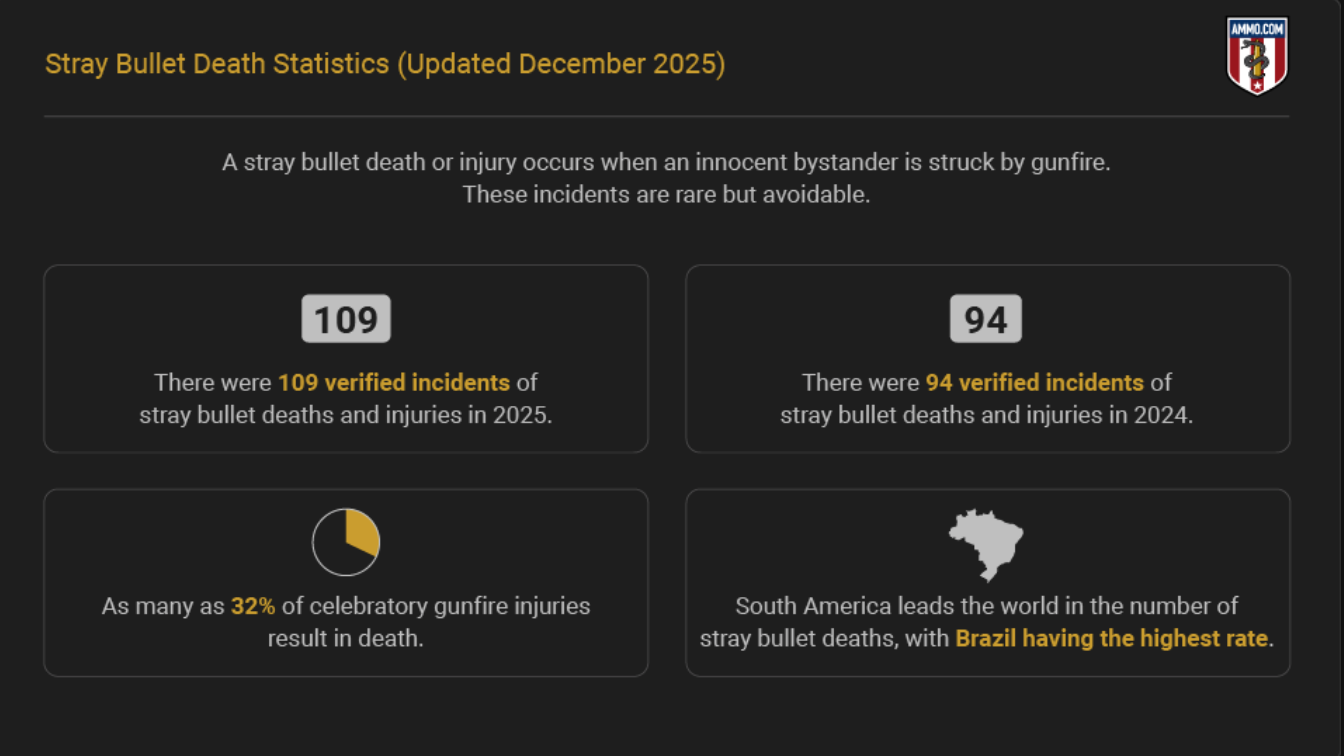
Although stray bullet incidents are likely underrepresented and often misidentified, evidence supports the fact that deaths are rare compared to the number of bullets flying.
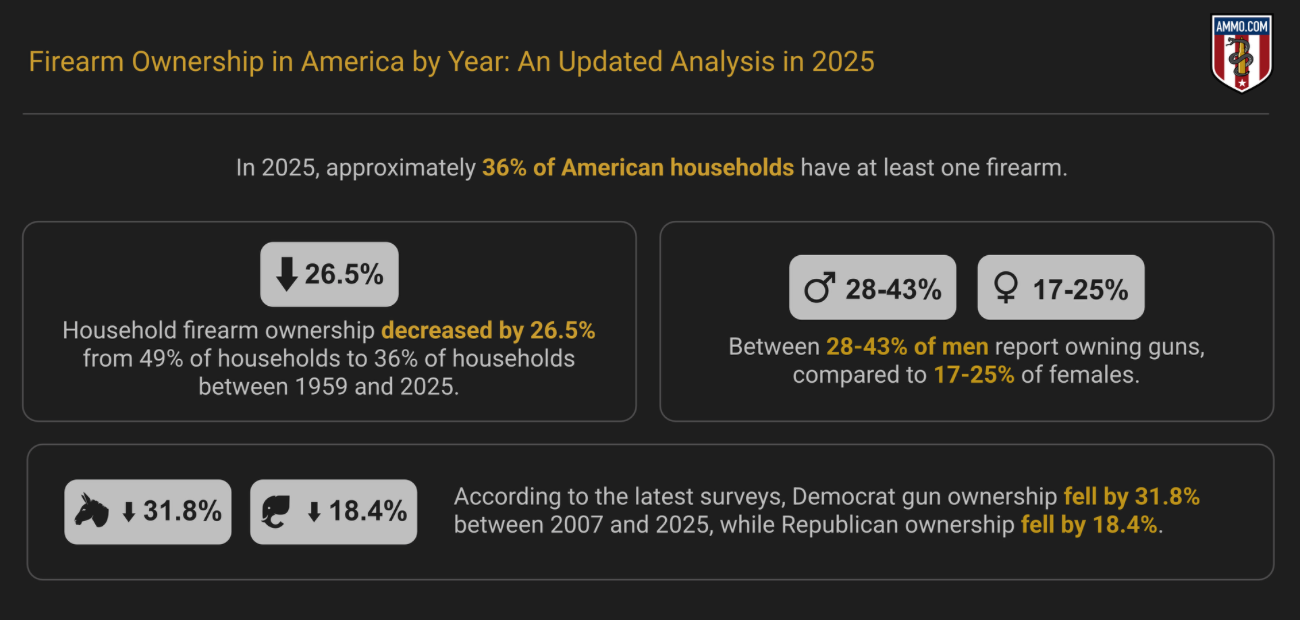
Gun ownership in the U.S. declined in the early 2000s and increased again during the pandemic.
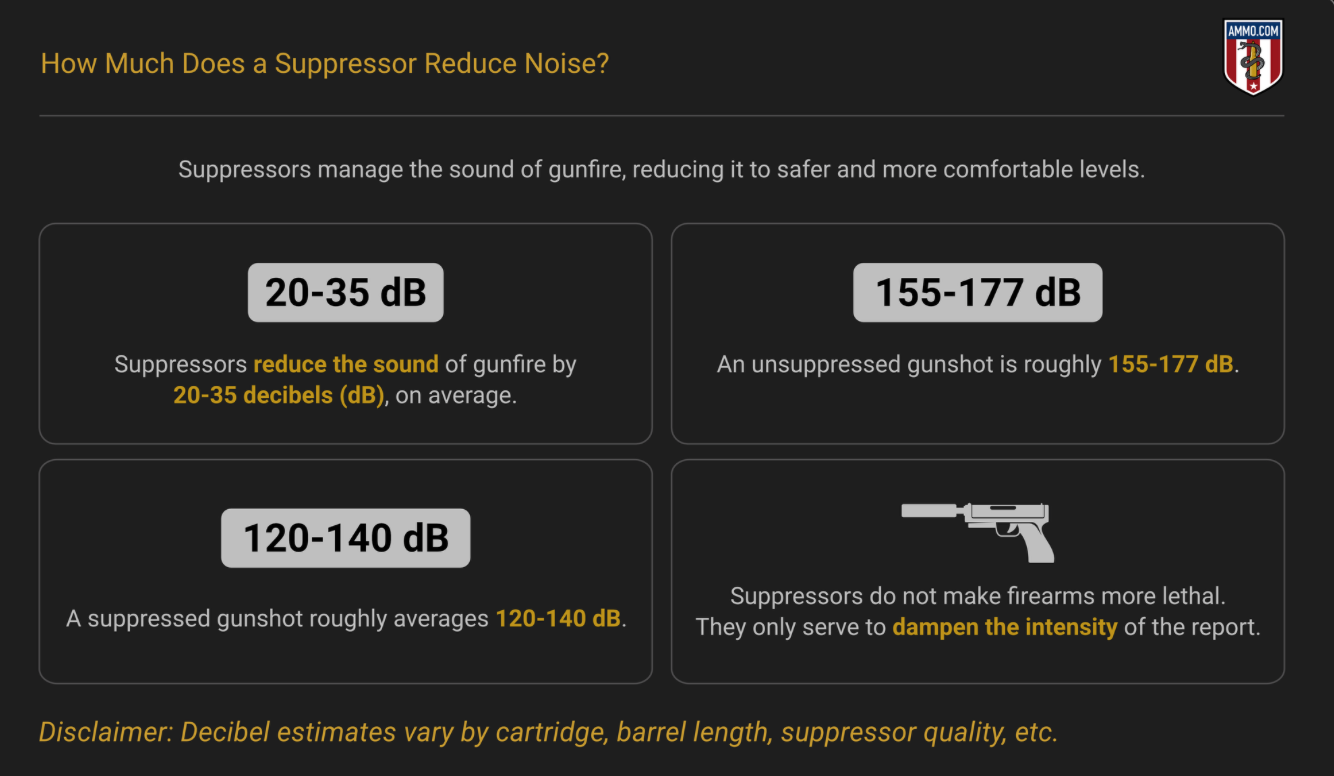
Suppressors are valuable tools for reducing the intensity of gunfire, protecting hearing, and improving range safety.
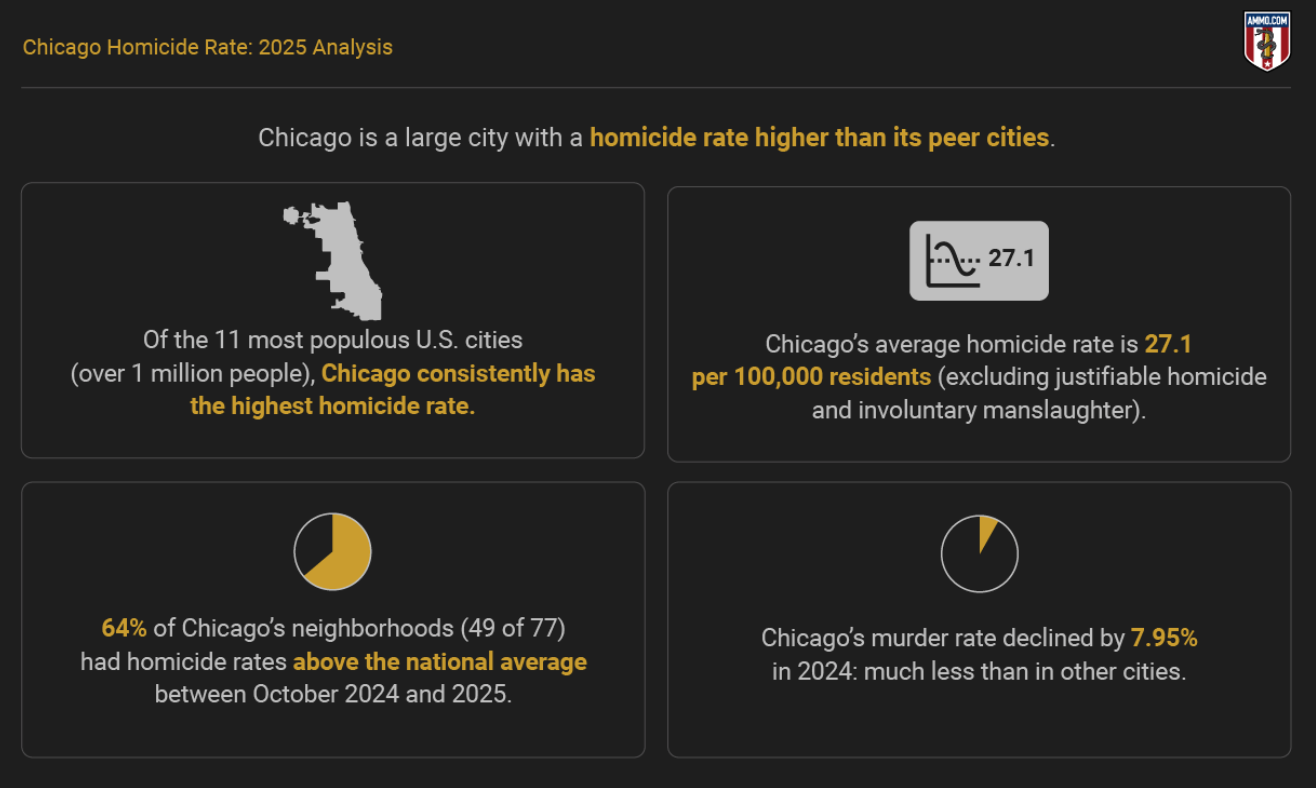
Chicago consistently has more murders than any other city in the United States.
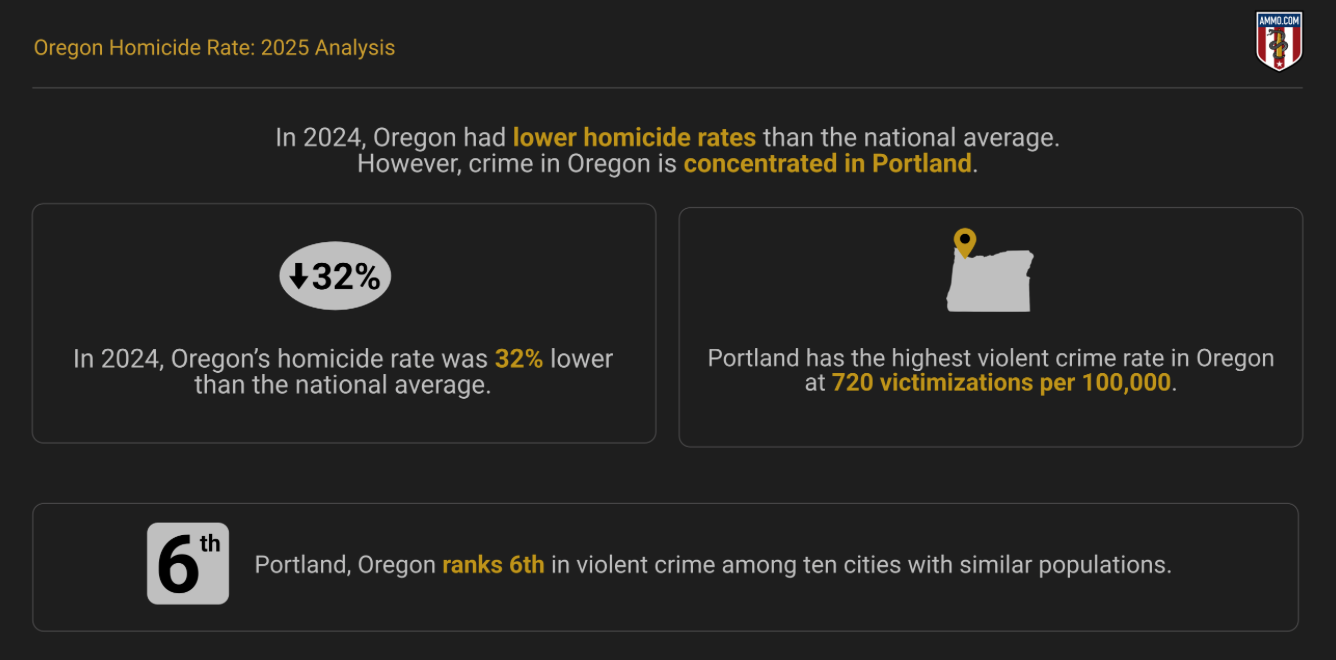
Although Oregon is one of the safest states in the U.S., Portland has a high concentration of violent crime (including homicides).
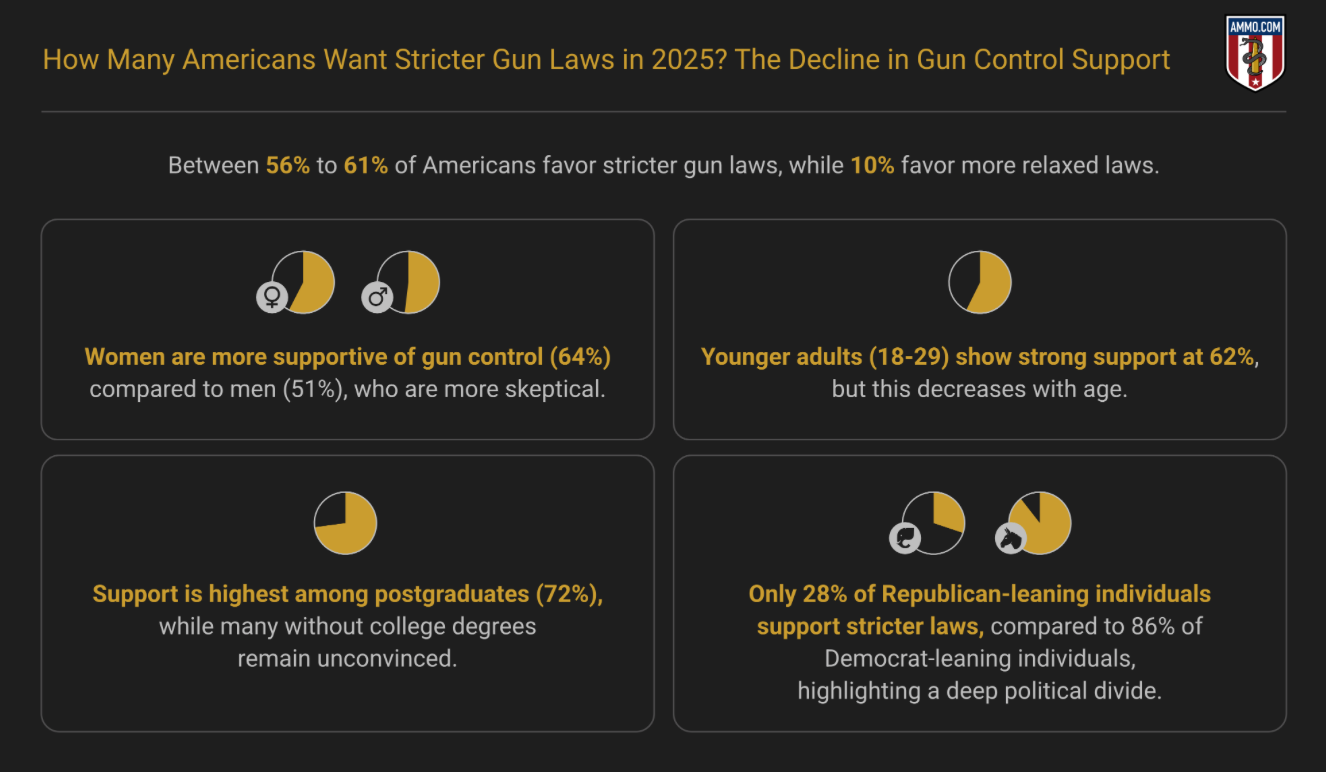
With public opinion becoming more divided and opposition reaching new highs, understanding these dissenting perspectives is essential as the nation navigates this complex and evolving issue.
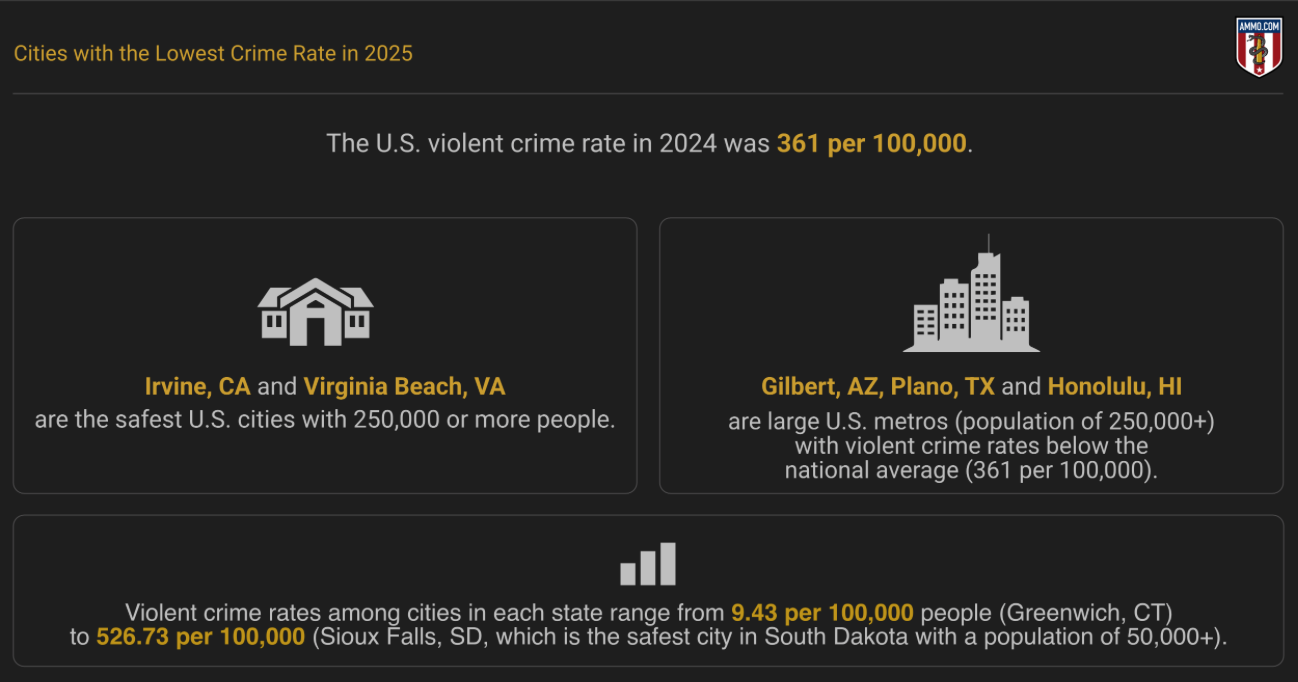
Although many cities did not qualify for this report due to data limitations, the cities listed are among the safest in the U.S. nevertheless.
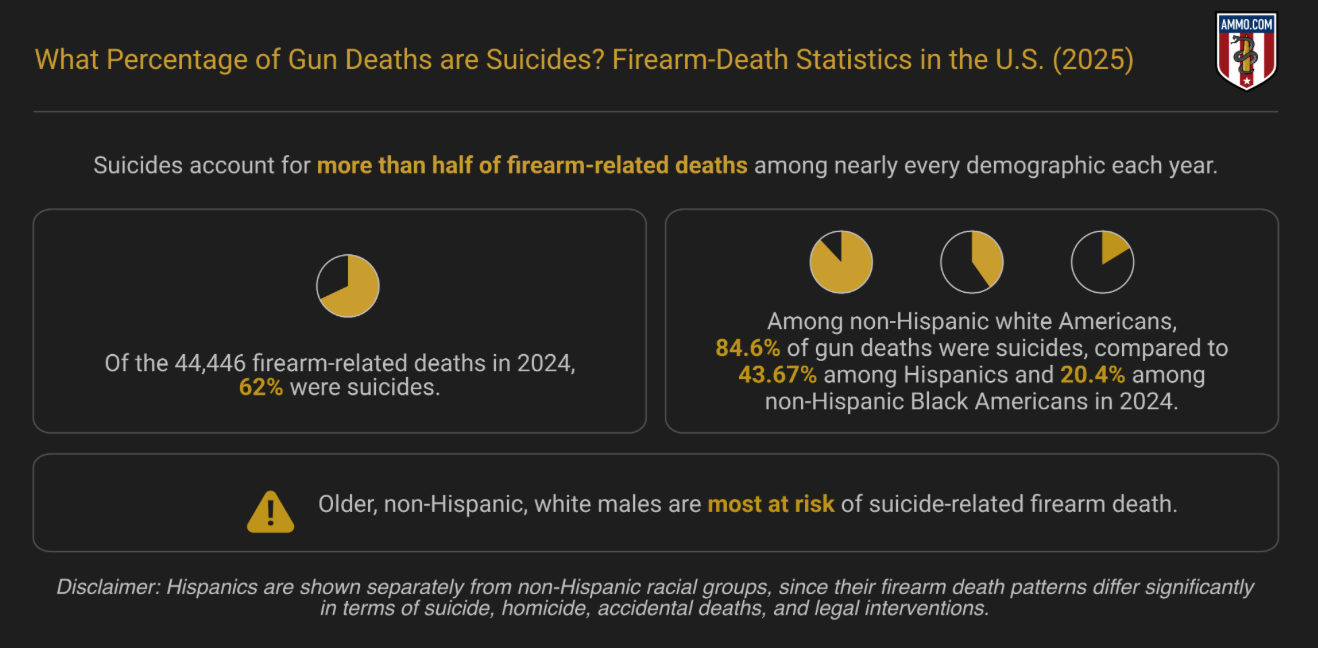
Most gun deaths in the U.S. result from suicides: a trend that declined during COVID due to increased homicides, but which has now increased back to nearly two-thirds of all gun deaths.

Accidental shootings made up 0.004% of all injury-related hospital visits in 2023. Falls accounted for 34%.