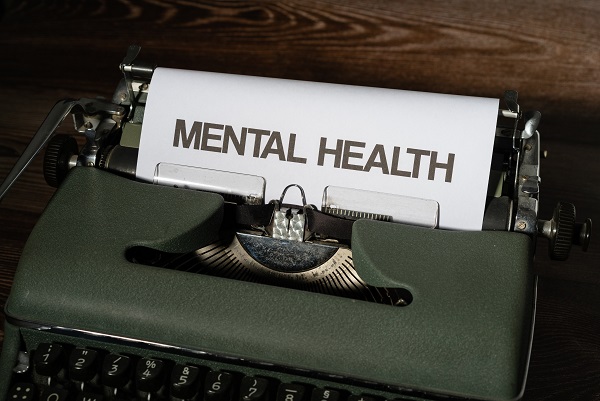
Studies Yield Mixed Results for At-home v. In-patient Psych Care
Latest study on at-home psychiatric care finds that it shouldn’t replace in-patient facility care.


Sara is a credited writer, editor, contributor, and essayist, as well as a novelist and poet with more than two decades of experience in media arts. A seasoned publishing professional, she's worked for newspapers, magazines and book publishers in content digitization, editorial, acquisitions and intellectual property. Sara is a member of the International Association of Writers & Editors, has received numerous awards and has been an invited speaker at a Careers in Publishing & Authorship event at Michigan State University and a Reading and Writing Instructor at Sylvan Learning Center. She is also a mental health therapist, clinical supervisor and entrepreneur, holding an MBA degree with a concentration in Marketing and an MA in Clinical Mental Health Counseling (graduating with a 4.2/4.0 GPA). Additionally, she is a member of Chi Sigma Iota, was on her local chapter's board, and a 2020 recipient of the Donald D. Davis scholarship recognizing social responsibility. Sara is certified in children's book writing, HTML coding and social media marketing. Her nine books can be found on Amazon.
Latest study on at-home psychiatric care finds that it shouldn’t replace in-patient facility care.
Pharmacies are yet again the target of opioid litigation.

When teens and young adults are drinking alone, this could be a predictor of future alcoholism.
Lab owners pay out millions to settle FCA allegations.

Addictive painkillers that are continuously refilled within the first 90 days can be misused by a patient’s family, a new study shows.

Medical technology company settles kickback claims (again).

Fake cryptocurrency provider will be sentenced for fraud scheme in the fall.

Researchers discover that individuals with extremely sensitive pain receptors are more likely to use opioids.

Scientists inject human brain cells into mice to determine how pathological cells impact the brain in the development of Alzheimer’s.

Policymakers should look at environmental injustice in addressing climate change, a study suggests.