
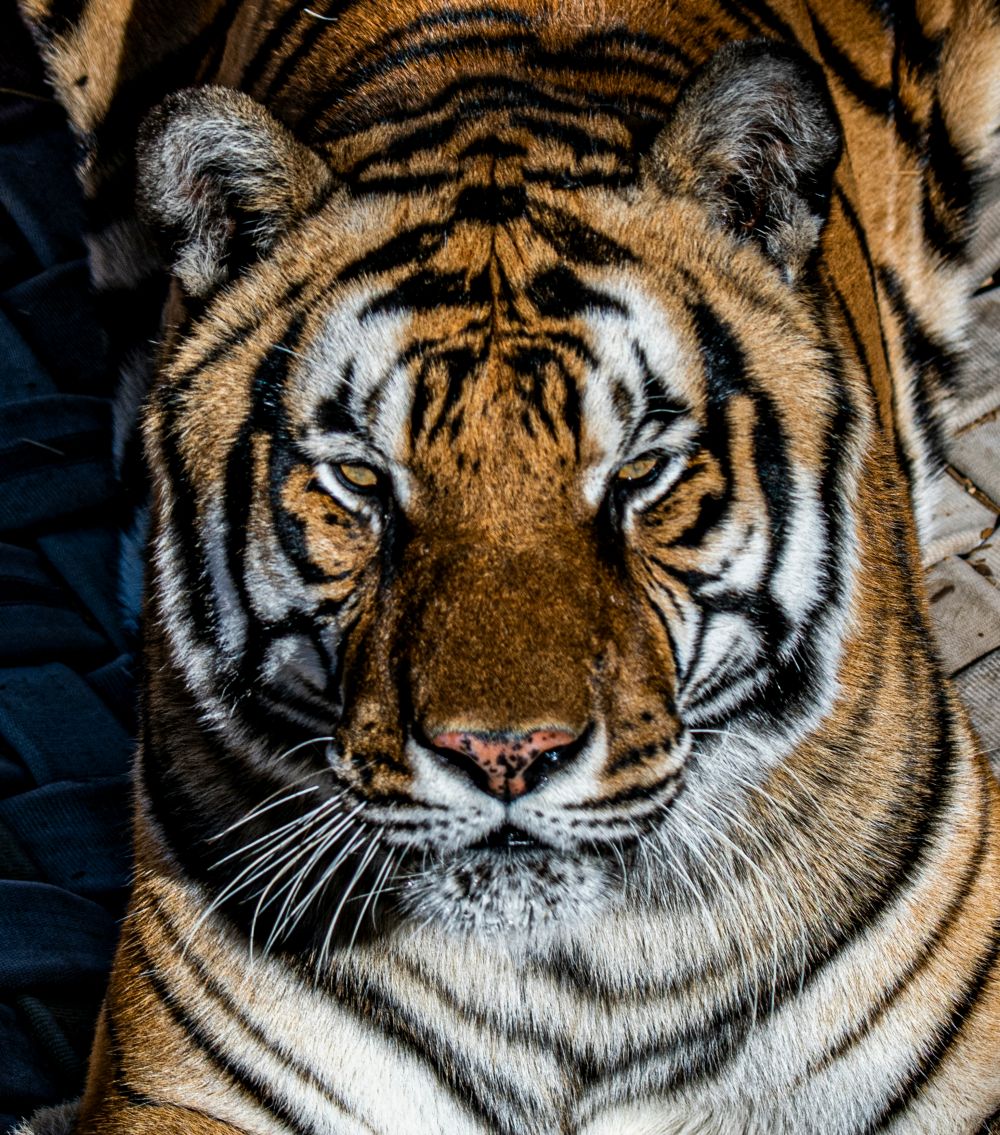
An Anaheim couple received probation and fines after admitting involvement in illegal wildlife shipments.
A California couple has been sentenced to probation and ordered to pay thousands of dollars in fines after admitting to helping traffic protected wildlife between the United States and Vietnam, according to the U.S. Department of Justice (DOJ). Linh Luu and Kevin Le, a married couple from Anaheim, California, each received three years of probation and a $10,000 fine after pleading guilty to violating the federal Lacey Act. The case involved the movement and sale of animal parts from several protected species, including bears, cougars, lions, tigers and rhinoceroses.
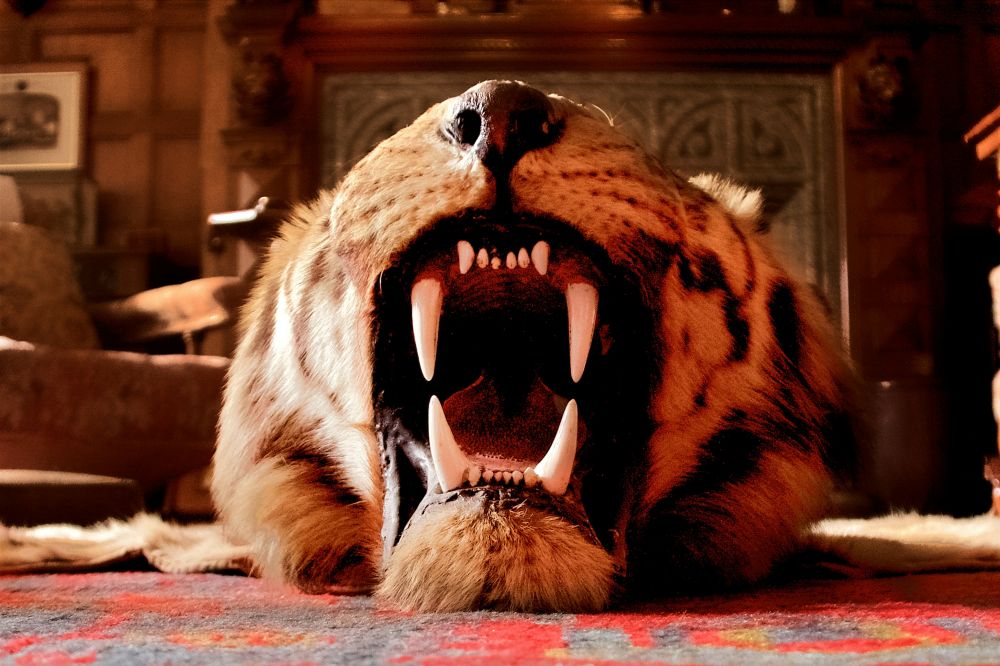
Federal court records show that the couple helped an individual in Vietnam move wildlife products into and out of Oregon between September 2019 and May 2021. During that period, they processed payments totaling $51,100 connected to the transactions. The items included American black bear gallbladders and cougar bones sent to Vietnam, along with lion teeth, pieces of black and white rhinoceros horns, and a tiger pelt brought into Oregon.
Investigators said the couple played a role in arranging payments and transactions involving the animal parts. A government sentencing document described a December 2020 meeting between Luu, Le and an undercover federal agent in a parking lot. During the meeting, the couple accepted $12,000 in cash as an initial payment for part of a rhinoceros horn. The discussion also included ways to avoid U.S. banking rules that might expose illegal financial activity. Later, Luu and Le each received electronic payments of nearly $5,000 for the horn segment. The piece was shipped to Oregon disguised as a household decoration, according to the government’s court submission. Prosecutors said the transaction was intended in part to build confidence for larger deals in the future.
The protected wildlife parts involved species covered by the Convention on International Trade in Endangered Species of Wild Fauna and Flora (CITES). The international agreement includes the United States and Vietnam among more than 180 participating governments. It establishes rules for trading protected species and restricts commercial transactions involving listed animals and their parts without the required permits. Authorities said the couple did not obtain the permits needed for the shipments.
The case involved animals protected under different laws and international agreements. American black bears and cougars live in Oregon, and parts from these animals are sometimes sought for use in traditional Asian medicine. Lions, tigers and both black and white rhinoceroses also receive protections under the federal Endangered Species Act. The Lacey Act, enacted in 1900, is one of the oldest federal laws addressing wildlife trafficking. It prohibits certain activities involving animals, fish and plants taken, transported or traded in violation of applicable laws. The law can also apply when wildlife products are moved across borders in violation of foreign or domestic regulations.
The investigation was led by the U.S. Fish and Wildlife Service’s Office of Law Enforcement, with support from Homeland Security Investigations and Oregon State Police. Federal prosecutors from the Justice Department’s Environment and Natural Resources Division and the U.S. Attorney’s Office for the District of Oregon handled the case. The outcome of the case means both defendants will serve probation rather than prison under the sentences described in the department’s announcement, while each must also pay the $10,000 fine.
Sources:
California Couple Sentenced for Trafficking Protected Wildlife
California couple sentenced for smuggling rhino horn, tiger pelt between Oregon and Vietnam
Join the conversation!