
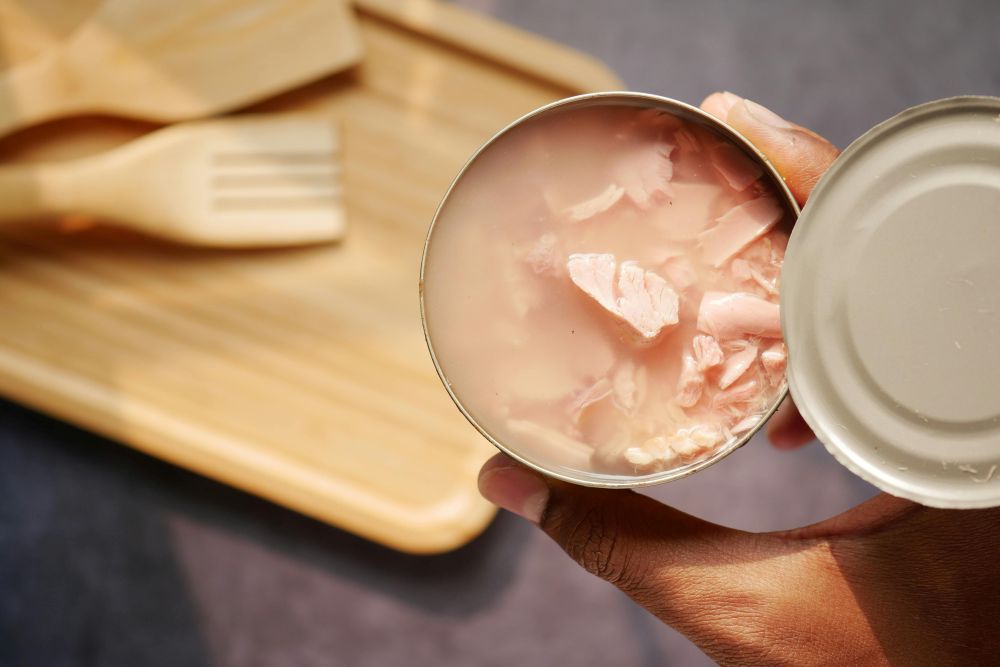
FDA warns consumers after recalled canned tuna mistakenly returned to stores.
A recent food safety alert has renewed concern about canned tuna products that may pose a serious health risk. Federal regulators announced that a batch canned meat linked to an earlier tuna recall was mistakenly sent back into stores, leading to a second recall across several states. The issue involves canned tuna sold under the Genova brand that may be unsafe due to a packaging problem that could allow harmful bacteria to grow inside the can.
The Food and Drug Administration said the source of the tuna recall problem traces back to a manufacturing defect in pull-tab lids used on certain cans. These lids may not seal properly, even though the cans appear normal. When a seal fails, it can create the right conditions for clostridium botulinum to grow. This bacterium produces a toxin that causes botulism, a rare but very dangerous form of food poisoning that can lead to paralysis or death if not treated quickly.
The tuna recall was first announced in early 2025 after the packaging flaw was discovered. At that time, the affected products were pulled from shelves and placed under quarantine. However, a third-party distributor later shipped some of that quarantined tuna back into stores by mistake. Because of that error, consumers in multiple states may have purchased the recalled cans without knowing there was a problem.
The recalled tuna was sold at several large grocery chains. Stores affected include Meijer locations in Illinois, Indiana, Kentucky, Michigan, Ohio, and Wisconsin. Giant Foods stores in Maryland and Virginia were also involved, along with Safeway, Albertsons, Vons, and Pavilions locations in California. The products were sold as Genova Yellowfin Tuna in Olive Oil and Genova Yellowfin Tuna in Extra Virgin Olive Oil with Sea Salt.
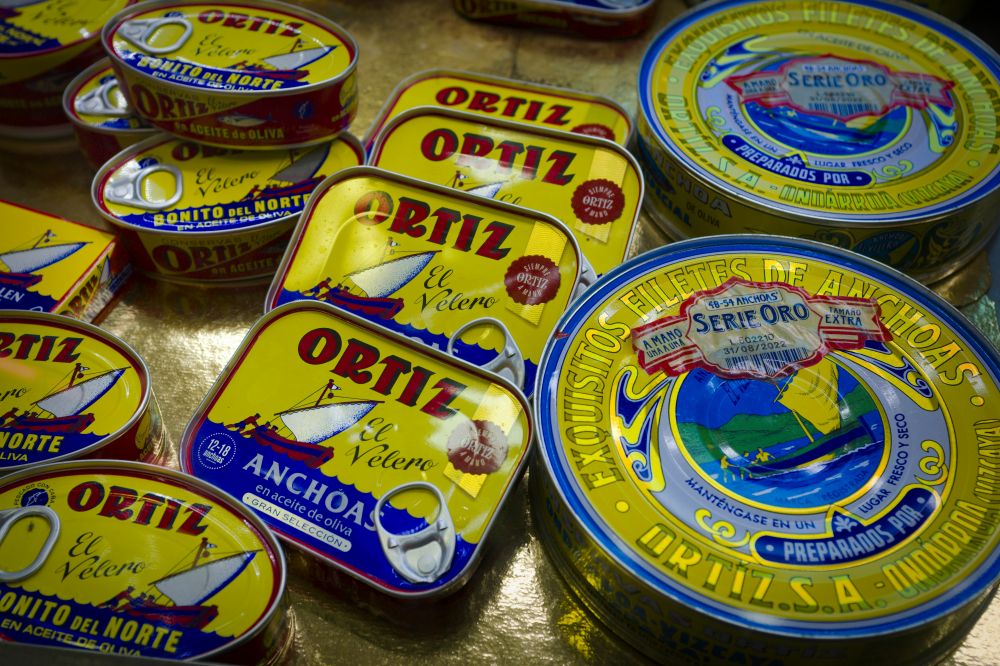
Specific product details were released to help shoppers check their pantries. The recalled items include five-ounce cans sold individually or in four-packs, with certain UPC codes, can codes, and best-by dates in January 2028. Federal officials stressed that people should rely on the printed codes rather than the look or smell of the tuna, since botulism contamination does not always cause visible spoilage or a bad odor.
Health officials warned consumers not to eat the recalled tuna under any circumstances. Even a small taste could be dangerous. Symptoms of botulism can include blurred vision, drooping eyelids, slurred speech, trouble swallowing, muscle weakness, and difficulty breathing. These symptoms can appear within hours or days after eating contaminated food. Anyone who feels unwell after eating canned tuna should seek medical care right away, as early treatment can be lifesaving.
Consumers who find the recalled tuna in their homes have several options. The cans can be returned to the store where they were purchased for a full refund. They can also be thrown away in a way that prevents people or animals from coming into contact with the contents. The company involved has also offered retrieval kits and replacement coupons for affected customers.
Food safety experts say this incident is a reminder of why recalls should always be taken seriously. Even shelf-stable foods like canned tuna can become dangerous when packaging fails. Federal agencies continue to monitor the situation and urge shoppers to stay informed about recalls to protect their health and the health of their families.
Sources:
Canned tuna recalled over botulism risk in 9 states, according to FDA
Recalled tuna accidently shipped to stores in 9 states: How to know if your cans are impacted
Join the conversation!