
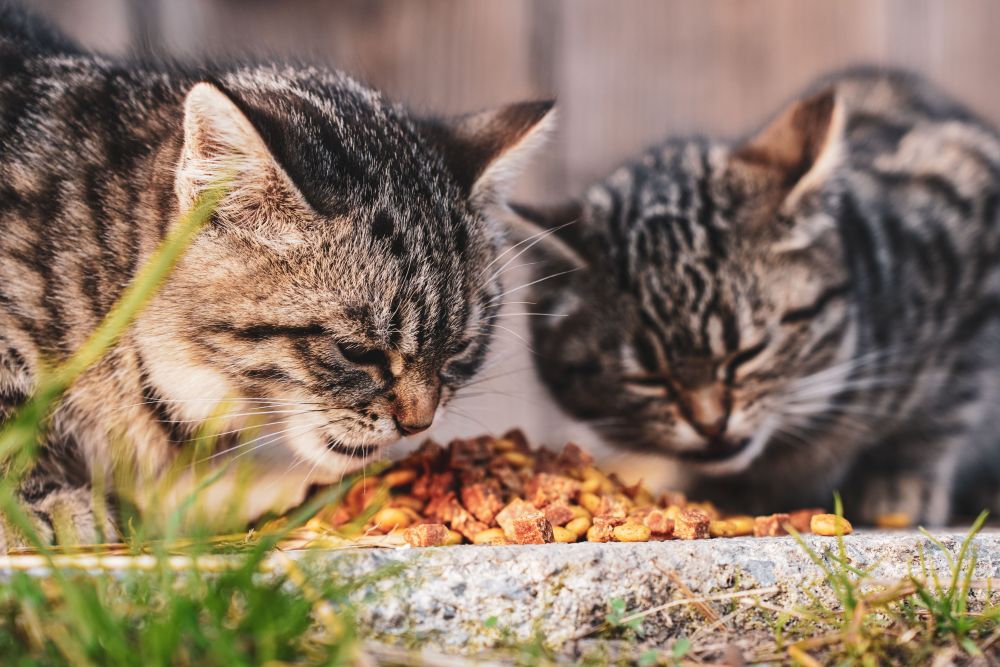
Testing found several unwanted chemicals across many popular cat foods.
A new investigation into cat food has found traces of several unwanted chemicals in nearly every product tested, raising questions about what cats may be exposed to when they eat the same food day after day. The testing was conducted by the Clean Label Project, a Colorado nonprofit group that examines consumer products for unwanted substances. The group tested 100 popular cat foods from 62 brands for more than 122 chemicals and other substances. The products included wet, dry, air-dried and freeze-dried foods. Lead was found in 99% of the samples, while cadmium was detected in 96% and arsenic in 94%. The testing also found mercury, pesticides, glyphosate and phthalates in some of the foods.
The findings are especially concerning because cats often eat the same food for long periods of time and tend to eat more than once daily. Unlike people, who may eat many different foods during a week, a cat may receive the same brand and recipe every day for years. That can result in repeated exposure to small amounts of unwanted substances, which can cause serious issues over time. Molly Hamilton, executive director of the Clean Label Project, said heavy metals can build up in the body over time. She pointed to kidney disease as one concern because the kidneys help remove harmful substances from the body.
The investigation found differences between types of cat food. Dry food had about three times as much lead as wet or air-dried products. Fish and seafood foods had much higher mercury and cadmium levels than foods made with other types of meat. Wet foods made with seafood had nearly 28 times more mercury than wet foods made with other meats, especially poultry.
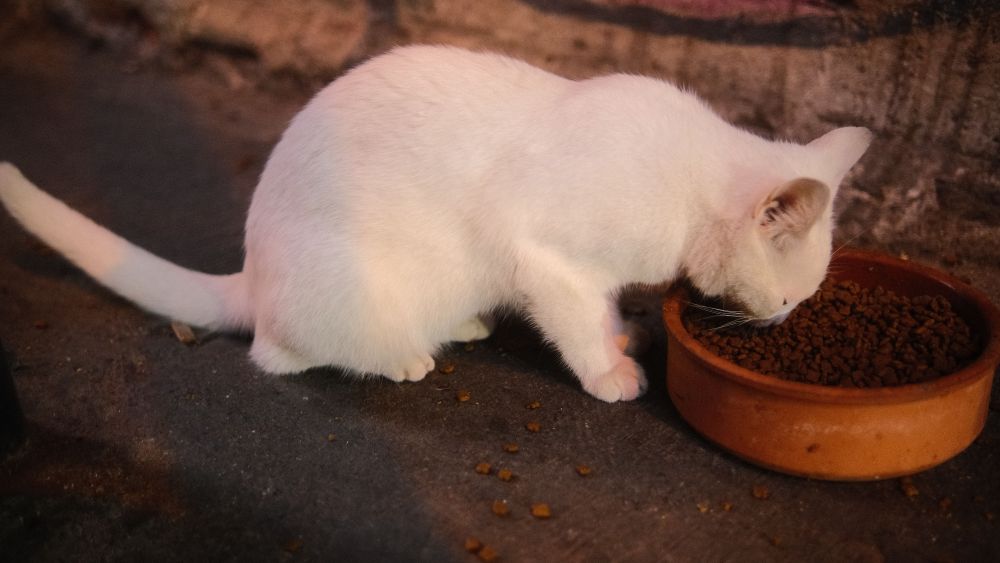
Mercury can collect in fish tissue, too, which can lead to greater amounts in foods made from fish. Healthy agencies have long warned pregnant women to steer clear of certain types of fish as this can adversely affect their health and that of their unborn children. Mercury exposure can affect animals in the same way as well. The testing results do not automatically mean that every seafood-based cat food was unsafe. Some fish-based products had low levels of the substances tested, and several met the Clean Label Project’s standards.
Chicken-based foods had lower mercury and cadmium levels than fish-based foods, but, unfortunately, they still showed higher levels of lead and some herbicides. The results suggest that the type of meat alone does not tell the full story about what may be found in a particular product. Glyphosate, a widely used weed killer, was detected in 37% of the cat foods tested. Products containing more plant ingredients among the first 10 ingredients tended to have higher levels of glyphosate.
The study also found DEHP, a chemical used in some plastics, in about half of the products. The highest amounts were found in some canned and pouch foods. Researchers said contact with plastic equipment or materials during processing could be one possible source.
The Pet Food Institute, which represents cat food manufacturers, said companies have food safety programs that include supplier checks, testing, tracking of ingredients and other controls. The group said cat owners should have confidence that pet foods are made under food safety and quality rules.
For cat owners concerned about exposure, researchers suggest asking food manufacturers about their testing practices and how often finished products are checked. The first ingredient on a label may not tell the entire story, since ingredients are listed by weight and manufacturers do not always state which parts of an animal were used. Overall, the report raises some serious questions about the substances that can enter pet food during farming, processing and packaging, and whether more testing and tighter controls are needed to better protect cats that depend on these products every day.
Sources:
Cat food investigation finds heavy metals, pesticides and plastic chemicals
New Cat Food Study Finds Heavy Metals Widespread and Major Differences by Protein Source
Join the conversation!