
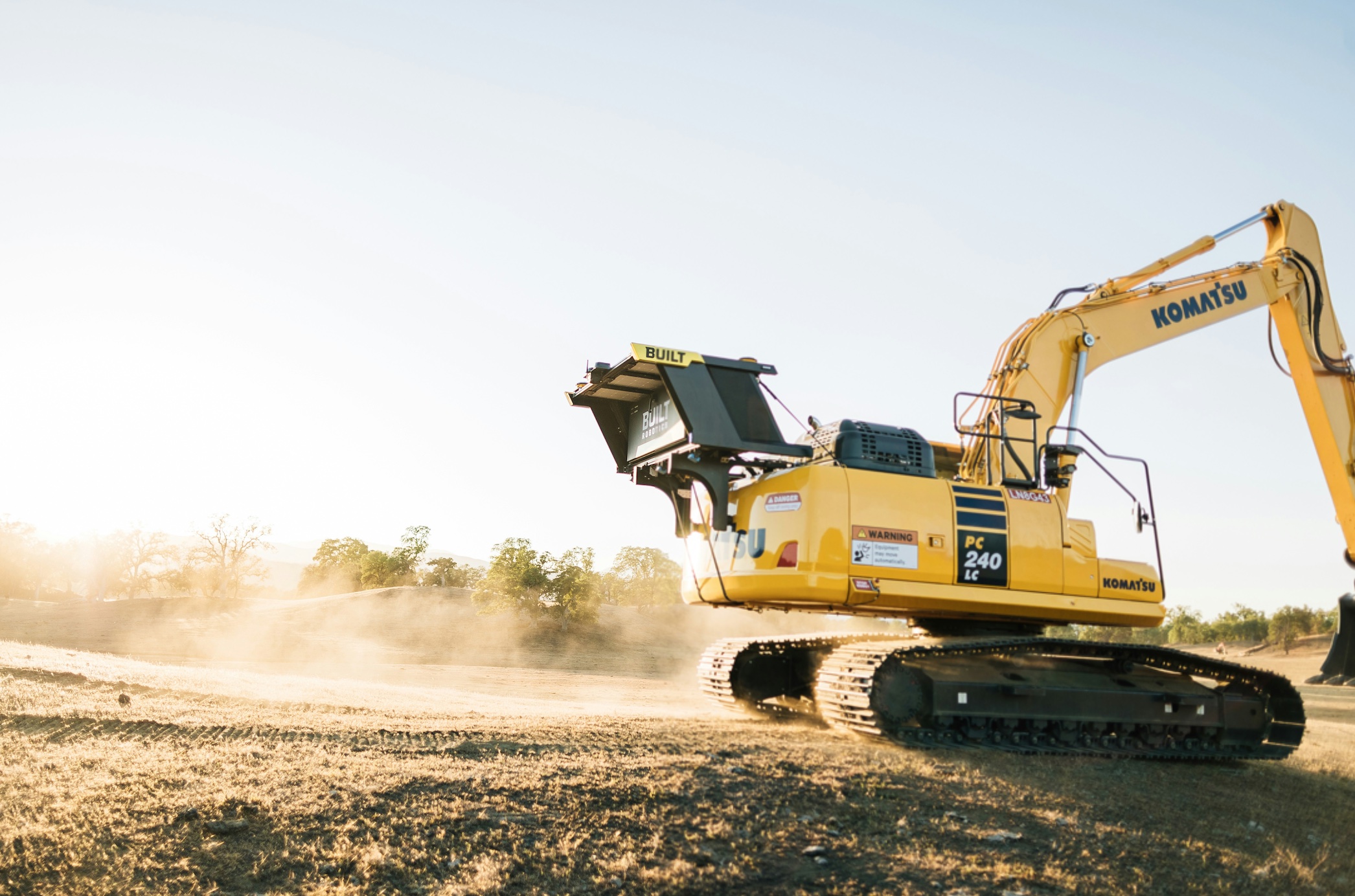
Complete proper training about machine use. Do the right daily inspections. Wear proper gear daily.
Construction work is tough. You show up before the sun does. You sweat through long hours. You do jobs most people wouldn’t touch. And yes, your strength matters. But smarts and caution matter just as much. Especially when heavy machinery is involved. The floor can get rowdy fast when those start moving. One wrong step, and an accident happens in a blink.
Heavy machinery can turn dangerous fast. It’s one of the most common types of injuries in construction zones. Cranes, forklifts, loaders. All of them are risky. You have to protect yourself. Here’s how to stay safe around heavy machinery at work.
Always Complete Proper Training
All heavy machines require skill to operate safely. Many accidents happen when someone underestimates a machine’s complexity. Proper training provides you with knowledge of these machines. It ensures you know exactly what you’re doing each time you use them.
Study one machine at a time. Learn the basics of crane operation. Understand how a loader reacts when it’s full. Practice signaling with your crew. Try moving equipment safely in a controlled space. Train on any machine you’ll touch on site. Muscle memory kicks in when the work gets hectic. You’ll respond instinctively. That keeps you and everyone around you safe.
Perform Morning Inspections
Construction machines are unpredictable. A minor problem in the morning can turn into a major accident by afternoon. That’s why you have to check every machine. Do it at the start of your shift. Morning inspections set the tone for a smooth day. Catch issues early, and you’ll prevent dangerous surprises later.
Walk around equipment before it starts moving. Look at tires. Double-check the controls and safety devices. Listen for unusual sounds. Test brakes and any moving parts.
Document anything that seems off. Flag anything suspicious right away. Taking the time in the morning keeps you and your crew safe all day. You avoid downtime. Most importantly, you stay confident that the floor won’t throw any nasty surprises later.
Wear the Right PPE
At a construction site, sparks fly. Debris falls. Everywhere is a risk. Proper protection prevents these hazards from becoming injuries. That protection comes in the form of PPE.
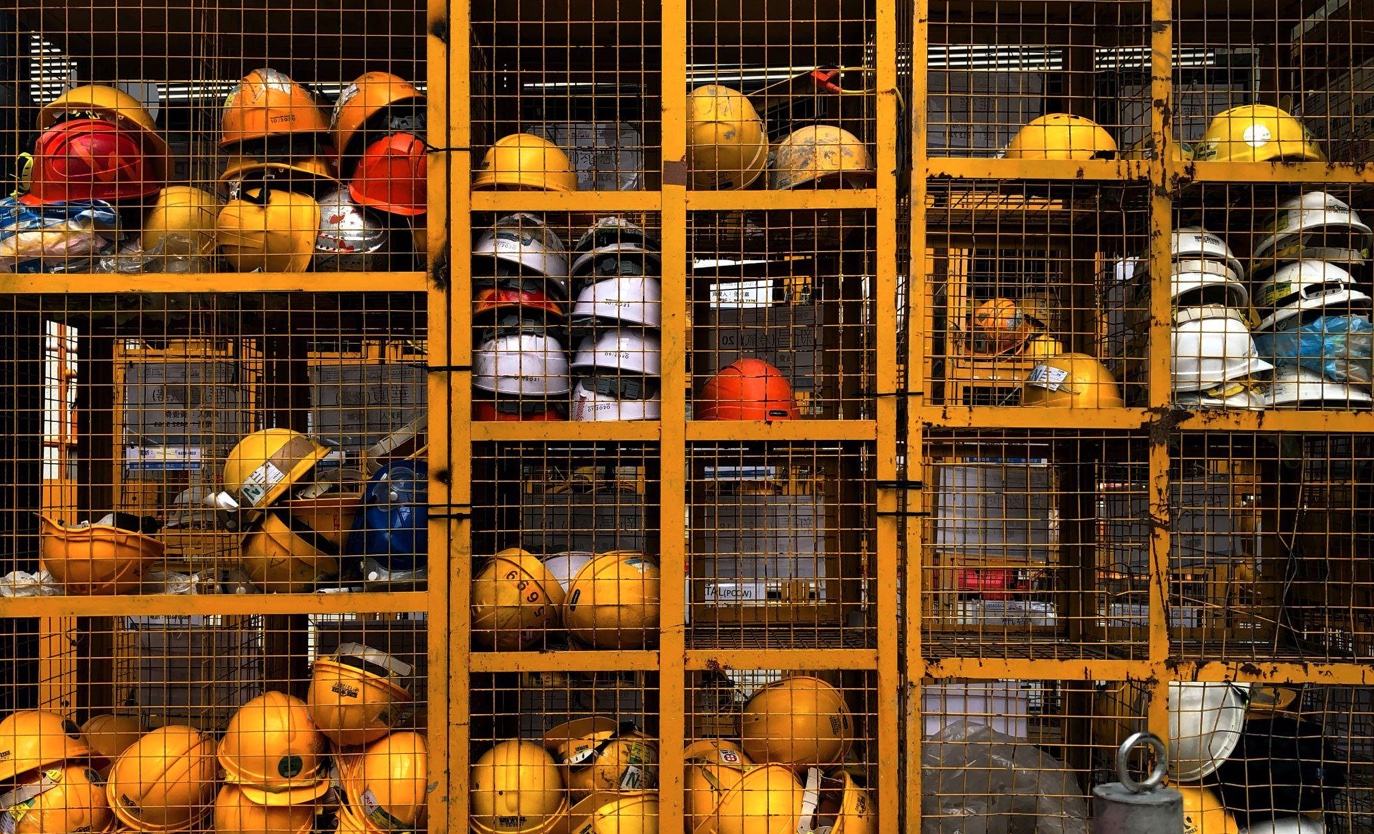
Put on a hard hat before stepping near machines. Eye protection guards against flying particles. Gloves protect your hands. Hearing protection keeps engine noise from damaging your ears. Proper PPE gives you confidence. You can move quickly. Safely, too. Hazards shrink when your armor is on.
Avoid Loose Clothing
On smaller projects, it’s tempting to stay lax on safety rules. Maybe you’re working on a home improvement project. Or a quick repair. Because it’s not a major development, you think a loose shirt won’t matter. But loose clothing can get caught in a machine’s spinning parts. A snag can pull you off balance. Or trap a hand. That turns a simple task into a serious injury.
So, wear snug but comfortable clothing. Tuck in your shirt. Roll up the sleeves. Wear pants that fit well. Gloves should sit tight, too. Always check your outfit before stepping near any machine. One lapse can become dangerous when equipment is involved. Treat every task as if it could get hazardous. And let your clothes reflect it.
Follow LOTO Procedures
Lockout/Tagout procedures protect workers from hazardous energy releases. LOTO keeps machines from starting when you’re working on them. It’s not optional. Applying the lock and tagging it with your name prevents accidents. It signals to everyone that this machine is off-limits.
Confirm that all stored energy is contained before touching anything. Check twice if needed. Follow the procedure every single time. Remove the lock only when the machine is fully safe. These steps stop machines from moving unexpectedly. You maintain control over the equipment. The work stays precise and safe under your command.
Maintain a Safe Distance
When you’re not the one operating the machine, stay back. This is your first line of defense. Heavy equipment swings. It lifts. Sometimes, it backs up without warning. Standing too close puts you in the danger zone. Keep a safe distance from moving machinery. Let operators handle their equipment without interference.
Observe the operators. Anticipate how their machines move. Mark mental boundaries for swing zones. Note their blind spots, too. Make sure they see you so they can avoid you if need be.
Distance also gives you control. It gives you extra reaction time if something goes wrong. You avoid collisions. Operators work confidently knowing you’re clear of danger. The floor becomes safer for everyone.
Report Malfunctions Immediately
Machines can malfunction. Operational issues might show up. Ignoring them doesn’t make them go away. Reporting machine issues is part of being a pro on the site. Speak up the moment you notice anything. It could be a leak. A strange noise. Maybe an unusual movement that almost hurt someone.
Document the problem. Include the time. The machine. Exactly what you observed. If your employer fails to fix it and it happens again, seek legal counsel.
For example, say you’re working on a project in Chicago. You report risky observations about a certain machine. If your employer does nothing about it and it later causes an accident where you’re hurt, call an Illinois work injury lawyer to ensure you’re protected. They’ll push to hold your employer accountable.
Conclusion
Even the toughest construction workers can get caught off guard by heavy machinery. But not you. You know to be careful by following the tips above. So, complete proper training about machine use. Do the right daily inspections. Wear proper gear daily.
Treat these as non-negotiable safety rules, and you’ll avoid serious accidents with machines. Machines are powerful. But they don’t own you. By being extra careful, you end the day with all fingers intact.
Join the conversation!