
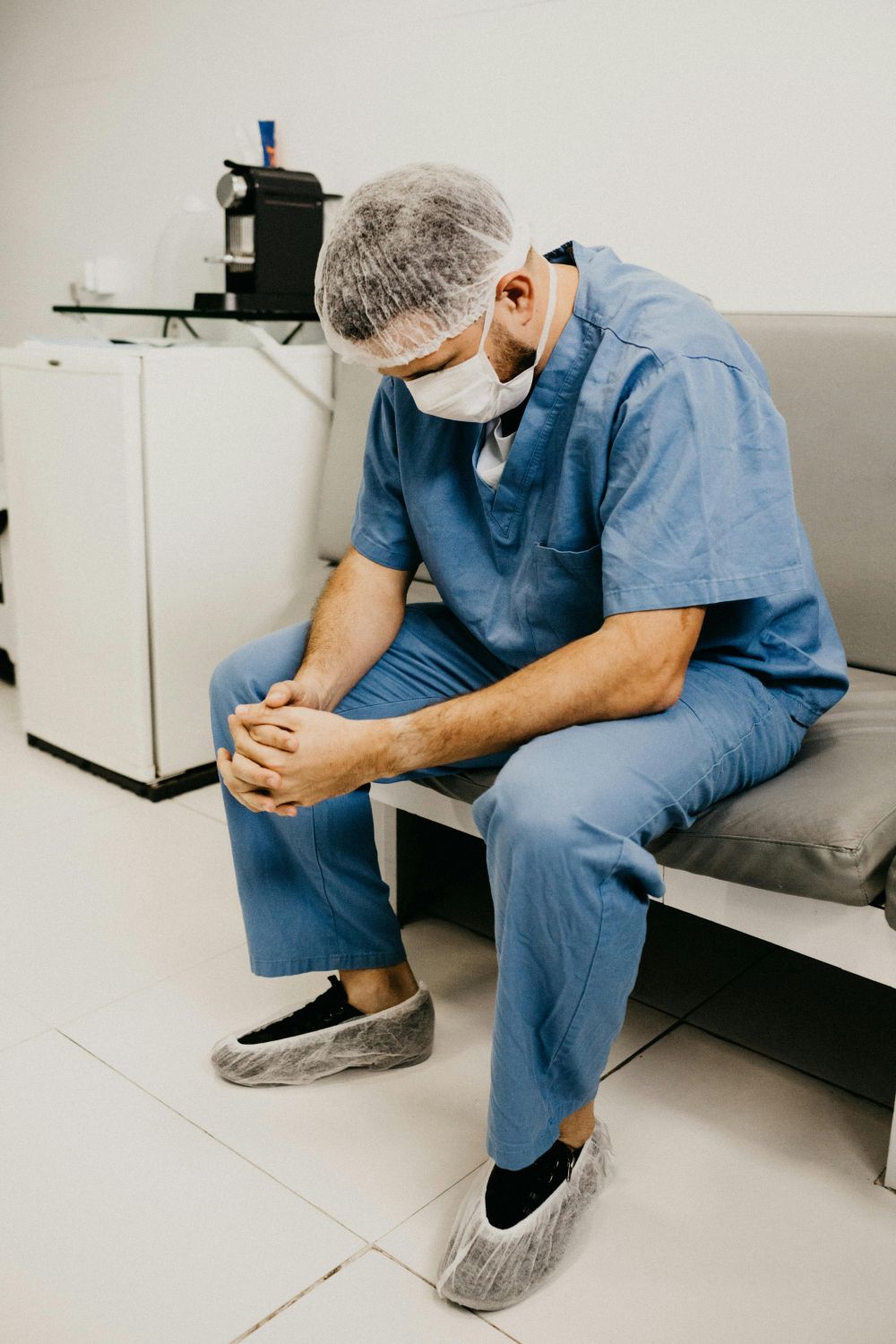
Medical negligence is not just a personal tragedy. It’s a reflection of a larger system that sometimes fails the very people it’s meant to protect.
When a loved one suffers or dies because of a medical mistake, families are left with more than just grief. They are often left with unanswered questions. How could this happen? Who is responsible? And perhaps most importantly—could it have been prevented?
In South Carolina and across the country, the answer is often yes. Medical negligence is a leading cause of preventable injury and death in the United States, and many of these incidents are not the result of a single bad decision. Instead, they stem from system failures within hospitals, clinics, and healthcare systems that prioritize speed, profits, or outdated procedures over patient safety.
What Is Medical Negligence?
Medical negligence, also known as medical malpractice, occurs when a healthcare provider fails to meet the accepted standard of care, and a patient is harmed as a result. This could mean a misdiagnosis, a surgical error, a medication mistake, or even a delay in treatment.
In many cases, people assume that one doctor or nurse made a poor judgment call. But that’s not the full story. In reality, the harm often results from institutional breakdowns—errors in communication, staffing shortages, outdated equipment, or policies that encourage rushed or careless treatment.
System Failures: The Hidden Side of Medical Errors
Here are just a few examples of how larger system issues contribute to medical negligence:
- Understaffed hospitals: Many South Carolina hospitals struggle with high patient-to-staff ratios. Nurses and doctors are often stretched thin, increasing the risk of missed warning signs or delayed treatment.
- Poor communication between departments: A patient may be transferred from the emergency room to surgery without their records properly updated. A lab result may be lost or ignored. These communication gaps can have deadly consequences.
- Lack of accountability: In some cases, hospital leadership may fail to address repeated complaints or patterns of error. Without systems in place to monitor and correct unsafe practices, the same mistakes continue.
- Profit-driven care: Some private healthcare systems push providers to see as many patients as possible, cutting corners to maintain profit margins. This pressure can lead to rushed care, missed details, and preventable harm.
These are not just theoretical concerns. Families across South Carolina have suffered tragic outcomes due to preventable errors rooted in broken systems. And the burden of those errors often falls on patients who can least afford it—elderly individuals, low-income families, and people without access to second opinions or legal support.
Real Impact on South Carolina Families
Medical errors can leave victims with lifelong complications—from brain injuries and amputations to permanent disability. In the worst cases, patients die from mistakes that should never have happened. But the damage doesn’t stop there.
Families are often left with staggering medical bills, lost income, and emotional trauma. Parents may become full-time caregivers. Children may grow up without a parent due to a botched procedure or misdiagnosed illness. And because the system rarely holds itself accountable, many victims never get the answers they deserve.
In rural areas of South Carolina, where hospitals are underfunded or understaffed, these problems are even more pronounced. Limited access to specialists or updated equipment further increases the risk of errors—and reduces a patient’s ability to get timely care.
Why Legal Accountability Matters
Lawsuits aren’t just about money. They’re about accountability. When patients or their families bring medical malpractice claims, they shine a light on dangerous practices. They create pressure for change, forcing hospitals to improve protocols, train staff more effectively, and rethink how they deliver care.
In South Carolina, medical malpractice claims are governed by specific rules, including a two to three-year statute of limitations in most cases. Before filing a lawsuit, victims must also submit an affidavit of merit from a medical expert, confirming that the provider likely breached the standard of care.

These requirements make it difficult for families to pursue claims on their own. But the legal process plays a vital role in revealing systemic failures and creating safer medical environments.
Toward a Safer Healthcare System
Solving the problem of medical negligence requires more than disciplining one provider. It calls for systemic reform—investments in staffing, communication, technology, and transparency. It requires hospital leadership to listen to frontline workers and prioritize patient safety over profits.
It also requires public awareness. Too often, victims of malpractice blame themselves or accept vague answers from healthcare administrators. Families must be empowered to ask hard questions, request records, and speak with legal and medical experts when something feels wrong.
Final Thoughts
Medical negligence is not just a personal tragedy. It’s a reflection of a larger system that sometimes fails the very people it’s meant to protect. In South Carolina and beyond, families pay the price for rushed care, poor policies, and avoidable errors.
Holding the system accountable—through legal claims, advocacy, and transparency—is the first step toward meaningful change. No one should suffer in silence, and no life should be lost due to preventable mistakes.
If we want a healthcare system that truly serves people, we must demand one that values every life—and takes responsibility when it falls short.
Join the conversation!