
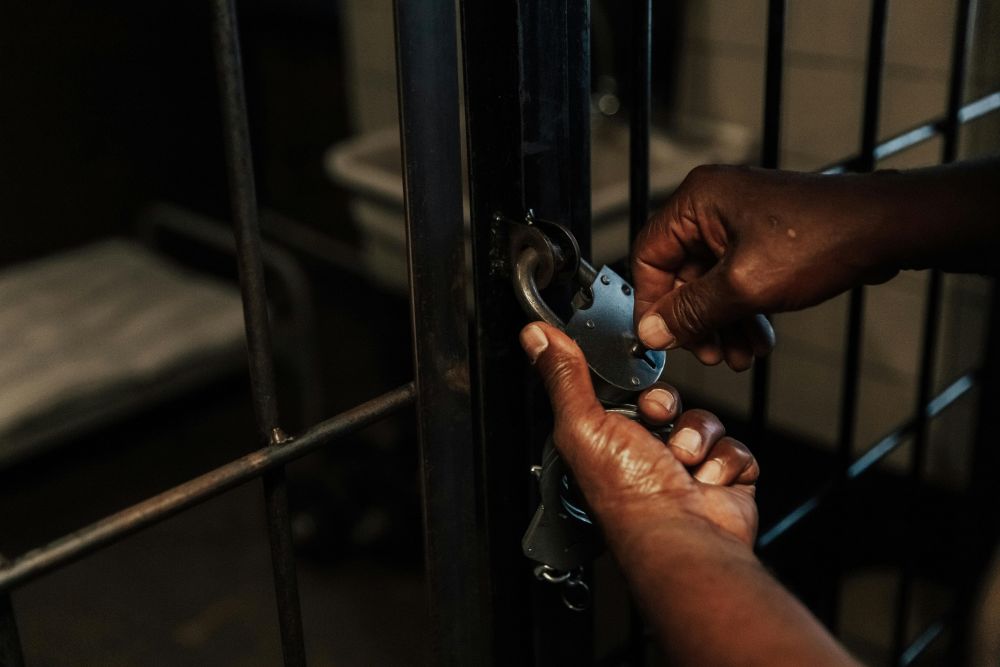
A federal judge ruled Marcy prison must expand treatment access for inmates.
Multiple layers of razor wire surround Marcy Correctional Facility in Oneida County, a reminder of the isolation faced by the inmates inside. A federal judge has now stepped in, ordering the state Department of Corrections and Community Supervision to change how inmates with mental health needs are being housed at the facility. The decision followed a lawsuit filed by two advocacy groups, who argued that dozens of inmates were being kept in solitary-like conditions without access to the treatment and services required under law.
The order, issued by U.S. District Judge Mae A. D’Agostino, requires that inmates in the Residential Mental Health Unit at Marcy be given more time out of their cells. On weekdays, they must receive at least four hours of out-of-cell therapeutic programming or mental health treatment, along with three additional hours of group programming, services, recreation, meals, or other activities. On weekends, when structured programming is not provided, inmates must have seven hours of out-of-cell time dedicated to recreation, activities, or meals. This ruling applies only to Marcy Correctional Facility but highlights a broader issue affecting New York’s prison system.
The lawsuit was filed earlier this month on behalf of nine inmates. According to the complaint, these individuals were being kept in their cells nearly around the clock, with little to no opportunity for therapy or medical care. The suit named corrections officials, including Marcy’s superintendent, and claimed that constitutional rights had been violated. Advocates argued that the facility holds nearly 100 people in its mental health units, making the problem widespread and not limited to a few cases.
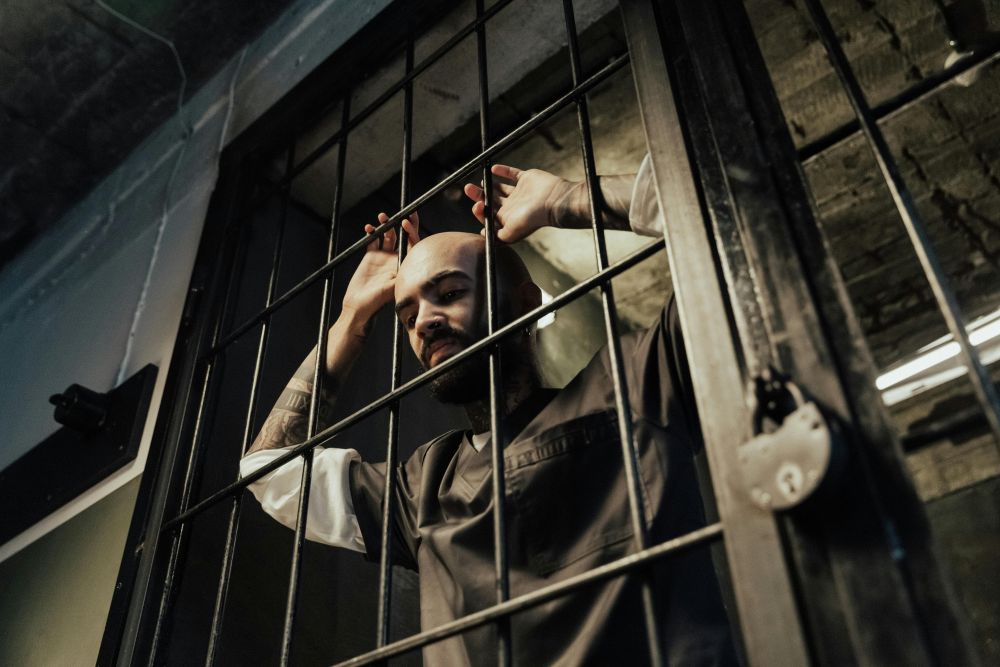
Advocacy leaders described the decision as overdue relief. Timothy Clune, executive director of Disability Rights New York, said the ruling brought long-awaited change for the men involved. Karen Murtagh, who leads Prisoners’ Legal Services of New York, described it as an important step toward restoring dignity to people with mental illnesses. Both groups emphasized that the law already guaranteed out-of-cell time and treatment, and corrections officials had agreed to restore those services.
The case draws attention to a law passed in 2008, which required that individuals in Residential Mental Health Units be given at least seven hours outside their cells every day. Four of those hours were meant for therapy or treatment, three for group activities, and one for recreation. Yet, according to the lawsuit, inmates were instead left locked in their cells with medication being their only consistent form of treatment.
Officials have pointed to a staffing shortage as a key reason behind the suspension of programs. Corrections Commissioner Daniel Martuscello III acknowledged in court filings that staff levels had fallen so low that National Guard members were deployed in some prisons to fill the gaps. Earlier this year, programming required under the Humane Alternatives for Long-Term Solitary Confinement Act was temporarily suspended after an agreement with the corrections officers’ union ended a lengthy strike. While the suspension was framed as a short-term safety measure, it effectively cut off services to many inmates, including those in mental health units.
The lawsuit contends that these conditions violate not only the 2008 law but also more recent protections. In 2021, New York passed legislation limiting solitary confinement for all inmates, including those considered part of special populations such as individuals with diagnosed disabilities. Advocates argue that Marcy’s practices contradict both the spirit and the letter of those protections.
Earlier this year, the New York Civil Liberties Union and Prisoners’ Legal Services also sought to bring a class-action lawsuit in state court, targeting what they described as the unlawful use of solitary confinement across prisons. That filing followed a report from the Correctional Association of New York, which documented repeated violations of the 2021 law. The Marcy case now highlights how these issues remain unresolved and how legal pressure continues to mount.
The judge’s order signals that courts are willing to step in when inmates with mental health needs are denied the services to which they are entitled. For the individuals held in Marcy’s mental health units, the injunction means a chance to spend more time outside of their cells, to take part in therapy, and to receive the kind of care that state law has long promised but has not consistently delivered.
Sources:
Federal judge orders NY to give mentally ill inmates more out-of-cell time
Implementation of the HALT Solitary Confinement Law in New York State Prisons
Join the conversation!