
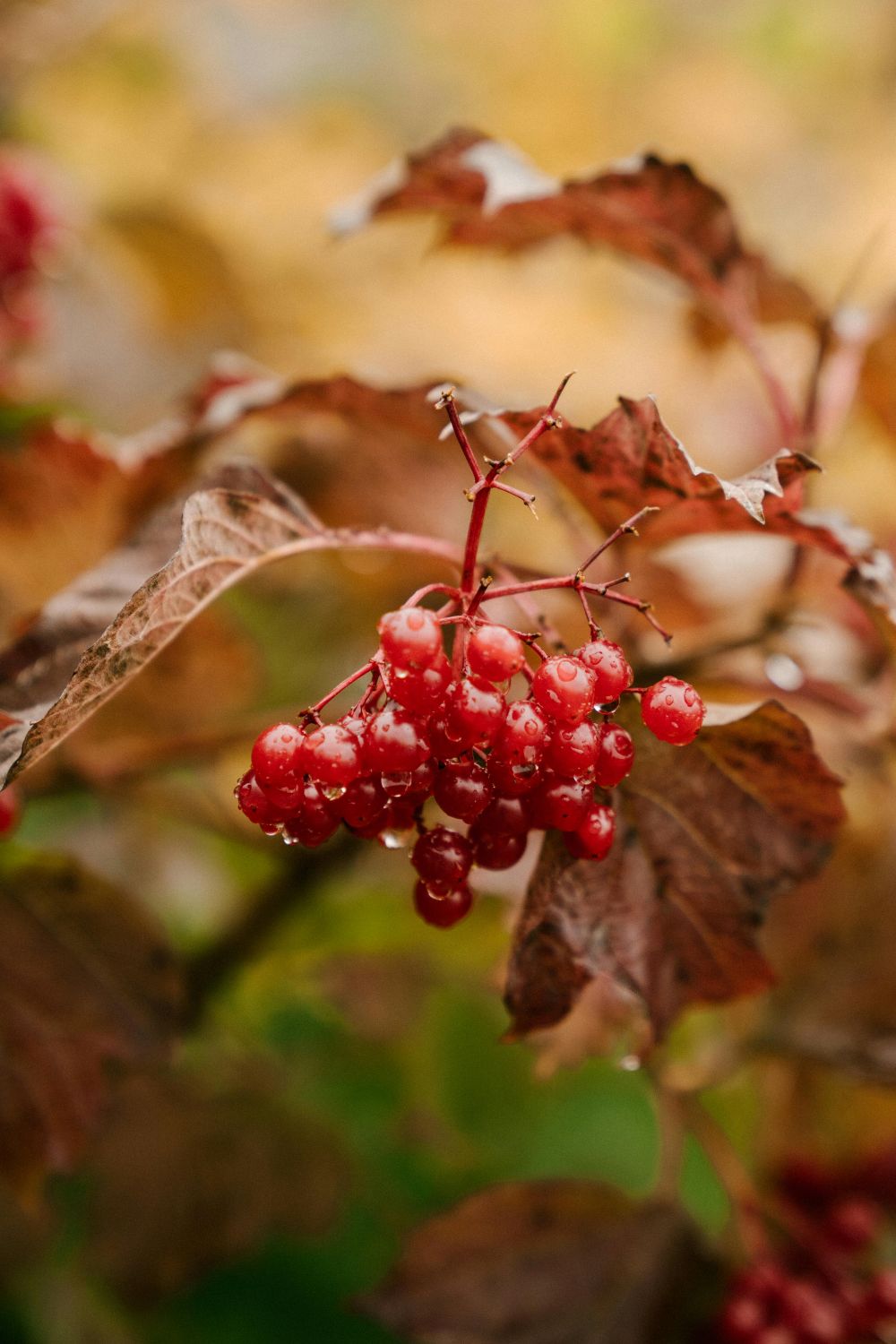
Study finds desert berry extract improves blood sugar and insulin function in diabetes.
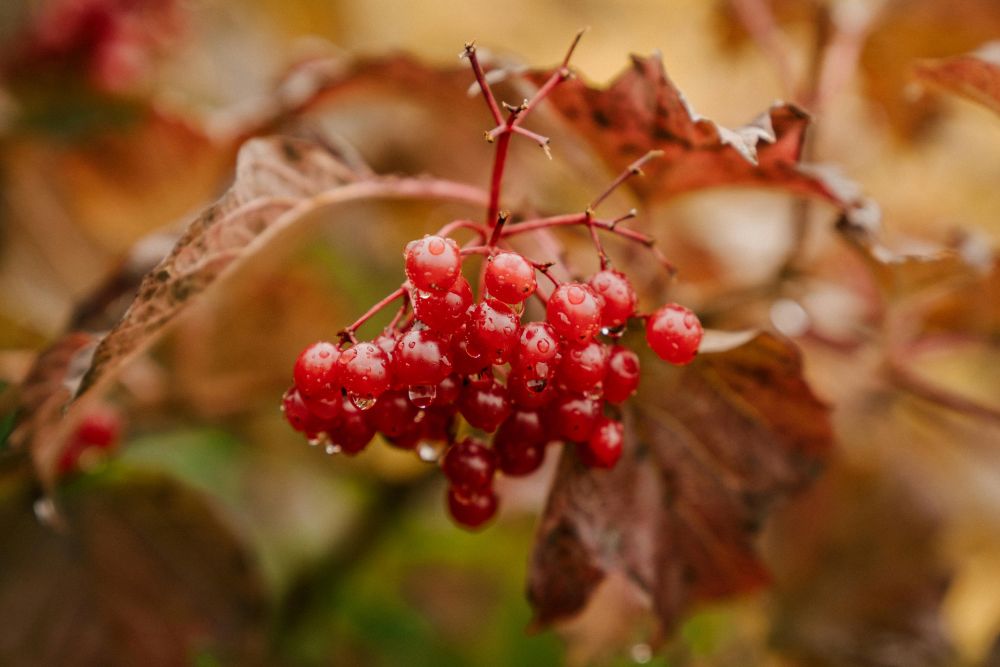
A recent study has drawn fresh attention to a plant long used in traditional medicine but little understood by modern science. Known for its resilience in harsh desert climates, Nitraria roborowskii Kom, a shrubby plant native to western China, produces small, bright red berries that have been consumed by local communities for generations. While folklore praised their nutritional value, researchers have now taken a closer look at whether berry extract might offer something more, especially for people with diabetes.
A team of scientists from Qinghai University and the Northwest Institute of Plateau Biology focused on a compound extracted from the berries, referred to as NRK-C. In laboratory studies, diabetic mice were given this extract daily for seven weeks. The results surprised even the researchers. Mice that received the treatment had fasting blood sugar levels that dropped by 30 to 40 percent. The improvement was more noticeable in those that received higher doses of the extract.
Just as striking was how the extract seemed to restore how the mice responded to insulin. Their bodies started reacting more normally again, with about a 50 percent improvement in insulin sensitivity compared to untreated diabetic mice. This suggests the extract didn’t just lower blood sugar—it helped fix one of the core problems in diabetes.
There were other signs of improvement, too. Blood tests showed the treated mice had better cholesterol levels. The berry extract also seemed to cut down on the kind of oxidative stress that can damage cells and lead to complications over time. Some of these changes reached as much as 60 percent improvement. These kinds of wide-ranging effects are rare with a single treatment, especially one made from plants rather than synthetic chemicals.
Looking deeper, scientists found that the berry extract appeared to reactivate a pathway in the body called PI3K/AKT. This system helps control how cells process sugar and fats. In people with diabetes, this pathway often gets blocked or weakened. By reactivating it, NRK-C may help restart the body’s natural ability to regulate its metabolism.
Microscope images of the mice’s tissues told a similar story. In the untreated group, signs of liver and pancreas damage were clear. But in the mice that got the extract, their tissues looked more normal. That visual evidence backed up what the blood work was already showing—that this extract might help protect organs from long-term damage.
What sets this study apart is not just the numbers, but the way NRK-C seems to work across multiple systems in the body at once. While most diabetes drugs focus on lowering blood sugar or boosting insulin levels, NRK-C seems to help restore overall balance in how the body handles energy. That has researchers wondering whether the extract could be useful beyond diabetes, for other health conditions tied to insulin resistance.
The lead scientist on the project, Dr. Yue Huilan, pointed out that more research will be needed, especially in humans. But the findings give strong reasons to continue exploring this berry extract. In addition to offering new treatment ideas, the research also shows the value of looking back at traditional remedies with modern tools. Plants like Nitraria roborowskii may have been offering support all along—we just didn’t fully understand how.
If these early results hold up in future trials, the berries could show up in supplements or foods designed to help people manage blood sugar more naturally. For now, the study adds an intriguing new entry to the list of plant-based compounds worth watching in the effort to tackle one of the world’s most common chronic diseases.
Sources:
New study shows potent effects of desert berry extract (NRK-C)
Join the conversation!