
Studies reveal diquat may harm vital organs, gut health, and immunity.
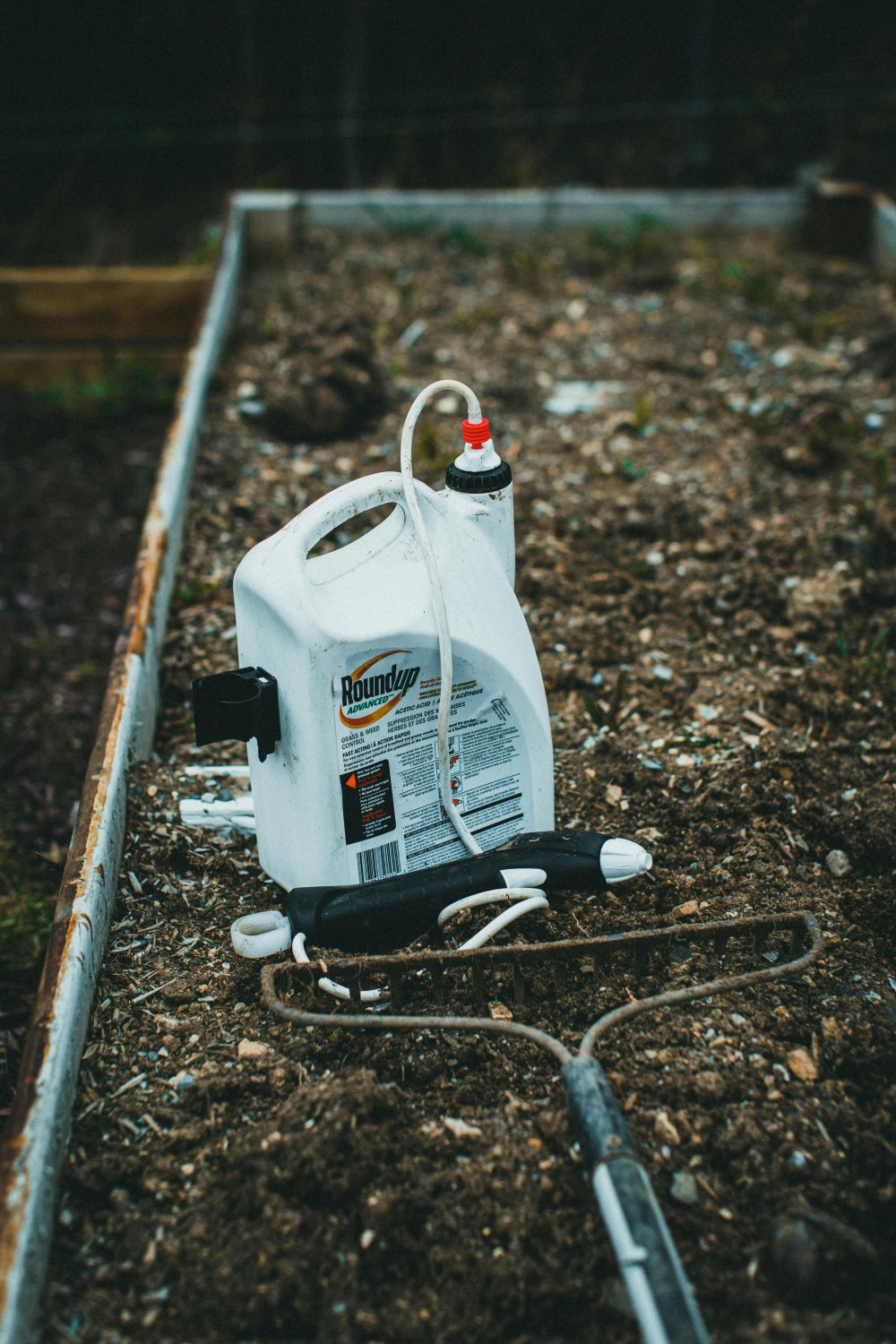
Diquat, a chemical used to kill weeds, is still being sprayed on crops across the United States. Though banned in countries like the UK, China, and those in the European Union, it remains legal and in use on American farms. It’s been adopted as a replacement for glyphosate, the original ingredient in Roundup, which lost public trust after being tied to cancer lawsuits. But recent findings suggest diquat may actually be even more harmful.
The chemical is most commonly used in vineyards and orchards but is now spreading to other types of farming as older weedkillers fall out of favor. Diquat has been shown to damage organs, disrupt digestion, and may play a role in illnesses such as Parkinson’s disease. In fact, according to research gathered by health-focused groups, this herbicide could be hundreds of times more toxic than glyphosate when exposure happens over time.
Despite that, the U.S. Environmental Protection Agency (EPA) is not currently reviewing its safety. While some scientists and public health groups are sounding alarms, little movement has happened at the policy level. Other pesticides with better-known names continue to dominate the conversation—leaving diquat in the background, even though its health effects are just as severe, if not worse.
Recent research highlights how diquat affects the body in several different ways. It can break down the lining of the gut, allowing harmful substances to leak into the bloodstream. This can lead to swelling in the intestines, which doesn’t just stay in the gut—it may spread through the entire body. The chemical also kills off helpful gut bacteria that play a role in keeping the digestive system strong and functional. Without those bacteria, the gut lining gets weaker, and the body has trouble absorbing nutrients from food. That means the person exposed could suffer not just gut problems, but fatigue, poor immune function, and long-term nutritional issues.

The liver and kidneys, both key organs for cleaning out the body, also take a hit. The chemical can tear apart kidney cells and keep them from sending or receiving signals properly. In the liver, it appears to set off an immune response that creates long-lasting irritation and harm. Over time, this kind of inflammation might turn into lasting organ damage.
Diquat also harms the lungs. In studies, it’s been shown to start inflammation in lung tissue, which could make it harder to breathe and increase the risk of chronic illness. If enough organs are inflamed at once, a person could end up with what’s known as multiple organ dysfunction—a very serious condition where several systems in the body begin to shut down.
Some of the findings come from studies on animals, but scientists are concerned about long-term effects on people who work with or live near sprayed fields. Researchers say more studies are needed on long-term, low-level exposure, since those are the types of conditions most common among humans.
Even with these dangers, products with diquat remain easy to find on store shelves in the U.S. The EPA has yet to take formal action, and the public doesn’t hear much about it because other pesticide fights take priority. Advocates say it’s not because diquat is less dangerous, but because the laws make it hard to ban anything. Past efforts to remove other pesticides, like chlorpyrifos, ended in legal challenges that undid agency decisions.
Some believe the EPA has gotten too close to chemical companies and isn’t holding them accountable. Others say the agency still works from the idea that toxic weedkillers are an unfortunate but necessary part of farming. That belief, according to critics, makes real change almost impossible.
In the meantime, diquat use continues. While other countries moved on years ago, the U.S. remains stuck in old battles—leaving farmers, consumers, and nearby communities to carry the risks.
Sources:
Weedkiller ingredient widely used in US can damage organs and gut bacteria, research shows
Weedkiller Widely Used In US Can Damage Organs And Gut Bacteria: Research
Diquat herbicide poisons the gut, may severely damage other organs
Join the conversation!