
Storms block access to addiction medications, raising relapse risks.
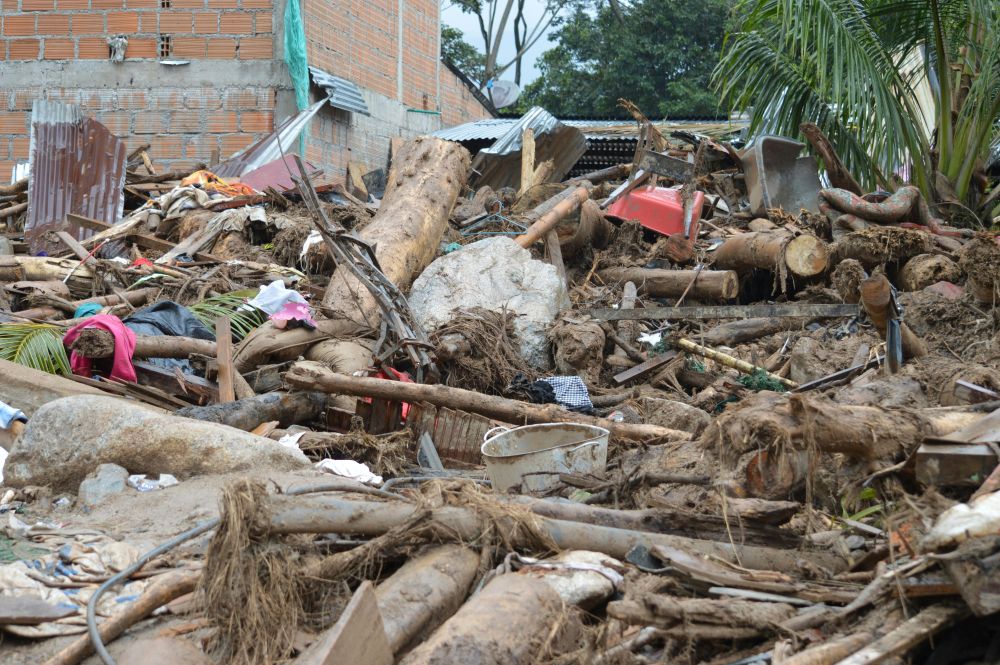
A powerful storm in 2024 left many parts of western North Carolina without basic services, creating serious problems for people trying to stay on track with addiction recovery. In the aftermath of Hurricane Helene, roads were blocked, homes were damaged, and power and communication systems went down. For many residents, the storm was not just a natural disaster but also a threat to their health and stability.
One woman in recovery found herself facing a difficult situation just days after the storm passed. After leaving her home due to unsafe conditions, she checked her supply of medication and realized she only had a few days left. The medicine she relied on helped control cravings tied to opioid addiction. Without it, there was a real risk of falling back into old habits. With phone lines down and clinics closed, getting a refill quickly became a serious concern.
Stories like hers have raised alarms among doctors and health workers. Many say natural disasters can interrupt access to medications that people depend on every day. For those recovering from opioid addiction, missing even a short period of addiction services can increase the risk of relapse. The stress caused by disasters can make the situation worse, as people deal with loss, fear, and sudden changes to their lives.
Medical experts have pointed to past disasters as examples of how these problems can grow. After major storms and fires, many patients reported being unable to get their prescriptions filled. In some cases, overdose rates increased in the months and years that followed. These patterns have led some doctors to call for changes in how care is handled during emergencies.
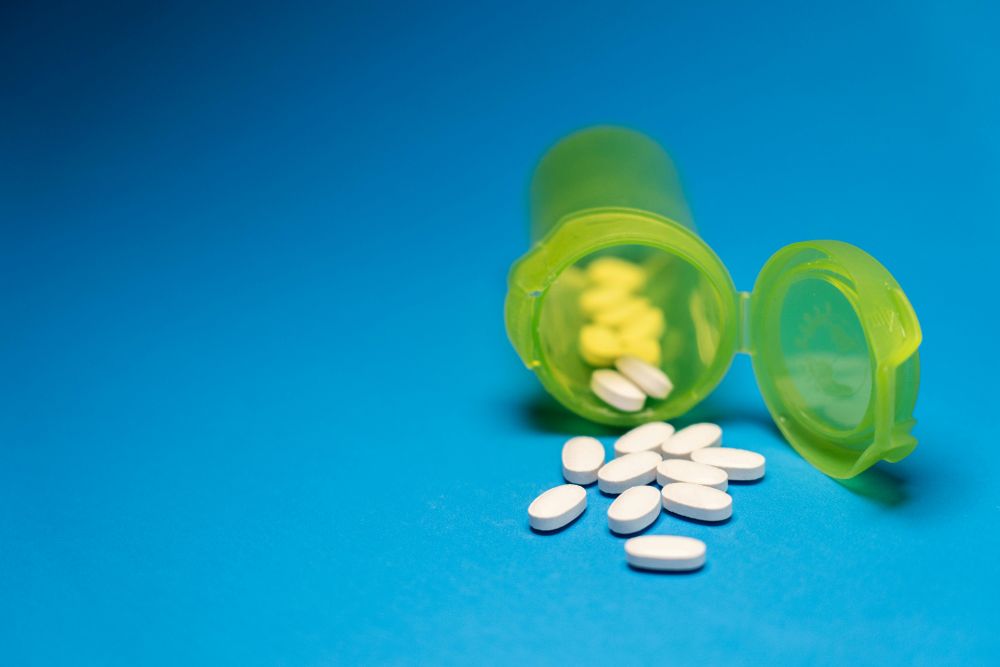
A group of physicians recently shared ideas for improving access to treatment during disasters. They believe steps should be taken before storms hit, not after. One idea is to allow patients to receive extra medication ahead of time if severe weather is expected. This could give people a buffer in case pharmacies close or travel becomes unsafe.
Another suggestion is to create systems that allow patients to get medication even if they are forced to leave their home state. Right now, rules can make it hard to fill prescriptions in a different location. This becomes a major problem when people evacuate and cannot return quickly. Doctors say better coordination between states and pharmacies could help solve this issue.
There are also calls to include addiction services in disaster response planning. This could mean making sure emergency teams carry certain medications or that clinics have backup power sources. Training volunteers to understand the needs of people in recovery is another idea that has been discussed.
Part of the challenge comes from the strict rules surrounding some addiction medications. Certain drugs require in-person visits to approved clinics, which may close during a disaster. Other medications are closely tracked, and limits are placed on how much can be ordered or dispensed. While these rules are meant to prevent misuse, they can also create barriers when quick access is needed.
In the case of the North Carolina storm, some patients went to great lengths to get their medication. Reports described people traveling long distances, crossing difficult terrain, and visiting multiple pharmacies before finding what they needed. Even when prescriptions were filled, supplies were sometimes limited, and costs could rise, especially if insurance coverage did not apply outside the home state.
For those in recovery, the fear of relapse can be overwhelming. The woman who fled her home during the storm eventually found a way to refill her prescription after several attempts. She visited more than one pharmacy and had to travel out of state to get the medication. The cost was higher than usual, adding financial stress to an already difficult time. Still, she chose to pay for it rather than risk losing progress.
Health experts warn that as severe weather events become more common, these situations may happen more often. They say action is needed to protect people who depend on steady access to treatment. Without changes, natural disasters could continue to disrupt recovery and lead to preventable harm.
Sources:
Natural disasters can cause another crisis for those recovering from opioid addiction
Disaster Within a Disaster: Ensuring Access to Opioid Use Disorder Treatment During Natural Crises
Join the conversation!