
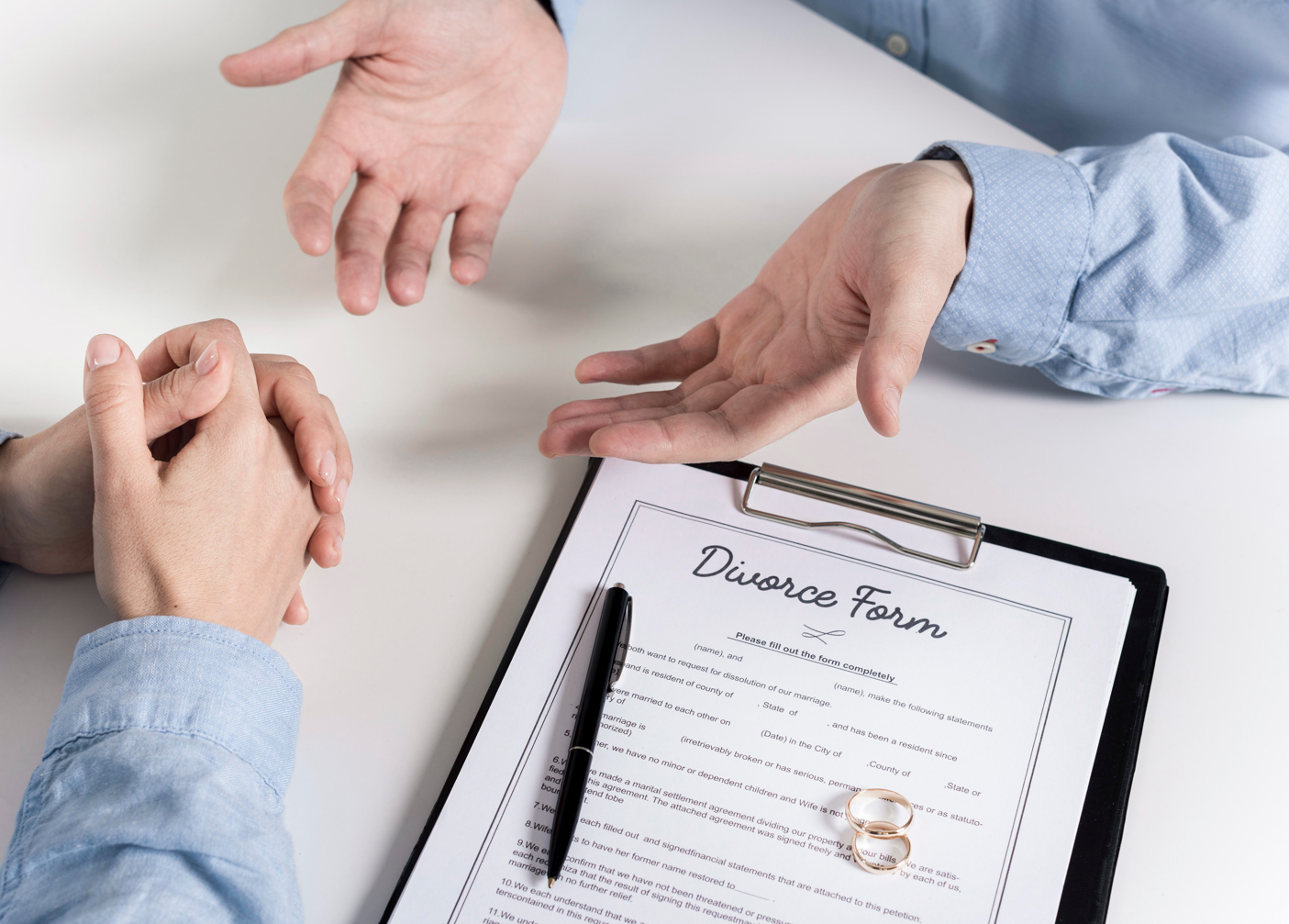
Things become particularly complicated in high-asset divorces, where one must also account for stock options, business valuations, and other assets.
Whether you live in San Diego or elsewhere in California, every couple has to follow the state rules governing its divorce proceedings. For example, many couples want to end their marriage as soon as possible. While it’s good to separate before things become more complicated or contentious, certain laws have been established to make sure both parties receive fair treatment and that their matters are resolved legally. That’s why following the rules regarding waiting periods is necessary. In California, the minimum requirement is a six-month wait from the date the petition is served and the respondent files a response or makes an appearance. Nevertheless, this is just the beginning. Several factors can influence the waiting period a couple must observe under the law before getting legally separated.
If you don’t want any confusion around these and other critical details related to the divorce process in your city, hire the best divorce attorney San Diego. From waiting periods to other aspects, they will explain everything. Each component is important to understand before making a move. Therefore, let’s first take a quick look at the waiting period requirement so that you have a realistic sense of how the process will progress. You should mentally prepare yourself for the timeline involved.
The typical waiting periods in divorce cases

The waiting period in a divorce proceeding in California can range from 6 months to 5 years. Generally, a summary dissolution, which applies only to couples meeting specific criteria such as having no children and limited assets, can be completed in six months. Uncontested divorce petitions typically take 6 to 8 months, while moderately contested cases may take 1 to 1.5 years. High-conflict divorce cases can take about two to five years. Regardless of the situation, waiting for 6 months and 1 day is mandatory, without exception. Divorce cannot be finalized earlier than this, even if both partners agree to end their marriage. The waiting period begins on the date the divorce papers are served. Most cases usually take longer to resolve due to child custody disputes, disagreements over support, property issues, and other related matters.
It is also essential to recognize that California follows no-fault laws, so it is sufficient to specify only irreconcilable differences. You must also satisfy residency requirements before filing for divorce. For example, you should have lived at least three months in your county and six months in California. An experienced divorce lawyer can guide you through all of these requirements, but having a basic understanding is always helpful.
Factors that affect the divorce timeline
Although you already have a basic idea of why some cases are completed in six months while others take longer, it is important to understand the specifics. The timeline depends on factors such as children, financial discovery and disclosures, and community property. In California, most assets acquired during the marriage are generally divided equally between the couple. Exceptions may exist, though. Things become particularly complicated in high-asset divorces, where one must also account for stock options, business valuations, and other assets. It is easier to sort out matters when only a rented apartment or earned income reported on a W-2 is involved.
However, this process requires following all legal steps carefully from the beginning. When you consult a qualified lawyer for your type of case, you can expect to receive precise guidance on what to do and how.
Join the conversation!