
FDA considers restrictions as kratom debate grows over safety and regulation.
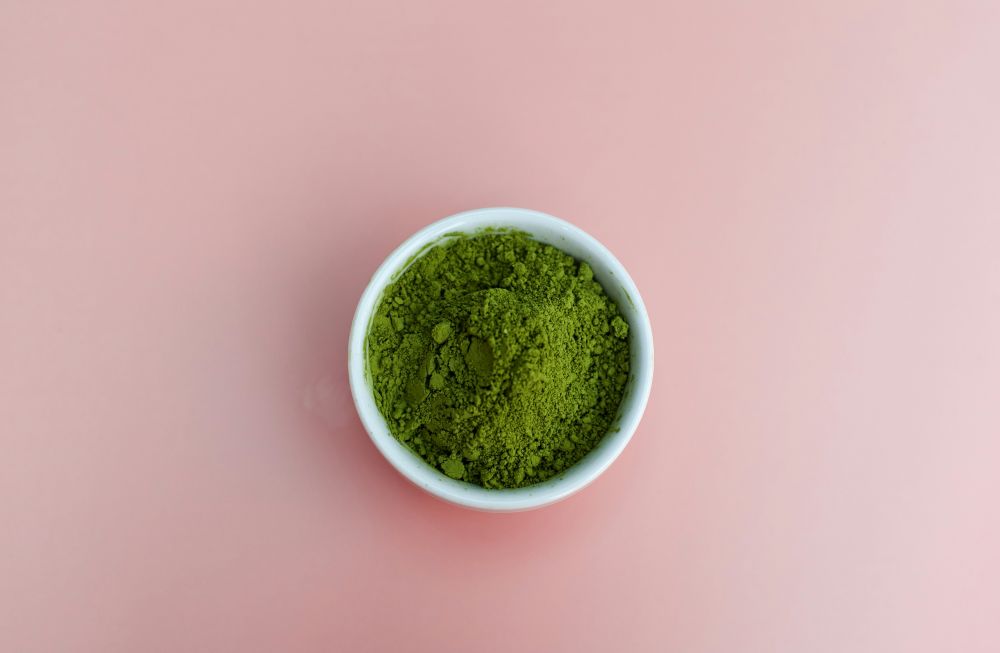
Anthony Margotta Jr. has spent decades around horses, long days at Monmouth Park, and a life marked by both hard work and hard lessons. Now 63, he carries with him the weight of old injuries and the limits that come with age. For most people, the answer to chronic pain would be prescription pills. For Margotta, who fought his way out of drug and alcohol addiction years ago, that path is closed. He cannot take opioids or risk falling back into old habits. Two years ago, he read about kratom products, used for centuries in Southeast Asia. Curious but cautious, he ordered powdered leaves online and brewed them into tea. A year later, he tried tablets that carried the compound 7-hydroxymitragynine, often shortened to 7-OH. For him, the effect was clear. He said it gave him relief and freedom, the ability to manage pain without prescription drugs. The convenience of ordering online felt like independence after years of relying on a system he wanted no part of.
But Margotta’s story is only one piece of a much larger debate. Across the country, kratom products have become common in smoke shops, gas stations, and online stores. Gummies, drink mixes, flavored shots, and capsules line shelves. Some buyers see them as natural relief, others as risky experiments. Federal health officials have grown increasingly concerned, not about the traditional plant leaves themselves, but about lab-made versions of 7-OH. These enhanced products, scientists warn, are many times stronger than morphine and are often sold as if they were simply “kratom.”
The Food and Drug Administration has already begun steps to restrict or even ban concentrated 7-OH products, which could move them into the same legal category as heroin and LSD. Officials warn that a new addiction crisis could rise if these unregulated products remain widely available. Robert F. Kennedy Jr., now serving as Secretary of Health and Human Services and drawing from his own past struggles with heroin, said the country cannot afford another wave of addiction tied to a substance that looks harmless at first glance.
In New Jersey, the debate has grown heated. Some lawmakers push for a full ban, pointing to cases like that of Christopher “CJ” Holowach, who died after mixing kratom with his prescription medication. His mother has since pushed for “CJ’s Law,” which would outlaw kratom entirely in the state. Others argue that banning will not stop demand, only drive it underground. They call for regulation instead—limiting sales to adults, requiring clear labeling, and removing synthetic products disguised as natural leaf powder.
Researchers at Rutgers University have warned that many of the dangers come from products advertised as kratom but actually containing high levels of synthetic 7-OH. They say the natural leaf has lower potency, while the concentrated versions are what send young people to emergency rooms. Poison control calls linked to kratom have risen sharply over the last decade, and federal data shows more than a thousand overdose deaths involved the substance in 2023.
Still, supporters believe kratom, in its natural form, provides real help. Surveys show that many people use it to manage pain, fight depression, or cope with anxiety. Some also use it as a way to avoid opioids during recovery. For them, regulation offers a middle ground that balances safety with access.
Senator Joseph Lagana of Bergen County has sponsored a bill that would regulate sales and give the state power to shut down bad actors. The bill is backed by the American Kratom Association, which argues that banning kratom outright would punish responsible users while allowing dangerous synthetic sellers to thrive in the shadows. They insist the real fight should be against adulterated products, not the natural plant itself.
Margotta shares that perspective. Having lived through addiction, he says he knows how easily people can be led astray by those looking to make a profit. He sees some sellers marketing 7-OH to young people, pushing it as a quick high. That, he says, is dangerous. At the same time, he believes making kratom illegal would only drive desperate people toward riskier choices. In his view, regulation is the only path that protects both freedom and safety.
For now, kratom remains legal in New Jersey. The future of products like 7-OH, however, is uncertain. Between grieving parents, health officials, lawmakers, and long-time users, the debate shows no sign of ending. What happens next could decide whether kratom continues as an herbal option for people like Margotta—or disappears from shelves altogether.
Sources:
A drug ‘more potent than morphine’ is legal in N.J. Is it fueling a new wave of addiction?
Doctors warn of a stealth opioid 20x more potent than fentanyl
Join the conversation!