
U.S. District Judge Leonie Brinkema didn’t rule on the government’s request to dismiss a lawsuit challenging the fund’s formation and operation, but she explicitly rejected the argument that the case cannot proceed because its claims are moot.
A federal judge who blocked the establishment of President Donald Trump’s $1.8 billion “anti-weaponization” fund verbally pushed back against the Justice Department on Friday, saying he doesn’t yet believe the government’s claims that the concept has been abandoned.
According to PBS, U.S. District Judge Leonie Brinkema didn’t rule on the government’s request to dismiss a lawsuit challenging the fund’s formation and operation, but she explicitly rejected the argument that the case cannot proceed because its claims are moot.
In the past, government lawyers—up to and including U.S. Attorney General Todd Blanche—have insisted that the administration plans to comply with past court orders prohibiting the fund’s establishment. But, even as Blanche has issued a series of denials and revocations, the president himself has repeatedly indicated that he’d like to see the idea reworked and, at some point in the future, put back into action.
“The issues that underlie this case are still alive and kicking, in my view,” Brinkema said.
PBS News notes that, early in August, Blanche issued a formal order terminating the fund after spending “weeks” negotiating with two Republican senators who wanted to see the anti-weaponization fund committed to paper before endorsing his nomination for attorney general.
“The case is moot,” Justice Department lawyer Andrew Block told Brinkema.” The mootness has been addressed at every stage.”
Brinkema, however, pointed to the president’s own comments, as well as remarks made by other administration officials. “They contract themselves all the time,” the Virginia-based judge said.
The $1.8 billion anti-weaponization fund was created through a negotiated settlement between President Donald Trump and the Internal Revenue Service. Trump sued the agency after a whistleblower accessed and leaked records relating to the president’s personal finances and business transactions. The case attracted near-immediate scrutiny over the optics of a sitting president suing a government agency.
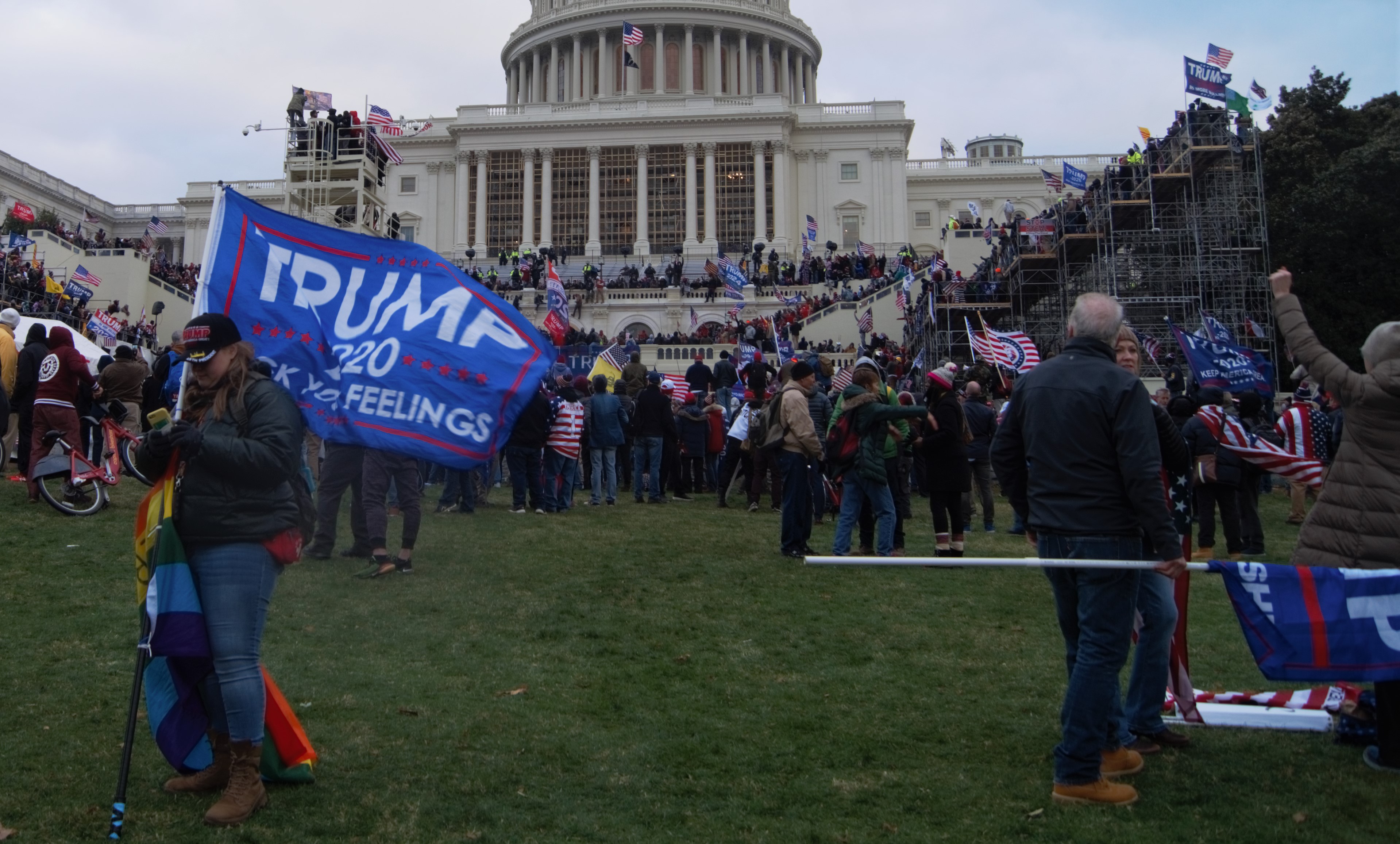
The settlement agreement, if enacted, would also have shielded Trump—along with other members of his family—from future IRS audits and investigations. It also provided about $1.8 billion in funds to “victims” of political persecution under past administration officials. The definition of “persecuted” persons most likely would have extended to January 6 rioters who were charged and convicted of storming the Capitol before being pardoned by President Trump.
In June, Brinkema agreed to a extend an order blocking the fund until further notice from the court. On Friday, Democracy Forward attorney Pooja Boisture—whose organization is representing plaintiffs in the case against the Trump administration—told the court that, if Brinkema’s order is ever lifted, the government will likely move forward with the fund “either in its current iteration or a new one.”
“This scheme is an unprecedented, unlawful, and corrupt attempt to manipulate the legal process and laws intended to prevent political interference to achieve benefits that President Trump and his political allies could not have obtained lawfully,” Boisture said.
Sources
Judge isn’t swayed by government’s claims that plans for an ‘anti-weaponization fund’ are dead
Legal fight over Trump’s ‘anti-weaponization’ fund ‘still alive and kicking,’ judge says
Join the conversation!