
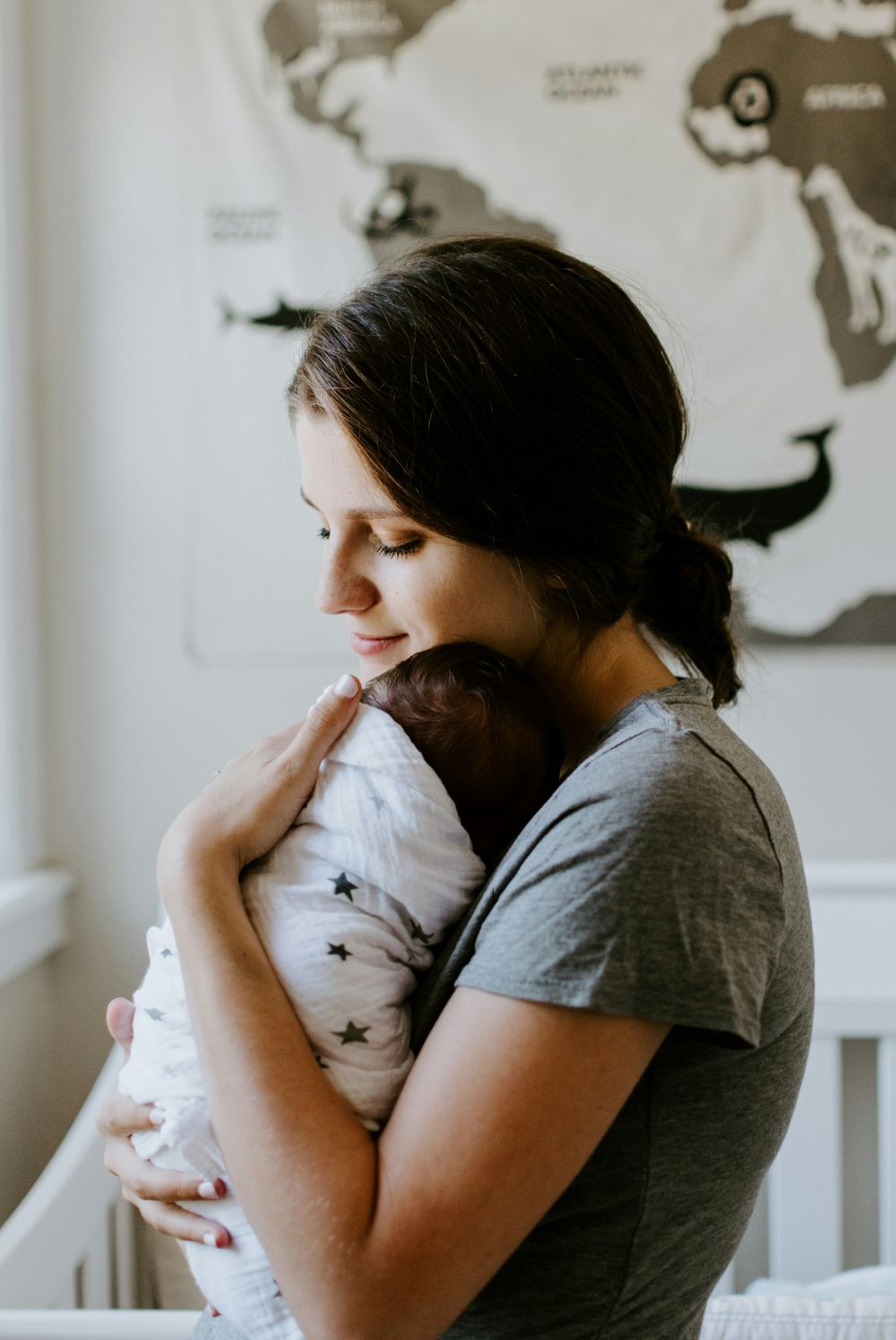
Study finds frequent fetal movement strengthens maternal bonding during late-stage pregnancy.
During pregnancy, one of the first signs of a baby’s presence is movement in the womb. These small kicks, turns, or stretches often serve as reassurance that the baby is growing and developing as expected. Beyond their physical role, researchers have been studying how these movements might also strengthen the emotional bonds created between a mother and child even before birth. A recent study supported by the Bial Foundation sheds new light on this subject, suggesting that the frequency of fetal activity may be directly tied to how strongly a mother bonds with her baby during pregnancy.
The research involved 51 pregnant women in their third trimester whose babies’ movements were tracked with a medical device called an actocardiograph. This allowed the team to measure activity levels with precision, rather than depending only on the mother’s personal sense of movement. To understand the emotional side of the experience, the researchers used the Prenatal Attachment Inventory-Revised, a questionnaire designed to assess the strength of maternal-fetal attachment. What they found was striking: mothers with more active babies consistently showed higher attachment scores, even after accounting for other factors such as mood, stage of pregnancy, or knowledge of the baby’s sex.
This study adds an important layer to earlier research. Previous work had already suggested that mothers who notice more frequent kicks and rolls feel closer to their babies. However, those earlier results left open the question of whether the bond came only from perception—how much movement the mother happened to feel—or from actual activity in the womb. By recording movements directly, the team was able to show a more objective link. The findings indicate that the fetus’s activity itself may help drive emotional bonding, whether or not the mother consciously notices every movement.
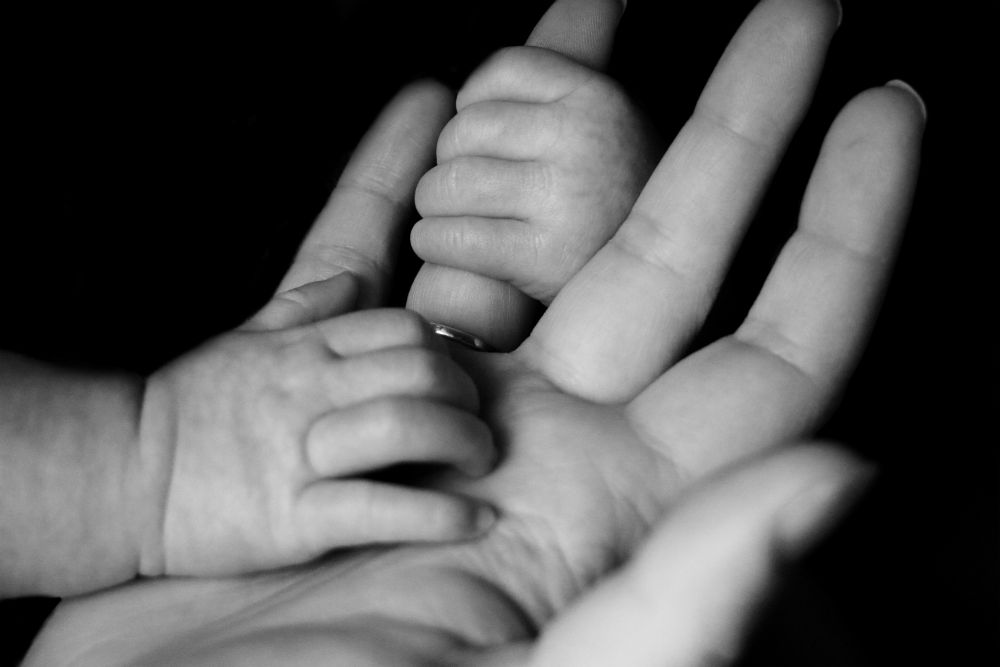
The implications are meaningful. Fetal movements have long been seen mainly as a sign of physical health, but this study suggests they may also serve as a kind of early communication. A baby’s shifts and stretches may encourage the mother to form mental images of the child, anticipate life after birth, and respond emotionally in ways that strengthen caregiving instincts. This process appears to unfold naturally, without the need for medical intervention. Simple awareness and attention to fetal activity may be enough to encourage stronger connections.
The researchers also noted how prenatal bonds influence life after delivery. Mothers with higher attachment during pregnancy are often more engaged, responsive, and emotionally available once the baby arrives. This, in turn, supports healthy development in the newborn, as sensitive caregiving helps establish secure early relationships. If fetal activity helps build these bonds before birth, then acknowledging and fostering that connection could benefit both mother and child in the long term.
It is also worth noting that the relationship between movement and bonding does not require conscious effort every time. Even when movements are too subtle to notice, they may still be shaping the mother’s attachment in the background. Still, when mothers do pause to pay attention or even respond with a hand on the belly or a smile at a sudden kick, the interaction may deepen the bond even further. Such small moments help transform the idea of pregnancy from a physical condition into an active relationship between two lives.
As with many areas of prenatal research, more work will be needed to explore how these findings can be applied in practice. Still, the study highlights a fascinating and natural pathway through which emotional ties are built even before birth. Fetal movement is more than just a biological marker; it is a living signal that contributes to the unfolding relationship between mother and child. By listening to and acknowledging these signals, the earliest steps of caregiving begin long before delivery.
Sources:
Fetal activity enhances prenatal bonding between mother and baby
Associations between fetal movement and maternal-fetal attachment in late pregnancy
Join the conversation!