
Study finds food-based flavonols may improve drug effectiveness by blocking resistance.
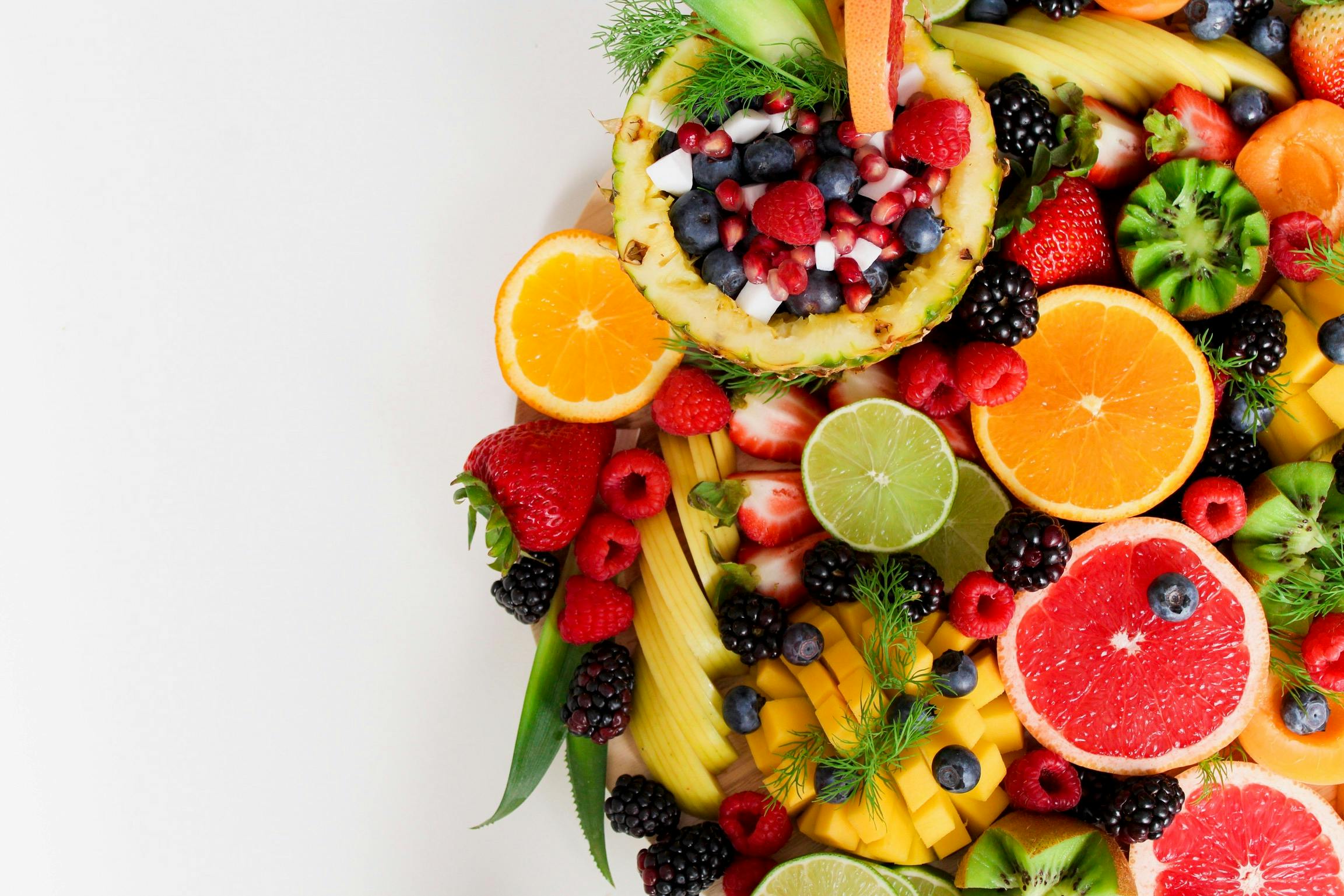
New findings from a group of scientists have revealed that food compounds might help drugs work better by interfering with a natural defense system in the body. These compounds, called flavonols, are found in things like fruits and vegetables. They were shown to block a protein that normally throws drugs out of the body too quickly, which can sometimes make treatments less helpful, especially for cancer and certain other conditions.
This defense protein is known for limiting how much of a drug gets absorbed in the gut, how far it can travel in the body, and how long it sticks around. It’s a problem when someone needs strong medicine, but their body keeps pushing it out. In this case, researchers looked at whether some flavonols could slow that process and give the drug more time to work.
The work was done using lab-grown cells, computer models, and rats. The team tested over seventy different flavonols. Out of those, more than twenty were able to slow the drug-resistance protein down. A few did it really well. The most promising flavonols were those with certain chemical features that helped them stick to the protein and stop it from working.
To measure the effect, researchers used a chemotherapy-related drug called SN-38 in lab cells. When the resistance protein was active, much more of the drug was needed to kill cancer cells. But when flavonols were added, the amount needed dropped, showing that the cells were once again sensitive to the treatment. This suggests the flavonols helped cancel out the resistance effect.

In the rat portion of the study, the team used a different drug that is known to be affected by this protein. They gave the rats either the drug alone or with the flavonols. When the flavonols were added, the drug stayed in the blood longer and at higher levels. This supports the idea that these food compounds can change how much of a drug gets used by the body.
However, this only happened when the drug and flavonol were taken by mouth. The levels of the flavonols in the blood stayed low, which means their main action might be in the gut, not the whole body. That’s a good sign for pills but may not help much with other drug types unless better delivery methods are found.
There are limits. The study used rats, not people. Animal studies don’t always match what happens in human bodies. Also, the flavonols were not tested with real chemotherapy in the rats, only in cells. That means it’s still too early to say whether this would work in a cancer patient.
Still, this research raises questions about how food and medicine interact. It might one day be possible to pair certain diets or food-based products with drugs to help them work better. Before that can happen, though, more work needs to be done to see if the same results hold true in people and if the right dose can be safely given.
Sources:
Flavonols found in foods can block drug resistance protein and boost medication absorption
Join the conversation!