
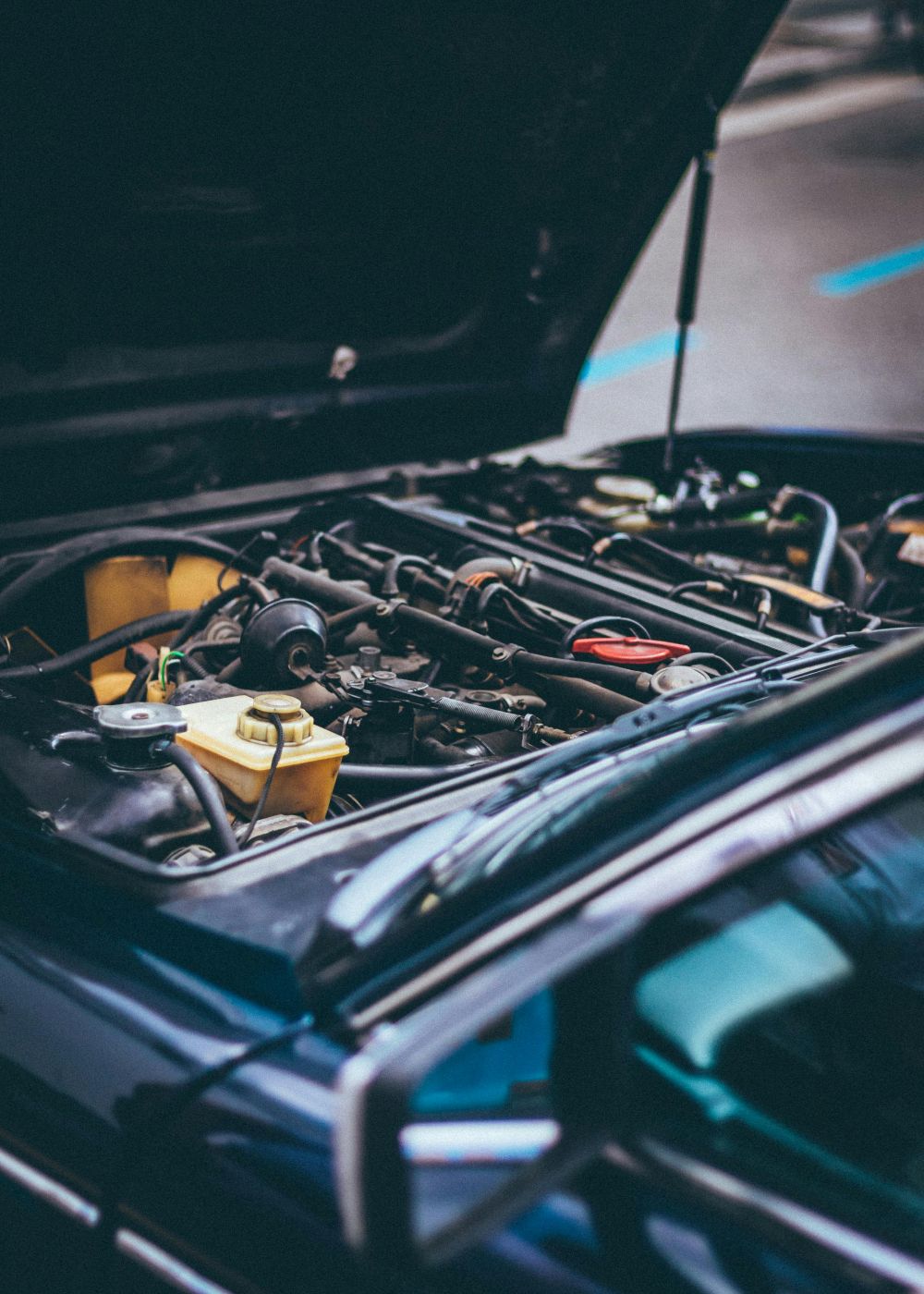
Lawsuits grow as GM engine failures raise safety and reliability concerns.
General Motors is under growing legal pressure due to problems tied to its 6.2 liter V8 L87 engine, which is found in many well known trucks and large sport utility vehicles. The issue first drew attention after a wave of owners reported sudden engine failure, sometimes while driving at highway speeds. In April, the company announced a recall, but new legal filings claim the fix did not stop the failures from happening. As complaints continued, the situation moved from a repair issue into a wider safety and legal dispute.
Records from the National Highway Traffic Safety Administration show more than twenty-eight thousand complaints linked to the engine. Drivers described loud knocking sounds, warning lights, loss of power, and engines that shut down without warning. Many reports point to damage in the crankshaft, bearings, and connecting rods, parts that play a major role in keeping the engine running. When these parts fail, the engine can seize or stop working altogether, often requiring a full replacement.
Data collected by CarComplaints connects the engine problem to at least twelve crashes and twelve injuries. These reports raised concern that the defect was not only costly, but also dangerous. Federal regulators opened an investigation, which pushed General Motors to recall nearly six hundred thousand vehicles. Later, the investigation expanded to cover an additional two hundred eighty-six thousand vehicles as more reports came in.
The vehicles involved include popular models produced between 2019 and 2024. Among them are the Chevrolet Silverado 1500 and GMC Sierra 1500 pickups, along with large SUVs such as the Chevrolet Tahoe, Chevrolet Suburban, GMC Yukon, and Cadillac Escalade. These vehicles are often used by families, work crews, and long distance drivers, making reliability a top concern.
The lawsuit centers on whether the repair offered by General Motors truly solved the problem. The recall focused on changing the engine oil specification. Plaintiffs argue that this step does not prevent internal damage already happening inside the engine. Court filings claim that some engines failed even after the recall work was completed, leaving owners with broken vehicles and repair bills that reached into the thousands.
Several lawsuits were filed in different states before being combined into a single class action known as Powell v. General Motors. Another case, Hermanowicz v. General Motors, was added in October. By merging the cases, the court can review shared evidence and make one ruling instead of many. A federal court in Michigan will decide whether owners should receive compensation beyond the recall repair.
Public reaction has been strong. Many drivers say the issue has changed how they view the brand. Online posts describe frustration with repeated service visits, long waits for parts, and fear of breakdowns. Some owners say they plan to keep their vehicles only until they can afford to switch brands.
Industry watchers note that problems like this can follow a company for years. Even after repairs, trust can be hard to rebuild. As the legal process continues, regulators may gather more data to decide if further action is needed. For now, many drivers are left waiting, watching warning lights, and hoping their engines hold together.
Sources:
GM Flubbed a Recall, Now It’s Facing a Massive Lawsuit
Judge merges over 10 GM L87 engine lawsuits into single class action amid recall criticism
Join the conversation!