
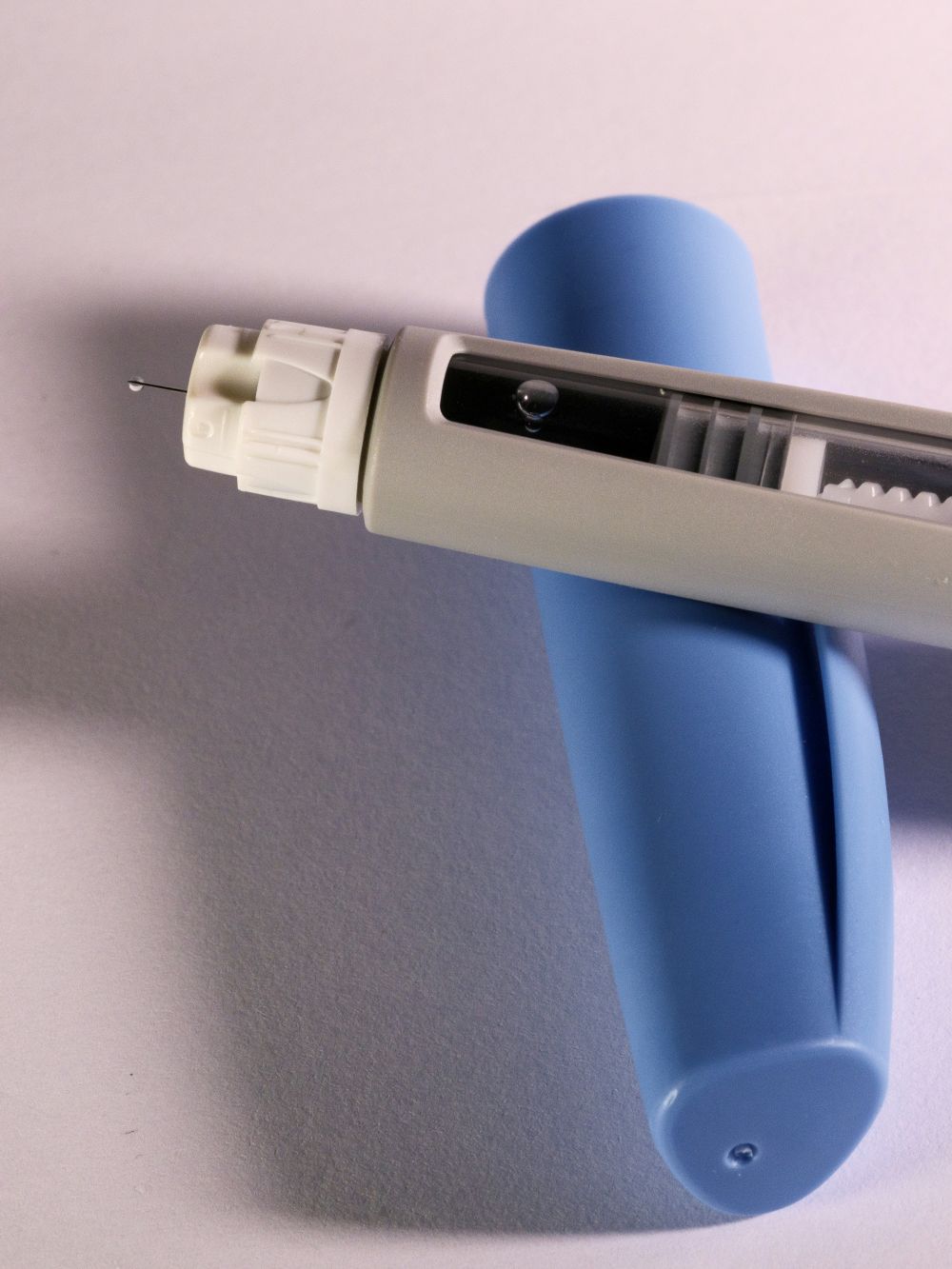
Researchers study brain effects, emotional changes, benefits, and risks tied to GLP-1 medications.
Turning to GLP-1 drugs, such as Ozempic or Wegovy, for weight loss has been a growing trend in recent years that doesn’t seem to be dying down anytime soon. Medicines such as semaglutide and tirzepatide were first made to help control blood sugar in people with diabetes, but they quickly became popular because they also help people feel full longer and eat less. However, as more and more people jump on the bandwagon, scientists are warning of the potential for serious side effects. More than just gastrointestinal issues, which are common, research now shows these drugs could influence the brain in unexpected ways that are still being explored.
GLP-1s work by copying hormones made naturally in the gut. Those hormones send signals that tell the body it has eaten enough. Digestion slows down, hunger decreases, and many people report that constant thoughts about food eventually dissipate. This change has become known as reducing “food noise,” a term often used to describe the nonstop urge to give in to meals, snacks, or cravings.
Researchers have found receptors for GLP-1 drugs in several parts of the brain. These areas are linked to memory, emotions, pleasure, and decision-making. Because of this, doctors believe the medications may affect more than appetite alone. Some patients say cravings for alcohol, cigarettes, or other addictive habits lessen while taking the drugs. Others describe feeling calmer around food and less driven by impulse.
At the same time, there are growing questions about how these medications may affect mood and emotions. Some people report feeling emotionally flat or less excited by hobbies and activities that once brought happiness. Scientists think changes in dopamine, a brain chemical tied to pleasure and reward, may play a part. Regulating sugar levels, with the help of GLP-1s, has a direct impact on the amount of dopamine spikes an individual experiences throughout the day. Still, there is no simple answer. Reactions appear to vary widely from person to person, and researchers continue to study why.
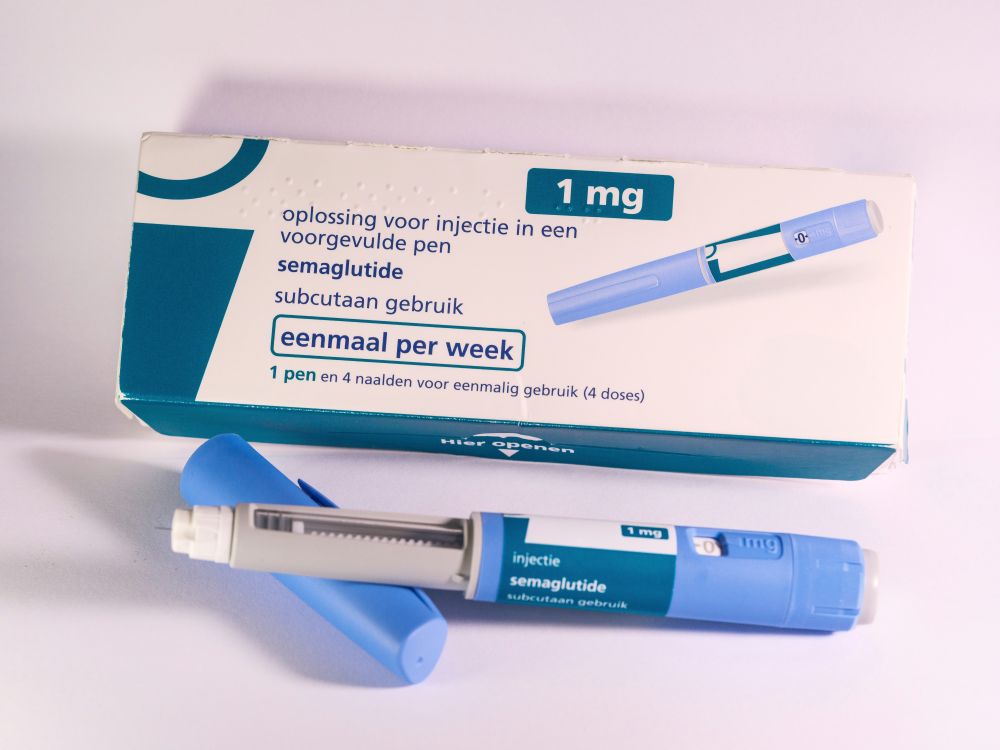
Mental health professionals are paying close attention to reports of emotional changes linked to GLP-1 medications as well. Some patients describe feeling anxious, sad, or emotionally unsettled in the days after receiving an injection. A smaller number have reported severe mood changes or unusual thoughts. While these experiences do not happen to everyone, they have raised concerns among doctors who treat eating disorders and mental health conditions.
Some treatment centers say a growing number of people are taking these medications without meeting medical guidelines. In many cases, the drugs are purchased online or obtained through sources that do not provide regular medical care. Without supervision, side effects may go unnoticed, and emotional struggles may remain untreated.
Doctors stress that psychological dependence is different from physical addiction when it comes to how the brain reacts. A person may become emotionally attached to a treatment if it brings relief from worries about weight or eating. The thought of stopping can create fear, even when unpleasant side effects are present. Thus, it’s possible for individuals to fight through these symptoms in order to stay on the drug longer due to its desirable effects. Over time, this could have a more significant influence on brain chemistry.
Federal health officials have also warned consumers about buying GLP-1 drugs from unapproved sellers. The Food and Drug Administration (FDA) has issued alerts about counterfeit products and compounded versions that may contain the wrong ingredients or incorrect doses. Poor storage conditions and weak quality controls can place consumers at risk for serious health problems.
For now, experts are saying that the medications should be treated with care and respect, and consumers should be mindful of not only the drug they’re ingesting but how it’s stored and used. It’s especially important for the needle and injection site to remain sterile during this process, as well as for the vial to be handled with care and wiped clean with an alcohol swab prior to each use. As the popularity of GLP-1 drugs fof weight loss continues to grow, understanding the short- and long-term side effects of these medications is just as important as measuring pounds lost on a scale.
Sources:
Experts warn GLP-1 weight-loss drugs may harm mental health
Join the conversation!