
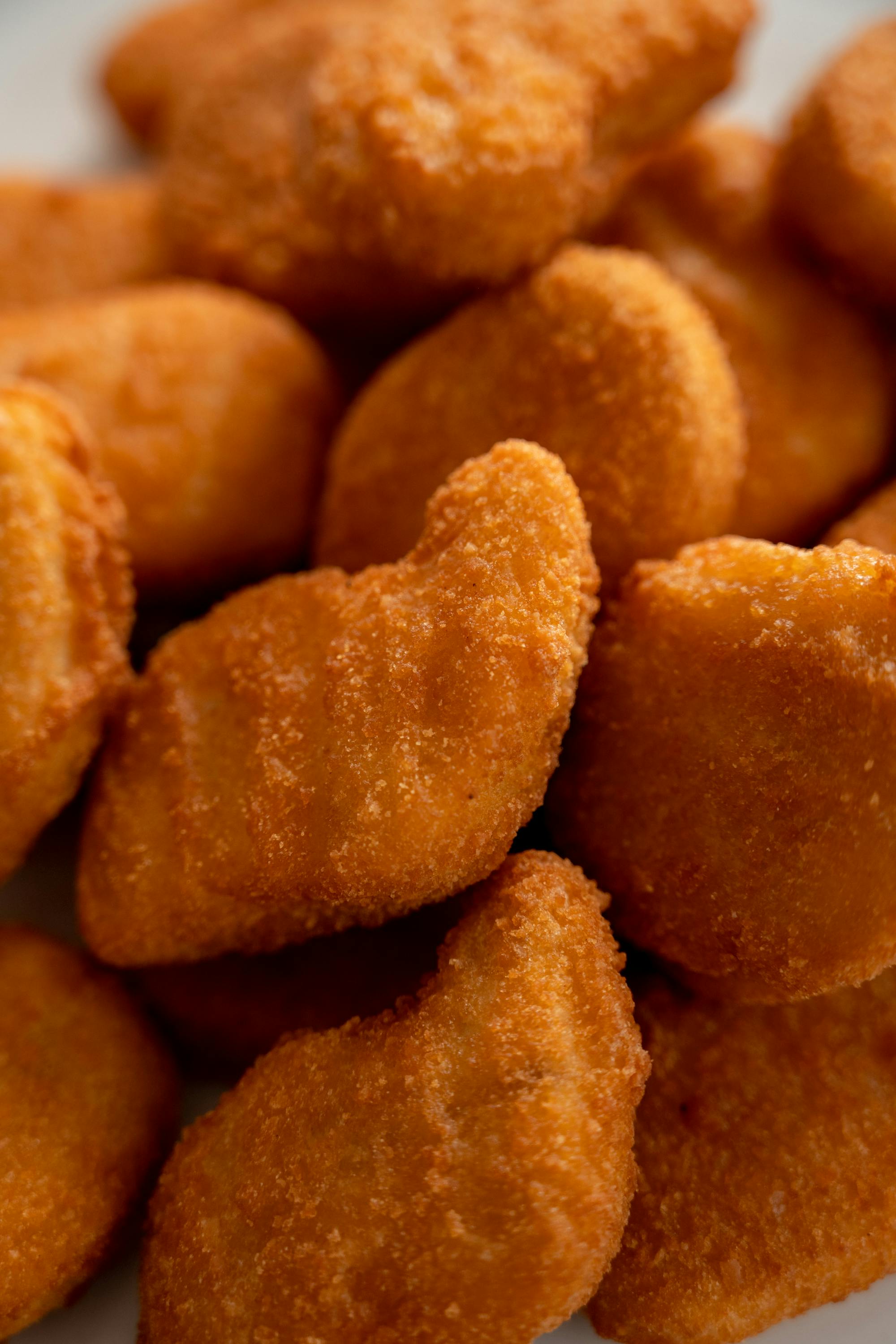
Health alert warns contaminated nuggets may still be in freezers.
Federal food safety officials have issued a warning about a popular frozen food item that may still be sitting in home freezers across the country. The alert focuses on dinosaur-shaped chicken nuggets that were sold at Walmart stores and may contain unsafe levels of lead. The notice came from the Food Safety and Inspection Service, which is part of the United States Department of Agriculture. Officials said the contaminated nuggets were found during routine testing, which showed lead levels higher than what is considered safe, especially for children. The amount detected was reported to be up to five times above the level that health experts consider acceptable.
Even though the issue is serious, no formal recall was announced. This is because the contaminated nuggets are no longer being sold in stores. However, officials believe some packages may still be stored in home freezers, which is why the public health alert was issued. The goal is to reach anyone who may still have the product and prevent it from being eaten.
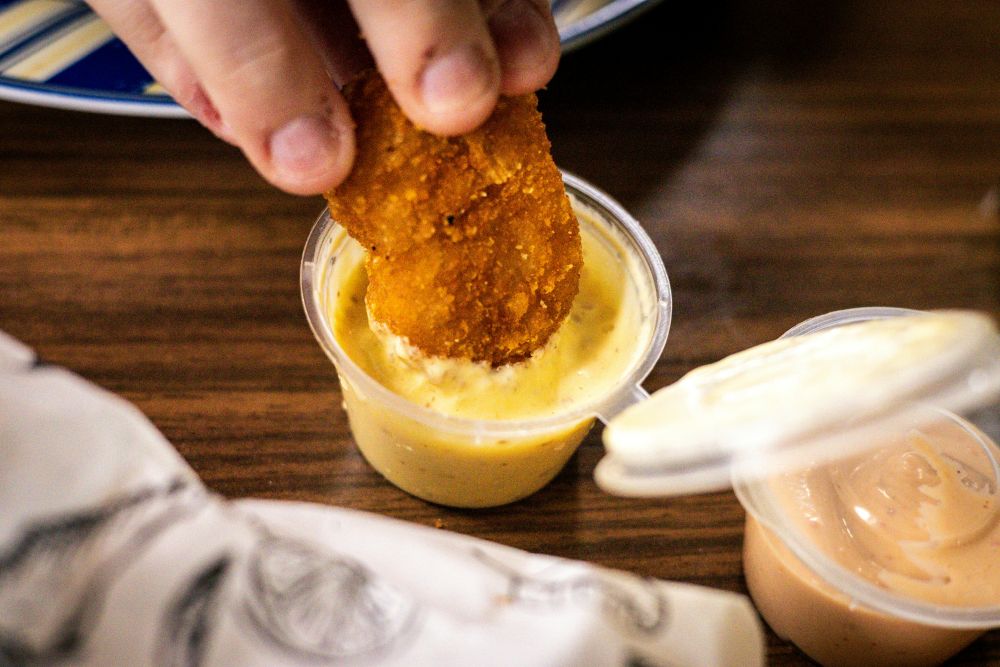
The item in question is a 29-ounce bag of fully cooked, dinosaur-shaped chicken breast nuggets sold under Walmart’s Great Value brand. The affected packages were produced on February 10, 2026, and carry a best-by date of February 10, 2027. Specific codes printed on the packaging help identify the product, allowing consumers to check if what they have matches the alert.
Health officials are asking anyone who has these nuggets not to eat them. Instead, they should be thrown away or returned to the store where they were purchased. This step is meant to reduce the risk of exposure, especially in households with children.
Lead exposure is a serious concern, particularly for younger age groups. It can affect brain development and the nervous system, leading to problems that may not go away. Pregnant women and young children are considered most at risk. Because of these dangers, health experts say there is no safe level of lead exposure.
Guidelines from the Food and Drug Administration set a reference level for lead intake, especially for children. The levels found in the contaminated nuggets go beyond that guidance, raising concern among officials. While the alert does not confirm that anyone has been harmed, it highlights the need to act with caution.
The warning also serves as a reminder about how food safety checks work. Routine testing is carried out to catch possible problems before they lead to larger issues. In this case, the testing helped identify a concern that may have otherwise gone unnoticed.
Consumers who have questions about the alert have been given contact information for a company representative connected to the product’s production. This allows people to seek more details or report concerns if needed.
Food safety alerts like this one are not uncommon, but they can still be unsettling, especially when they involve items often eaten by children. The key message from officials is simple: check freezers, avoid eating the product if it matches the description, and take steps to remove it safely.
As more attention is placed on food quality and safety, alerts like this may become more visible. They play a role in keeping the public informed and reducing risk when problems are discovered. In this case, the concern is limited to a specific product and timeframe, but the warning is being taken seriously due to the possible health effects.
For now, the focus remains on making sure the affected nuggets are not consumed and that families are aware of the issue. Officials continue to stress that quick action at home can help prevent harm, even when the product is no longer on store shelves.
Sources:
Check your freezer: USDA flags Walmart dino chicken nuggets for lead risk
Dinosaur-shaped chicken nuggets recalled over lead contamination fear
Join the conversation!