
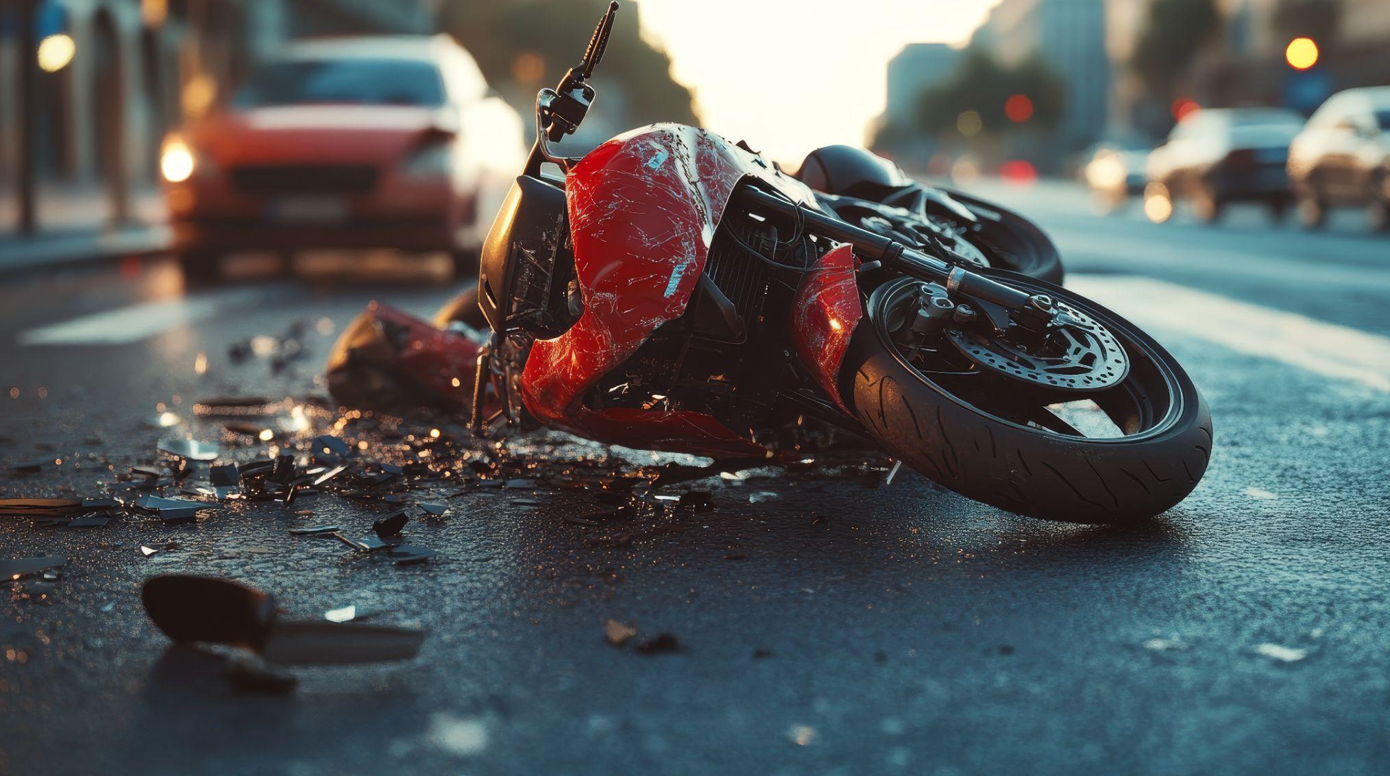
Understanding hidden risks around perception, policy, environment, and identity prepares riders for the true complexity of returning to normal after an accident.
The moment after a motorcycle crash is often described as surreal. Noise drops out, time feels uneven, and the body reacts before the mind catches up. Riders may feel disoriented, confused, or unsure how seriously they are hurt, even as traffic resumes around them.
In the aftermath, riders often seek clarity about what a motorcycle crash may mean for their health and future, sometimes choosing to speak with a motorcycle accident lawyer in New York.
Delayed Injuries That Don’t Follow a Timeline
Motorcycle accidents frequently involve injuries that don’t announce themselves immediately. Adrenaline masks pain. Shock dulls sensation. Riders may walk away believing they were “lucky,” only to discover days or weeks later that something isn’t right.
Common delayed issues include:
- Concussions and traumatic brain injuries with subtle early symptoms
- Spinal injuries that worsen as inflammation sets in
- Internal injuries not visible on initial scans
- Nerve damage that affects balance, strength, or coordination
In New York, where daily life demands movement and pace, delayed injuries can collide quickly with work expectations and financial pressure.
The Risk of Being Misunderstood
One of the least acknowledged risks riders face is perception. Motorcyclists are often judged through a lens of assumption, speeding, weaving, and taking risks, regardless of what actually happened.
This bias can quietly influence:
- How accidents are described
- How responsibility is assigned
- How injuries are taken seriously
For riders recovering from serious trauma, being misunderstood adds emotional strain to physical pain. It can also affect how support systems respond, both socially and institutionally.
Insurance Gaps Riders Don’t Anticipate
Motorcycle insurance works differently from auto insurance, and many riders don’t realize how limited their coverage may be until after an accident. Policies often carry lower limits and fewer protections, especially for medical expenses and lost income.
After a crash, riders may discover:
- Medical costs outpace coverage quickly.
- Lost income isn’t fully addressed.
- Specialized gear and custom parts are undervalued.
- Disputes arise over what qualifies as “necessary” care.
These gaps can force difficult choices during recovery, including delaying treatment or returning to work too soon.
Recovery Can Threaten Independence
For many, motorcycling is tied to independence, which can feel vulnerable after an accident. Injuries to hands, wrists, legs, or spine can affect both riding and daily tasks.
Riders may face:
- Difficulty commuting or navigating the city
- Reliance on others for transportation
- Temporary or permanent loss of riding ability
- Fear or hesitation about returning to the road
These changes are deeply personal and often underestimated by those who haven’t experienced them.
Psychological Effects Are Often Minimized
There’s an expectation that riders are resilient and accept risk. This can discourage acknowledgment of psychological effects like anxiety or sleep disturbances.
After a crash, it’s common for riders to experience:
- Heightened anxiety in traffic
- Flashbacks or intrusive thoughts
- Loss of confidence and identity
- Depression tied to lifestyle disruption
Because these injuries aren’t visible, they’re frequently overlooked, even by riders themselves.
New York’s Urban Environment Complicates Healing
Recovering in New York presents its own challenges. Dense traffic, crowded sidewalks, and limited personal space can make physical recovery more demanding. Public transportation, stairs, and long walking distances may be difficult for someone healing from orthopedic or neurological injuries.
The city’s pace doesn’t slow for recovery, and that mismatch can create constant friction between healing needs and daily demands.
Early Decisions Can Have Long-Term Impact
What riders say and do in the days following an accident can shape outcomes in ways they don’t expect. Casual statements made while in pain or shock may later be treated as definitive accounts. Gaps in medical care can be misinterpreted as a lack of injury.
These risks aren’t about blame; they’re about how systems interpret information long after the moment has passed.
The Quiet Risk of Isolation
Motorcycle communities are tight-knit, but recovery can still feel isolating. Riding groups move on. Friends assume improvement based on appearance alone. Meanwhile, financial strain and physical limitations persist.
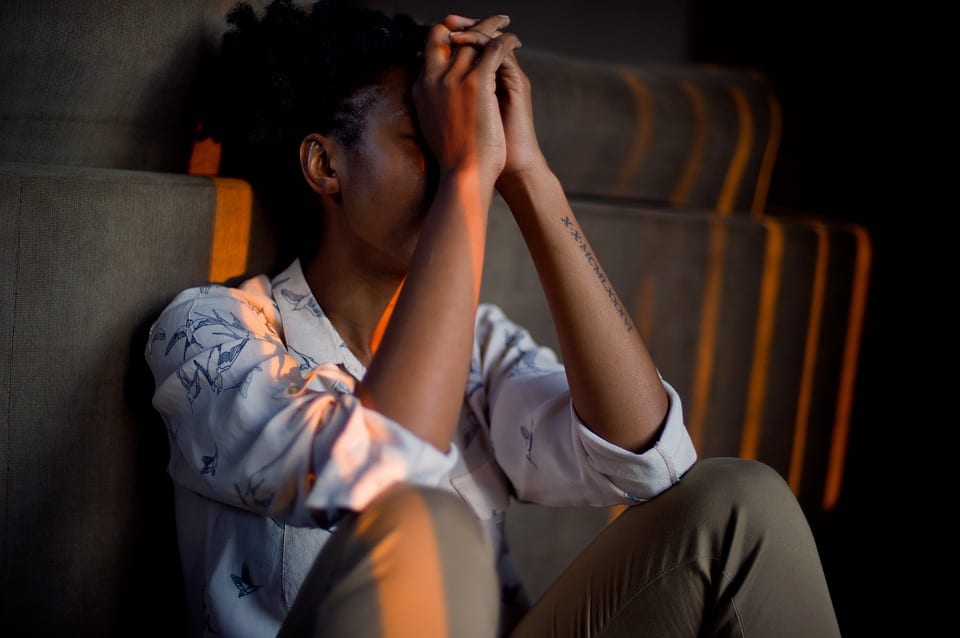
Isolation builds gradually as attention fades and normal expectations resume before the rider is ready.
Why These Risks Matter
The most dangerous part of a motorcycle accident is rarely the immediate crash. It is the series of hidden risks and challenges in the aftermath, risks that are often unrecognized until they have real consequences.
The key takeaway is that recognizing these often overlooked risks provides valuable context, helping riders and those around them better support recovery and decision-making after an accident.
Seeing Beyond the Impact
Ultimately, the main takeaway for motorcyclists in New York is that recovery extends beyond physical healing. Understanding hidden risks around perception, policy, environment, and identity prepares riders for the true complexity of returning to normal after an accident.
Join the conversation!