
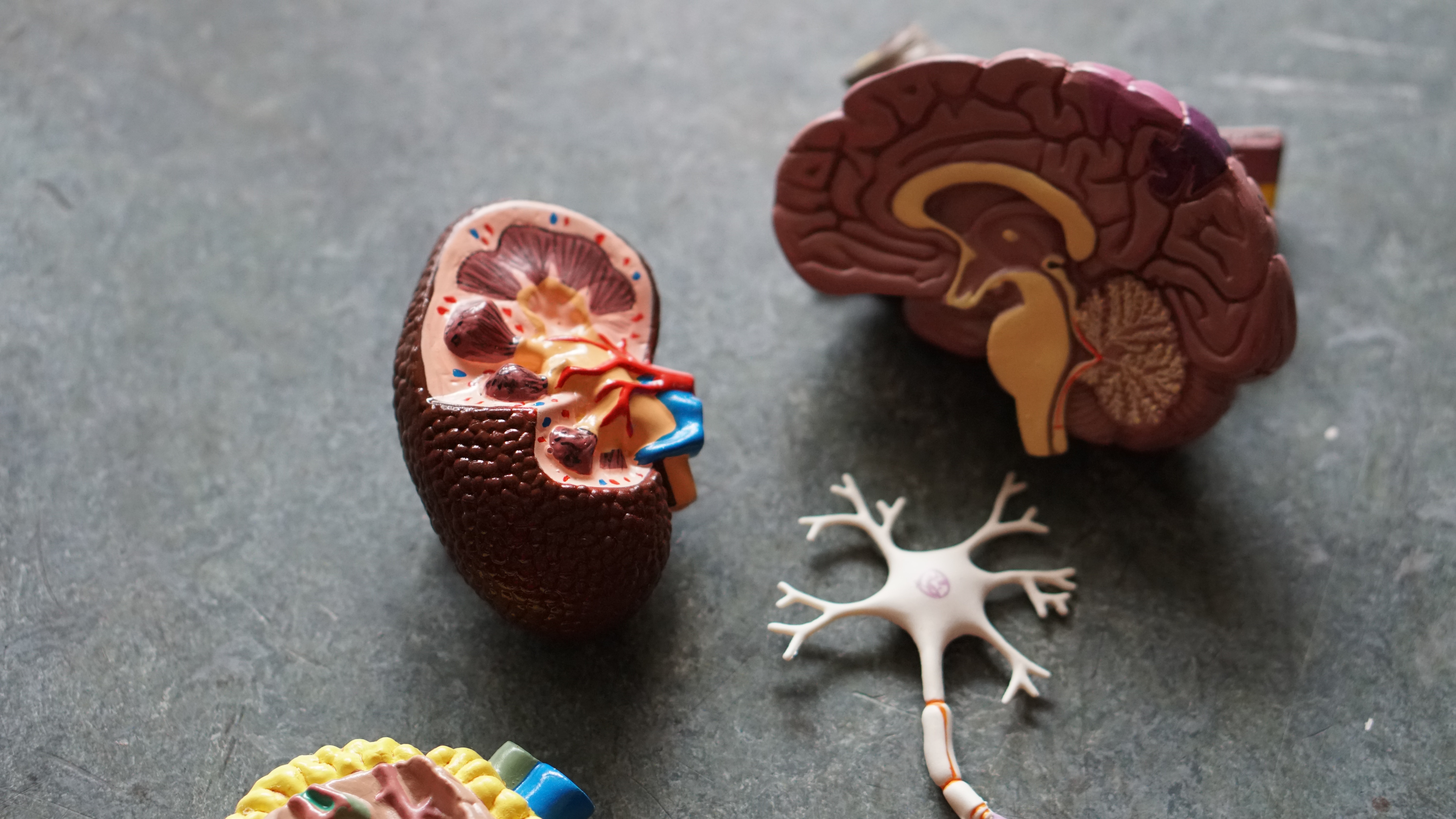
Hidden symptoms of nervous system damage after a workplace accident can affect more than one doctor visit. They can shape the paperwork after a worker returns to the job.
Nervous system damage after a workplace accident can be easy to miss, because the symptoms may feel like normal soreness at first.
After a fall, impact, crush injury, or repetitive strain at work, tingling, numbness, burning pain, weakness, headaches, memory changes, or balance problems may not show up right away.
These symptoms matter for your health, but they also matter for the injury record. Early medical notes, work reports, and symptom timelines can help show when the problem started and how it changed after the accident.
This article explains how workplace accidents affect the nervous system, how nerve injuries often go unnoticed, the hidden symptoms to watch for, reasons workers overlook them, the steps to take, and worker rights that may apply.
How Workplace Accidents Cause Nervous System Damage
Workplace accidents can damage the nervous system when force, pressure, or repeated motion injures the brain, spinal cord, or the nerves that carry signals through the body. These injuries are easy to underestimate, because the damage is often inside, where a quick “walk it off” cannot reach it.
The cause is usually mechanical. A fall can jolt the head, neck, or back. A crush injury can pinch or tear nerves in a hand, arm, foot, or leg. An electrical shock can burn them outright. Heavy lifting, twisting, tool vibration, and the same motion repeated shift after shift wear on a nerve more slowly. Depending on the force involved, a nerve can be compressed, stretched, bruised, burned, or cut.
Workers dealing with serious job-site injuries may also review resources from attorneys who handle workplace injury cases to understand how accident reports, medical records, and lost wages can become part of a claim.
Types of Nerve Injuries That Often Go Unnoticed
Not all nervous system injuries at work look the same, and each type hides in its own way. Some affect the brain or spinal cord. Others affect the nerves in the arms, hands, legs, or feet. Some build slowly, with no single accident behind them.
The first symptom may not even appear where the injury is. A back problem can send pain or numbness down a leg, far from where it started.
Central nervous system injuries involve the brain or spinal cord. After a hard impact, the early signs can look like stress or plain tiredness, so the connection to the accident can take days to surface.
Peripheral nerve injuries affect the nerves outside the brain and spinal cord, usually in one limb or one area. Because the trouble stays in a single hand or foot, it is easy to blame on a minor strain rather than nerve damage.
Repetitive-strain nerve injuries build when the same motion, tool, posture, or pressure wears on a nerve over weeks or months. With no single accident to point to, this kind of nerve damage from a workplace injury is the easiest of all to overlook.
What Is Peripheral Neuropathy?
Peripheral neuropathy means the nerves outside the brain and spinal cord are damaged or not working as they should. It can affect the hands, arms, feet, or legs. When these nerves do not send signals normally, feeling, movement, pain signals, and even automatic body functions like sweating or digestion can change.
Hidden Symptoms You Should Never Ignore
Hidden nerve damage from an occupational injury can show up in the body, in thinking and mood, and in functions a worker may not link to the accident at all. These signs do not prove nerve damage by themselves, but they are worth taking seriously when they are new, unusual, spreading, or getting worse.
Sensory symptoms may include numbness, pins and needles, burning pain, or strong sensitivity to touch, heat, or cold. Motor symptoms may include weakness, grip problems, dropping tools, trouble walking, or loss of coordination.
Brain and cognitive symptoms can also appear, especially after a fall, impact, or blow to the head. These may include headaches, dizziness, brain fog, memory gaps, confusion, light or noise sensitivity, or ringing in the ears.
The signs workers miss most are the ones tied to automatic body functions. These can include feeling dizzy when standing, sweating more or less than usual, digestion changes, or new bladder or bowel problems.
Sleep and mood changes matter too. Insomnia, unusual fatigue, irritability, or anxiety after returning to work can be part of the picture, especially alongside other neurological symptoms after a work accident.

Educational resources on how work accidents can damage the nervous system can help a worker connect these scattered signs back to the incident that caused them, instead of treating each one as a separate, unrelated problem.
Why These Symptoms Are Easy to Miss
Nerve-related symptoms are easy to miss because adrenaline can cover pain right after a workplace accident, swelling may build later, and the most obvious injury tends to grab all the attention. A worker may focus on back, shoulder, neck, or head pain and overlook smaller signs like tingling, fatigue, or a weak grip.
Many workplace accident nerve injury symptoms also feel like normal soreness after a hard fall, a heavy lift, or a long shift. It is common to return to work, push through the day, and only notice later that numbness is spreading, headaches are getting worse, or balance feels off.
Small symptoms are still worth reporting when they continue, spread, or get worse. A symptom timeline can help show when the problem started, and medical documentation can connect those changes to the accident. If the first report only mentions the most obvious pain, the record may look incomplete later.
Steps to Take If You Suspect Nerve Damage After a Workplace Accident
If nerve symptoms appear after a workplace accident, medical care comes first. Tell the doctor how the accident happened, where the symptoms started, and whether numbness, weakness, burning pain, dizziness, or memory problems have changed since the injury.
A medical provider may check strength, reflexes, sensation, balance, and range of motion. Depending on the signs of nerve damage after an on-the-job accident, testing may include imaging, an EMG, or a nerve conduction study, which measure how well the nerves and muscles send signals.
Clear records can help later. Report the injury at work, describe every symptom even if it feels small, and keep a symptom journal with dates, pain levels, body areas affected, and tasks that make symptoms worse. Save medical records, work notes, test results, and written work restrictions if certain job duties are unsafe while symptoms continue.
Use simple, accurate language when giving statements about the accident. Avoid guessing, minimizing symptoms, or saying the injury is “fine” if the problem is still changing.
Head injuries deserve extra attention here. If the accident involved a blow to the head, a fall, confusion, or memory gaps, you or a family member may also need guidance on recognizing brain injury symptoms after an accident.
Your Rights as an Injured Worker
Injured workers have rights even when symptoms show up days or weeks after the accident. The Occupational Safety and Health Administration (OSHA), the federal agency that oversees workplace safety, protects a worker’s right to a safe job, the right to report an injury, and the right to raise safety concerns without being punished for speaking up.
Those rights matter when nerve symptoms are delayed. A worker may need to report the injury, explain new symptoms, request medical records, and keep copies of work notes, test results, and written work restrictions. These records can help show what happened, what changed, and how the injury affected the worker’s job.
Workers’ compensation rules vary by state, but many work-related injuries may involve medical care, wage loss, and limits on what tasks a worker can safely do. If symptoms affect lifting, standing, gripping tools, driving, or concentration, written work restrictions can help keep the claim file and return-to-work plan accurate.
When to Seek Legal and Medical Help
Seek medical care promptly if nervous system symptoms are new, worsening, or affecting movement, thinking, or function. Signs not to delay: sudden weakness, worsening headaches, confusion, vision changes, loss of balance, spreading numbness, trouble speaking, or new bladder or bowel issues.
A medical provider can decide whether the symptoms call for an exam, testing, treatment, therapy, or follow-up. The goal is not to diagnose the injury yourself. The goal is to make sure the symptoms are checked, recorded, and compared with how the accident happened.
Legal help may matter when the injury, the record, or the way a claim is handled becomes contested. That can include an incomplete injury report, an employer disputing the accident, an insurance company questioning delayed symptoms, ignored work restrictions, or denied pay or medical care.
Hidden symptoms of nervous system damage after a workplace accident can affect more than one doctor visit. They can shape the paperwork after a worker returns to the job. Early action helps doctors get a clearer picture and maintains accurate injury records.
Join the conversation!