
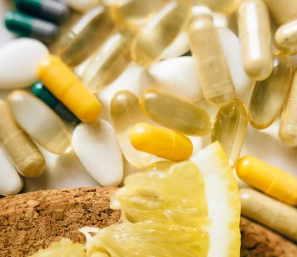
High-dose antioxidant supplements in fathers may alter offspring development.
Antioxidants are often sold as simple helpers for better health. Many people take them to fight aging, lower disease risk, or improve fertility. Bottles promise support for cells and protection from daily stress. Because they are so common, few people stop to think about whether more is always better. New research suggests that ingesting a high antioxidant intake, especially for men planning to have children, may come with risks that are not widely discussed.
Researchers at Texas A&M University studied what happens when male mice regularly consume a high antioxidant intake, particularly two supplements, N-acetyl-L-cysteine and selenium. These substances are found in many multivitamins and fertility products. They are often used to lower oxidative stress, which is the kind of cell damage linked to alcohol use, pollution, illness, and aging. The research team expected the supplements to protect sperm. Instead, they found something unexpected.
After six weeks of antioxidant use, the male mice showed no clear signs of poor health. Their weight, activity, and general condition stayed the same. However, their offspring told a different story. Young mice born to these fathers showed changes in skull and facial shape. These differences appeared even though the mothers had no exposure to the supplements. The changes were tied only to what the fathers consumed before conception.
The study focused closely on facial structure because the face and brain develop at the same time during pregnancy. Small shifts in how the face forms can point to changes in brain growth as well. Female offspring were especially affected. They tended to have smaller skulls and eyes that sat closer together than normal. These traits are also seen in children affected by prenatal alcohol exposure, which raised concern among the researchers.
The findings suggest that sperm health is more than just the ability to fertilize an egg. Sperm carries genetic material and chemical signals that help guide early development. When that material is altered, even in subtle ways, it may shape how the embryo grows. High levels of antioxidants appear to change sperm DNA in ways that affect development later on.
This idea may seem strange to people who see antioxidants as harmless. After all, they are sold without prescriptions and are often described as natural. Yet past research has shown that very high doses can interfere with normal body processes. For example, endurance athletes who take large amounts of antioxidants sometimes see weaker training results. The supplements can blunt the body’s natural response to exercise stress, which is part of how muscles grow stronger.
The same concept may apply to reproduction. Oxidative stress is not always bad. The body uses small amounts of it as a signal to trigger repair and balance. When supplements wipe out too much of that signal, systems may fall out of sync. In the case of sperm, that imbalance may affect how genes are packaged and passed on.
The researchers stressed that the issue is not with normal nutrition. Eating foods that contain antioxidants, such as fruits, vegetables, nuts, and grains, was not part of the concern. The problem appears when supplements provide far more than the body needs. Some products offer amounts that are many times higher than daily guidelines. Labels showing 500 percent or even 1,000 percent of recommended intake are common.
Many men take these products without medical advice, sometimes for general wellness and sometimes for fertility support. The study suggests that caution is wise, especially for those hoping to conceive in the near future. Taking more does not always mean gaining more benefit, and in some cases it may do the opposite.
The researchers plan to continue studying whether the offspring of those ingesting a high antioxidant intake show changes in behavior or brain function as they grow. For now, the work adds to a growing body of evidence that balance matters. Health is not about pushing one system to extremes. It is about keeping many systems working together in steady range.
For people considering supplements, the findings serve as a reminder to read labels and question high-dose products. Sticking close to recommended amounts may be safer than chasing extra protection. What seems helpful in theory can sometimes lead to harm when taken too far.
Sources:
Too many antioxidants may negatively affect future offspring
Join the conversation!