
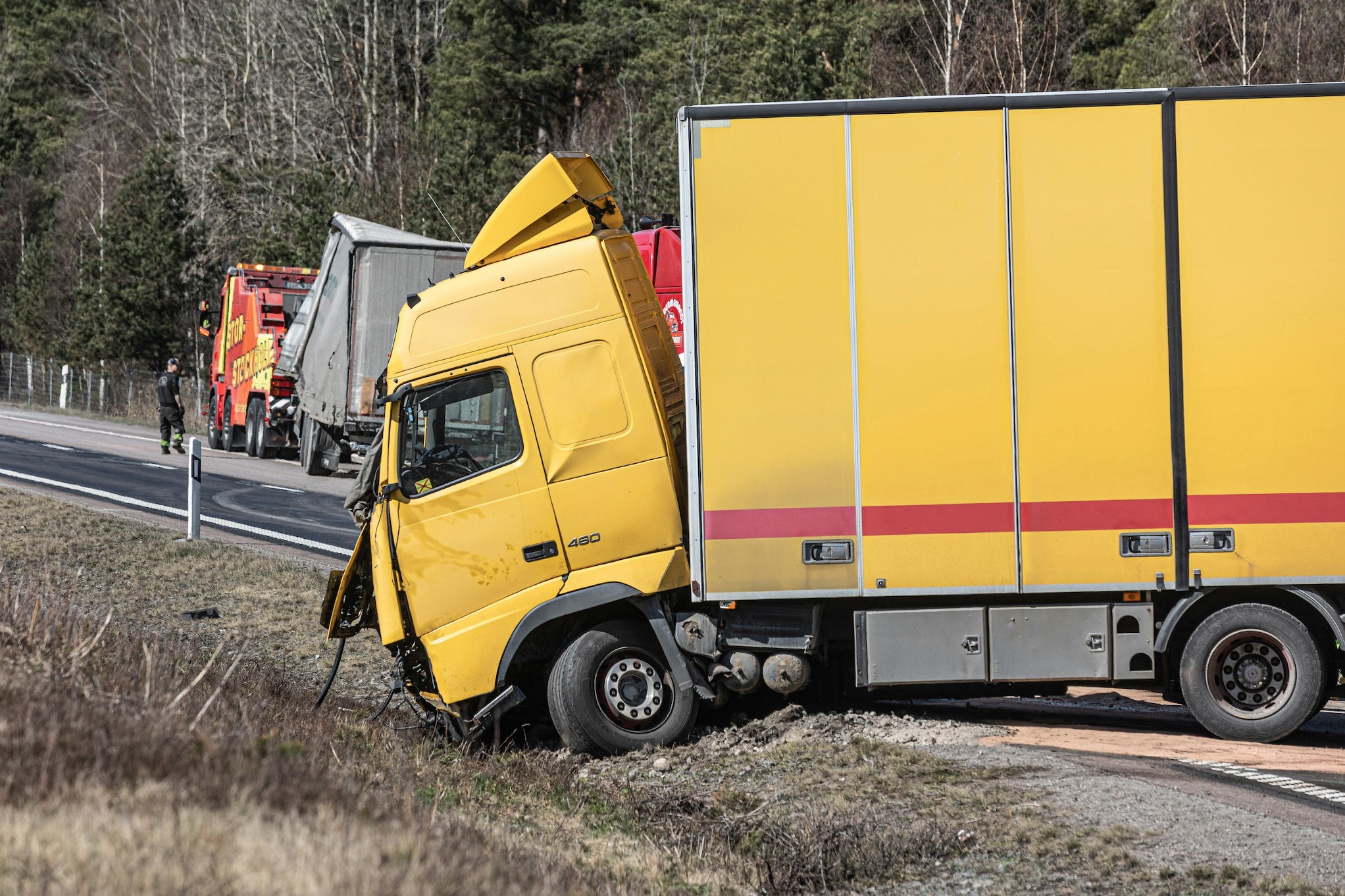
Holding responsible parties accountable requires careful investigation, an understanding of federal safety regulations, and a clear picture of how multiple parties may share liability.
Truck crashes are among the most devastating types of motor vehicle accidents, often leaving victims with severe injuries and long-term consequences. In Lafayette, where commercial trucking plays a significant role in regional commerce, these collisions can raise complex legal questions about responsibility and accountability. Understanding how liability is determined and what legal options exist is an important step for those affected by serious truck accidents.
Why Truck Accidents Are Different From Car Accidents
Truck accidents differ significantly from typical passenger vehicle collisions. The size, weight, and regulatory framework surrounding commercial trucks introduce additional layers of complexity.
The Increased Risk of Severe Injuries
Commercial trucks weigh far more than standard vehicles, which means collisions often result in catastrophic injuries. Victims may suffer traumatic brain injuries, spinal cord damage, internal organ injuries, or multiple fractures. These injuries frequently require extensive medical care and may permanently alter a person’s ability to work or live independently.
Multiple Parties May Be Involved
Unlike car accidents, truck crashes often involve more than just two drivers. Trucking companies, vehicle manufacturers, maintenance providers, and cargo loaders may all play a role. Identifying every potentially responsible party is a critical part of pursuing accountability.
Common Causes of Truck Crashes in Lafayette
Understanding why truck crashes happen helps clarify where responsibility may lie. Many accidents result from preventable issues tied to safety practices and regulatory compliance.
Driver Fatigue and Hours of Service Violations
Truck drivers are subject to strict rules governing how long they can drive without rest. Fatigue remains a major factor in truck accidents, particularly when drivers or companies push beyond legal limits to meet delivery schedules.
Improper Maintenance and Equipment Failure
Brake failures, tire blowouts, and steering malfunctions can all lead to serious crashes. Trucking companies are responsible for maintaining vehicles in safe operating condition. When maintenance is neglected, the risk of accidents increases significantly.
Unsafe Driving Practices
Speeding, distracted driving, and improper lane changes are dangerous behaviors that are especially hazardous when large commercial vehicles are involved. Evidence of unsafe driving can play a key role in determining liability after a crash.
Determining Liability After a Truck Accident
Assigning responsibility after a truck crash requires careful investigation. Liability often depends on how the accident occurred and who failed to meet their legal obligations.
The Role of Federal Safety Regulations
Commercial trucking is governed by extensive federal regulations designed to promote safety. Oversight and rule-making by the Federal Motor Carrier Safety Administration establish standards for driver qualifications, vehicle maintenance, and hours of service. Violations of these regulations can serve as strong evidence of negligence.
Employer Responsibility and Vicarious Liability
Trucking companies may be held responsible for the actions of their drivers when those actions occur within the scope of employment. This concept, known as vicarious liability, recognizes that companies control hiring, training, and supervision practices that affect safety.
The Importance of Evidence in Truck Crash Claims
Truck accident cases often hinge on detailed and technical evidence. Preserving and analyzing this information is essential for building a strong claim.
Electronic Logging Devices and Driver Records
Most commercial trucks are equipped with electronic logging devices that track driving hours. These records can reveal whether a driver exceeded legal limits or falsified logs, providing valuable insight into fatigue-related crashes.
Maintenance Logs and Inspection Reports
Maintenance records can show whether a truck was properly inspected and repaired. Missing or incomplete logs may indicate negligence and support claims against trucking companies or maintenance contractors.
Legal Options Available to Truck Crash Victims
Victims of truck accidents may have several legal avenues available, depending on the circumstances of the crash.
Personal Injury Claims Against Responsible Parties
Truck accident victims may pursue personal injury claims against drivers, trucking companies, or other negligent parties. These claims seek compensation for medical expenses, lost income, and the broader impact of injuries on daily life.
Wrongful Death Claims in Fatal Truck Accidents
When a truck crash results in loss of life, surviving family members may have the right to pursue wrongful death claims. These actions focus on accountability and financial support for families facing sudden and devastating loss.
The Value of Local Legal Knowledge in Lafayette
Truck accident claims are influenced by local courts, regional industry practices, and state specific legal standards. Local familiarity can be an important advantage.
Understanding Lafayette’s Transportation Landscape
Lafayette’s role as a hub for regional transportation means that commercial trucks are a common presence on local roads. Knowledge of frequently traveled routes, common hazards, and local enforcement practices can help clarify how accidents occur.
Support Focused on Serious Truck Injuries
People seeking support for truck crash injury victims in Lafayette often want guidance that reflects an understanding of both trucking regulations and the local legal environment. This combination can help victims navigate complex claims more confidently.
Researching Professional Backgrounds and Resources
Many accident victims take time to learn about available legal resources before making decisions. Public information can provide helpful context.
Reviewing Attorney and Firm Profiles
Some individuals consult general attorney listings to better understand experience and practice focus. For example, this Lafayette attorney profile offers background information that can help people feel more informed while exploring their options.
Preparing for Productive Consultations
Background research allows victims to ask more targeted questions about prior truck accident experience, investigative approaches, and expectations regarding timelines and outcomes. These conversations can clarify next steps during a stressful period.
Compensation After a Serious Truck Accident
Truck accidents often create overwhelming financial pressure. Legal claims aim to address both immediate costs and long-term consequences.
Economic Damages and Long-Term Costs
Compensation may include medical bills, rehabilitation expenses, lost wages, and reduced earning capacity. Severe injuries may require ongoing care, making future medical costs a critical part of any claim.

Non Economic Damages and Personal Impact
Beyond financial losses, truck accident victims may experience chronic pain, emotional distress, and loss of enjoyment of life. Compensation may also reflect the profound ways injuries affect relationships and daily activities.
Long-Term Consequences of Truck Crash Injuries
Recovery after a truck accident is often a long process with lasting effects.
Ongoing Medical and Rehabilitation Needs
Victims may require multiple surgeries, physical therapy, or assistive devices. Planning for these needs is essential when evaluating the full impact of a crash.
Effects on Employment and Family Life
Serious injuries can prevent a return to previous employment or limit future job opportunities. Families may face new caregiving responsibilities and financial strain as they adapt to changed circumstances.
Taking Steps Toward Accountability and Recovery
While no legal action can undo a truck crash, holding responsible parties accountable can play an important role in recovery.
Preserving Evidence and Acting Promptly
Preserving evidence, including vehicle data, witness statements, and medical records, helps protect legal rights. Acting promptly can prevent loss of critical information and strengthen claims.
Balancing Legal Action With Healing
Focusing on recovery while pursuing accountability can be challenging. Understanding available legal options allows victims to make informed decisions without losing sight of their health and well being.
Conclusion
Truck crashes in Lafayette often leave victims facing serious injuries, financial uncertainty, and complex legal questions. Holding responsible parties accountable requires careful investigation, an understanding of federal safety regulations, and a clear picture of how multiple parties may share liability. From identifying regulatory violations to evaluating the long-term impact of injuries, each step plays a role in pursuing meaningful accountability. By learning how truck accident claims work and taking thoughtful action after a crash, injured individuals and families can protect their rights, seek fair compensation, and begin the process of rebuilding their lives after a devastating event.
Join the conversation!