

Wyoming’s DUI per se rules place significant weight on chemical test results, yet drivers still have strong opportunities to challenge the state’s evidence.
Wyoming law takes impaired driving seriously because alcohol related crashes create danger for everyone on the road. Drivers who face DUI charges often feel overwhelmed because the legal process moves quickly and prosecutors rely on strict rules to build their cases. DUI per se limits shape the way courts evaluate evidence, so drivers need clear guidance to understand their options and prepare an effective defense strategy.
Many people choose to talk to a lawyer from Lazzari Legal because they want reliable explanations about the per se standard and how it influences every stage of a DUI case. Wyoming law treats per se violations differently from impairment-based allegations. These rules allow prosecutors to move forward even when drivers show no visible signs of impairment. A detailed understanding of these limits helps drivers protect their rights and challenge questionable evidence.
Wyoming’s Per Se Limit Creates a Strict Standard for Prosecutors
Wyoming sets a per se blood alcohol concentration limit of 0.08 for most drivers. Commercial drivers face stricter limits, while underage drivers are subject to zero-tolerance rules. Prosecutors often rely on these numbers because they provide a straightforward path to conviction. They only need to show that chemical tests recorded a BAC at or above the legal threshold.
Drivers strengthen their defense when they understand the difference between per se violations and impairment-based allegations. The per se limit focuses on test results rather than driving behavior. This distinction helps defense teams identify weaknesses in the state’s evidence, especially when the driver’s behavior contradicts the test results.
Chemical Test Procedures Create Opportunities for Defense
Chemical tests form the foundation of per se cases. Officers use breath tests, blood draws, or occasionally urine samples. Each method requires strict compliance with procedural rules. Officers must calibrate equipment correctly, handle samples carefully, and follow mandated observation periods.
Defense teams review every step of the testing process. They often request calibration logs, maintenance records, and operator certifications. Mistakes in any of these areas can produce inaccurate readings. Drivers build stronger defenses when they gather details about the testing environment, the officer’s training, and the timing of the test.
Absorption Rates Influence BAC Readings More Than Most Drivers Expect
The human body absorbs alcohol at different rates, which means a driver’s BAC rises and falls over time. A breath or blood test taken long after the stop may record a number that does not reflect the driver’s BAC at the time of driving. Defense attorneys often use this concept to challenge the state’s evidence.
Absorption rates depend on food intake, body composition, metabolic speed, and drinking patterns. Scientific testimony often plays a significant role in these cases. When drivers understand how alcohol is absorbed, they gain clarity about why the test result may not reflect their actual condition behind the wheel.
Field Sobriety Tests Offer Additional Evidence but Not Always Strong Support
Officers often rely on field sobriety tests to gather evidence before conducting chemical tests. These assessments evaluate balance, coordination, and divided attention. Environmental conditions, medical issues, footwear, and uneven surfaces all affect performance.
Defense attorneys examine the testing location, lighting conditions, weather, and the officer’s instructions. Drivers strengthen their position when they remember details about the roadside environment. Field sobriety tests frequently create room for doubt because they depend heavily on subjective interpretation.
Traffic Stop Legality Shapes the Entire Defense Strategy
Every DUI case begins with the traffic stop. Officers must have reasonable suspicion to initiate the stop. They may claim that the driver swerved, violated a traffic law, or displayed unusual behavior. Defense teams analyze the officer’s report, dashcam footage, and witness statements to determine whether the stop complied with the law.
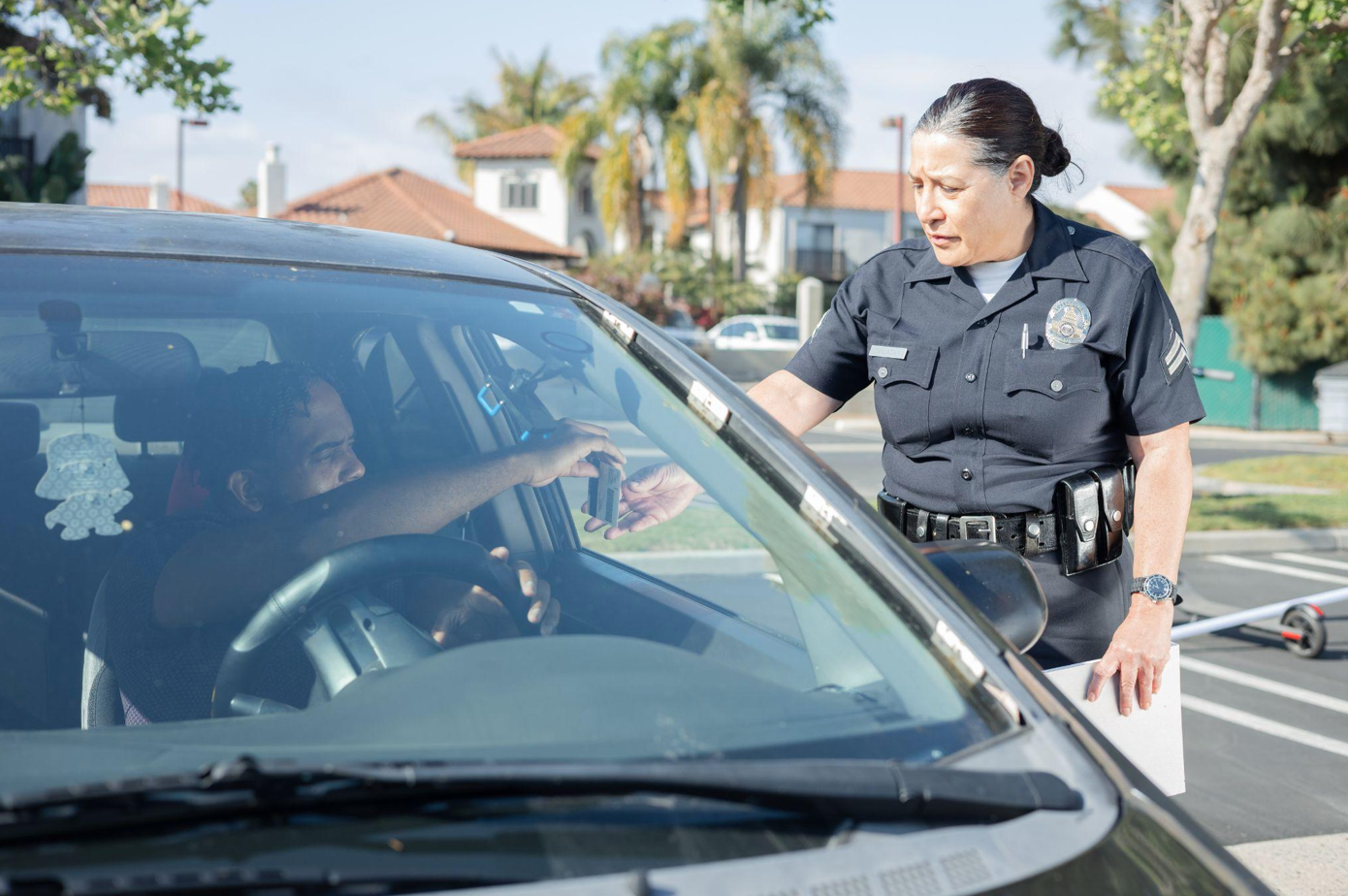
If the officer acted without proper justification, the defense can request suppression of evidence. This step may significantly weaken the prosecution’s case. Drivers benefit greatly from understanding how stop legality influences the entire process.
Officer Conduct and Documentation Play a Critical Role
Reports from the arresting officer often serve as key evidence. These documents describe observations, statements, and testing procedures. Defense teams look closely for inconsistencies, missing details, or contradictory statements. Officers must follow specific steps during a DUI investigation, and deviations from protocol often strengthen the defense.
Dash camera footage also provides valuable insight. Lighting, speech clarity, responsiveness, and motor skills visible on video can contradict the officer’s written description. Drivers should preserve all available footage when preparing their defense.
Key Insights Drivers Should Remember When Facing a DUI Per Se Charge
Wyoming’s DUI per se rules place significant weight on chemical test results, yet drivers still have strong opportunities to challenge the state’s evidence. Strategic defense planning requires detailed knowledge of testing procedures, alcohol absorption, officer conduct, and the legality of the traffic stop. Drivers gain more control over their cases when they understand these principles and gather information early.
Join the conversation!