
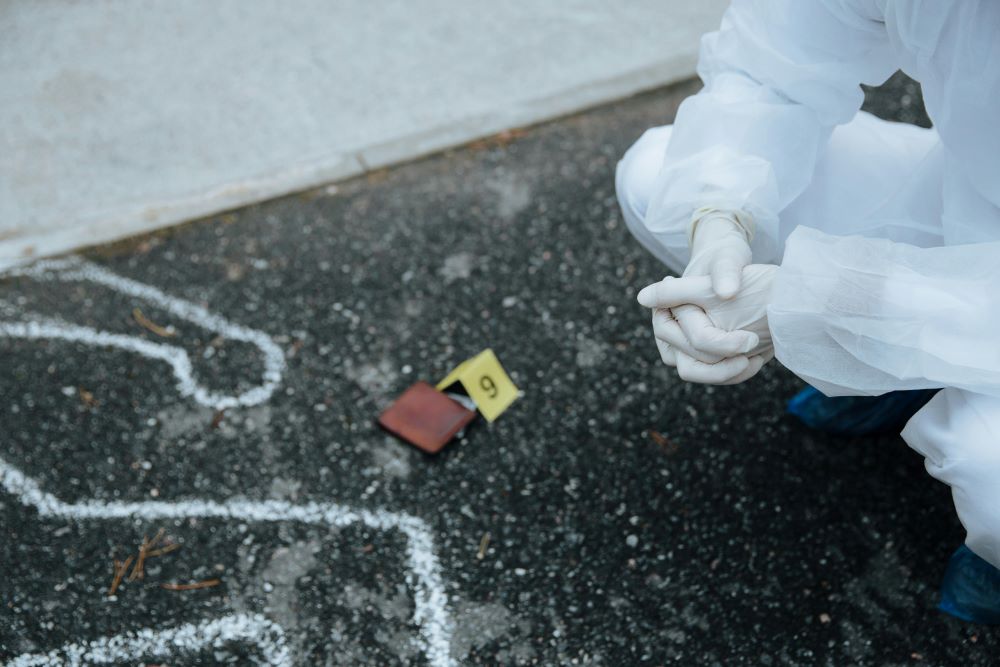
Forensic evidence remains one of the most influential elements in criminal trials, but it is not infallible.
Forensic evidence has long been considered one of the most persuasive elements in criminal trials, particularly in serious cases such as murder trials. Jurors often view scientific evidence as objective and definitive, assuming that laboratory analysis provides clear answers about guilt or innocence. However, the reality within the criminal justice system is far more nuanced. Forensic science is developed, handled, and interpreted by people, and like any human process, it is subject to limitations, error, and bias.
In high-stakes cases involving homicide charges, the reliability of forensic analysis becomes even more critical. Defense strategies frequently focus on identifying weaknesses in how evidence was collected, processed, or presented. Understanding how forensic evidence can be challenged is essential not only for criminal defense attorneys but also for anyone interested in how justice is determined in complex Nevada criminal cases.
The Role of Forensic Evidence in Modern Criminal Prosecutions
Forensic evidence plays a central role in building the prosecution’s case in many criminal prosecutions. Techniques such as DNA evidence, fingerprint analysis, and digital forensics are used to connect individuals to crime scenes or victims. These forms of physical evidence often carry significant weight because they are perceived as rooted in science rather than opinion, which can influence how juries interpret the overall case.
Despite its importance, scientific evidence is rarely as straightforward as it appears. Each type of forensic method involves methodologies that must be correctly applied and interpreted. For example, DNA testing may show a connection between a person and an object, but it does not always explain how or when that connection occurred. This distinction becomes a crucial point in criminal defense, as context can determine whether the evidence supports or undermines the prosecution’s theory.
Moreover, forensic findings do not exist in isolation. They are typically combined with witness testimony, investigative reports, and circumstantial evidence. When inconsistencies arise between these elements, the reliability of forensic results can be called into question, creating opportunities for defense attorneys to introduce reasonable doubt.
Common Types of Forensic Evidence and Their Limitations
Different forms of forensic evidence carry varying levels of reliability and acceptance within the legal community. DNA analysis is often regarded as one of the most dependable methods, yet it is not immune to issues such as evidence contamination or secondary transfer. Even small procedural errors during evidence collection or storage can compromise the integrity of samples, potentially affecting the outcome of a criminal trial.
Fingerprint identification, another widely used technique, relies on pattern recognition rather than purely objective measurement. While it has been used in courts for decades, critics argue that it involves a degree of subjectivity. Forensic experts must interpret whether patterns match, and this interpretation can vary depending on training and external influences. This subjectivity can become a focal point during cross-examination.
Other disciplines, such as ballistics analysis, firearm identification, and bite mark evidence, have faced increasing scrutiny. Questions have been raised about whether certain forensic techniques meet rigorous scientific standards. As a result, criminal defense lawyers often examine whether the methods used rely on validated science or outdated practices.
How Errors and Bias Affect Forensic Evidence in Court
Errors in forensic analysis can occur at multiple stages, from the initial crime scene investigation to laboratory interpretation. Evidence contamination is one of the most common concerns, especially in environments where multiple investigators handle materials. Even minor lapses in chain of custody procedures can introduce foreign substances that alter results.
Human error also plays a significant role. Laboratory technicians may mislabel samples, misinterpret data, or make procedural mistakes. These errors are not always immediately apparent and may only surface after a conviction, making post-conviction review critical in some cases.
Bias, whether conscious or unconscious, can further complicate interpretation. Confirmation bias occurs when analysts interpret results in a way that aligns with investigative expectations. This can affect the objectivity of expert testimony, making it essential for courts to carefully evaluate the credibility of forensic witnesses.
Legal Strategies for Challenging Forensic Evidence
Defense strategies often focus on identifying weaknesses in the prosecution’s forensic evidence. This process begins with a detailed examination of how evidence was collected and handled. Any break in the chain of custody or deviation from standard procedures can raise questions about reliability and admissibility.
Expert witnesses play a critical role in challenging scientific findings. Defense teams frequently consult independent specialists to review methodologies and provide alternative interpretations. These experts help jurors understand that forensic conclusions are not always definitive and may involve uncertainty.
Cross-examination strategies are also essential. By questioning the qualifications, methods, and conclusions of forensic analysts, defense attorneys can reveal inconsistencies. In many cases, the goal is to demonstrate that the evidence does not meet the burden of proof required for a criminal conviction.
The Impact of Forensic Challenges on Case Outcomes
Challenging forensic evidence can significantly influence the direction of a criminal case. When doubts are raised about key findings, the prosecution’s case may weaken, leading to reduced charges or dismissal. In some instances, excluding flawed evidence can leave prosecutors without sufficient support.
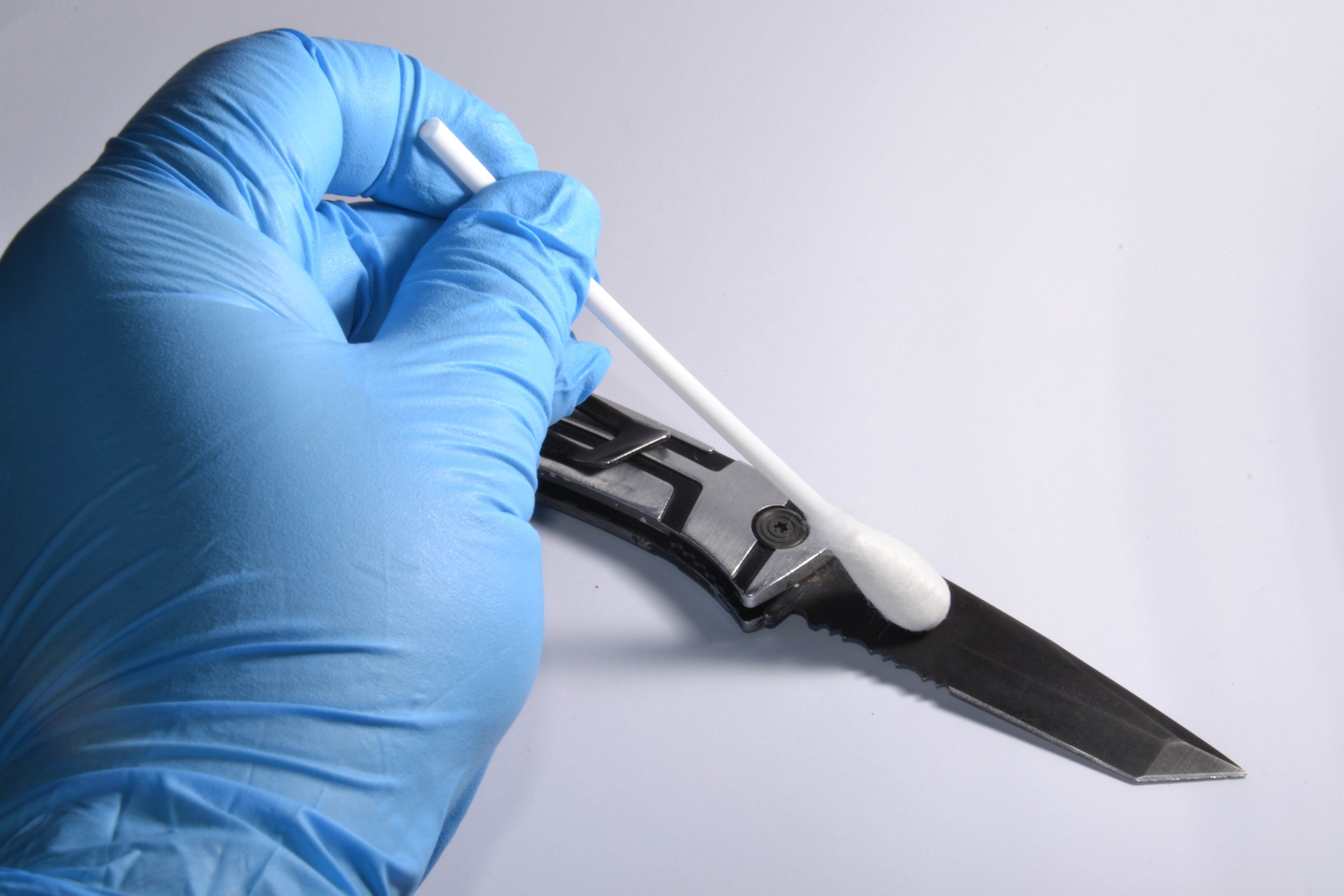
The broader implications extend beyond individual cases. Increased scrutiny has led to reforms in forensic laboratories, improved evidence handling procedures, and greater accountability. Courts are becoming more cautious about admitting certain types of scientific testimony.
Legal professionals who understand these dynamics are better equipped to navigate complex cases. Firms with experience in analyzing criminal evidence, such as The Defense Firm Criminal Law, emphasize the importance of evaluating every detail rather than relying solely on surface-level conclusions.
Conclusion
Forensic evidence remains one of the most influential elements in criminal trials, but it is not infallible. Its effectiveness depends on proper evidence collection, accurate scientific analysis, and objective interpretation. When any of these factors are compromised, the risk of wrongful outcomes increases.
Understanding the limitations of forensic science is essential for ensuring justice. Criminal defense strategies that challenge flawed evidence play a vital role in protecting the rights of the accused and maintaining fairness in the legal system.
Ultimately, a balanced approach—one that respects scientific advancements while recognizing their limits—is necessary. Careful scrutiny, transparency, and strong legal advocacy remain key to achieving fair and just outcomes in modern criminal law cases.
Frequently Asked Questions
What does it mean to challenge forensic evidence in a criminal case?
Challenging forensic evidence involves questioning how scientific evidence was collected, analyzed, or interpreted. Defense attorneys review laboratory procedures, examine potential errors, and evaluate whether the evidence meets legal standards.
The goal is to create reasonable doubt by showing that the findings may not be reliable. This process is critical in ensuring that only accurate and properly handled evidence is used in criminal prosecutions.
Can forensic evidence be wrong or misleading?
Yes, forensic evidence can sometimes be inaccurate due to human error, contamination, or flawed methodologies. Even widely accepted techniques can produce misleading results if protocols are not followed correctly.
This is why courts allow cross-examination and expert review. Understanding these limitations helps ensure that scientific findings are interpreted appropriately in the context of a criminal trial.
How do defense attorneys dispute scientific evidence in court?
Defense attorneys use expert testimony, procedural analysis, and cross-examination to challenge forensic findings. Independent experts may identify flaws in methodology or provide alternative interpretations.
Additionally, attorneys examine whether proper evidence handling procedures were followed. By exposing weaknesses, they aim to reduce the impact of the evidence and strengthen the defense in criminal cases.
Join the conversation!