
Understanding how advocacy supports investigation, evidence preservation, and fair valuation of claims helps injured victims regain a sense of control.
Serious truck accidents often leave lasting consequences that extend far beyond the crash itself. In Richmond, where commercial trucks regularly travel through busy highways and urban corridors, collisions involving large trucks can result in severe injuries, emotional trauma, and overwhelming financial pressure. Victims are suddenly faced with medical decisions, insurance challenges, and legal questions at a time when recovery should be their primary focus.
Legal advocacy plays a critical role in helping victims of serious truck accidents regain stability and clarity. Because truck accident cases are often more complex than standard car collisions, understanding how advocacy supports victims can help injured individuals make informed decisions about their next steps.
Why Truck Accidents Are More Complex Than Other Collisions
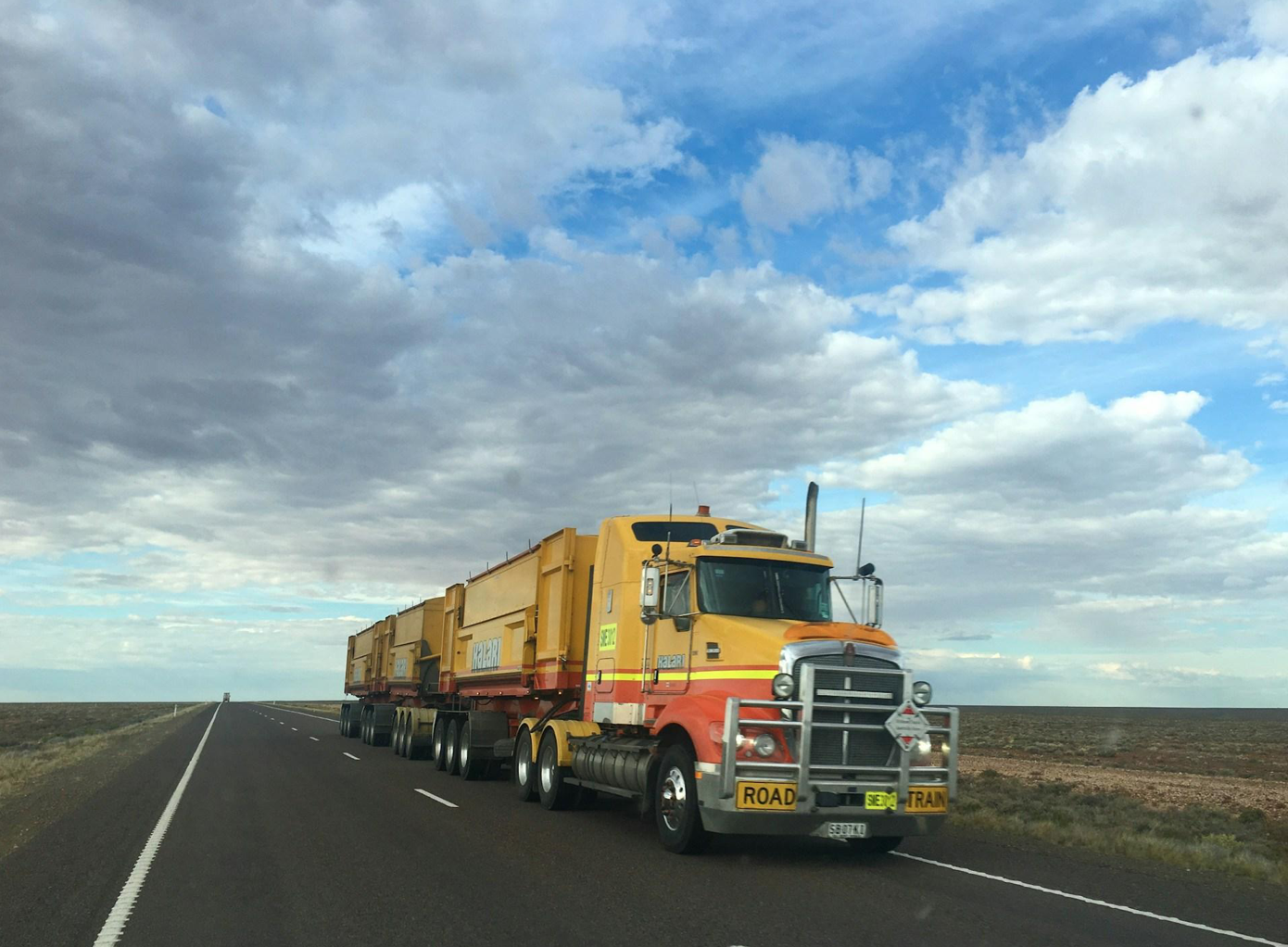
Truck accidents differ significantly from typical motor vehicle accidents due to the size, weight, and regulation of commercial vehicles.
The Severity of Truck Accident Injuries
Commercial trucks can weigh many times more than passenger vehicles. When a collision occurs, the force involved often leads to catastrophic injuries such as traumatic brain injuries, spinal cord damage, internal organ injuries, or multiple fractures. Recovery can take months or years, and some injuries result in permanent disability.
Multiple Parties May Be Involved
Truck accident cases often involve more than just the truck driver. Liability may extend to trucking companies, maintenance providers, cargo loaders, or manufacturers. Identifying responsible parties requires detailed investigation and legal knowledge.
Federal and State Regulations
Commercial trucking is governed by a complex set of regulations that do not apply to ordinary drivers. Violations of safety rules, driver hour limits, or vehicle maintenance standards can play a key role in determining responsibility.
The Immediate Impact on Victims and Families
After a serious truck accident, victims and their families face challenges that go beyond physical injury.
Medical and Rehabilitation Needs
Severe injuries often require emergency care, surgery, rehabilitation, and long-term treatment. Managing medical appointments and understanding treatment options can be overwhelming during recovery.
Financial Stress and Lost Income
Extended recovery time may prevent victims from working, creating sudden income loss. Medical expenses, rehabilitation costs, and ongoing care needs add to financial pressure.
Emotional and Psychological Effects
Truck accidents can cause lasting emotional trauma, including anxiety, depression, or fear of driving. These effects are an important part of recovery and should not be overlooked.
How Legal Advocacy Supports Truck Accident Victims
Legal advocacy helps injured individuals navigate the complex aftermath of a serious truck accident.
Investigating the Cause of the Accident
Strong advocacy begins with a thorough investigation. This may include reviewing driver logs, vehicle maintenance records, accident reports, and witness statements. In some cases, accident reconstruction experts are involved to clarify how the crash occurred.

Preserving Critical Evidence
Evidence in truck accident cases can disappear quickly. Legal advocacy helps ensure that records are preserved before they are lost or altered, strengthening the foundation of a claim.
Identifying Regulatory Violations
Understanding trucking regulations is essential. Information from the Federal Motor Carrier Safety Administration helps explain standards related to driver fatigue, vehicle maintenance, and safety compliance, which can be central to determining fault.
Addressing Insurance and Corporate Defense Tactics
Truck accident cases often involve large insurance policies and corporate defense teams.
Challenging Insurance Company Strategies
Insurance companies may attempt to minimize payouts by disputing injury severity or shifting blame. Legal advocacy helps counter these tactics with evidence and informed argument.
Valuing Long-Term Losses
Serious truck accident injuries often involve future medical care, reduced earning capacity, and permanent lifestyle changes. Advocacy ensures that claims reflect long-term needs rather than just immediate costs.
Protecting Victims From Early Settlements
Early settlement offers may not account for the full impact of injuries. Legal advocacy helps victims evaluate offers carefully and avoid decisions that could limit future recovery.
The Importance of Experience in Truck Accident Cases
Experience matters when handling the unique challenges of truck accident litigation.
Understanding Commercial Trucking Operations
Advocates familiar with trucking operations can identify safety failures and operational issues that others might overlook.
Evaluating Professional Backgrounds
Reviewing professional legal profiles related to truck accident representation in Richmond can provide insight into experience, focus, and recognition within the legal community.
Preparing for Litigation When Necessary
While many cases are resolved through negotiation, preparation for litigation is essential. Strong advocacy ensures readiness for trial if a fair resolution cannot be reached.
When Legal Advocacy Becomes Essential
Not every accident requires legal involvement, but serious truck accidents often do.
Disputed Liability or Fault
When responsibility is contested, legal advocacy helps present evidence clearly and effectively.
Catastrophic or Permanent Injuries
Cases involving life-altering injuries require careful evaluation of future needs and compensation.
Multiple Responsible Parties
Advocacy is crucial when multiple entities may share responsibility, as coordination and strategy become more complex.
For individuals seeking support from lawyers handling truck accident cases in Richmond, informed advocacy can help protect both immediate interests and long-term stability.
Common Mistakes Truck Accident Victims Should Avoid
Certain actions can unintentionally weaken a claim after a truck accident.
Delaying Medical Treatment
Waiting to seek care can worsen injuries and make it harder to document their connection to the accident.
Providing Statements Without Preparation
Recorded statements given too early may be incomplete or misinterpreted.
Underestimating Long-Term Impact
Some injuries worsen over time. Accepting early settlements without understanding future needs can create financial hardship.
Long-Term Planning After a Serious Truck Accident
Legal advocacy helps victims think beyond immediate recovery.
Planning for Ongoing Medical Care
Future surgeries, therapy, or assistive devices should be considered when evaluating compensation.
Addressing Employment and Income Changes
Serious injuries may prevent a return to previous work or require career adjustments. These factors are critical in long-term planning.
Supporting Family Stability
Truck accidents often affect entire families. Advocacy helps ensure that compensation reflects broader household impact.
Conclusion
Legal advocacy plays a vital role in helping victims of serious truck accidents in Richmond navigate one of the most challenging experiences of their lives. Truck accidents often result in severe injuries, complex liability questions, and aggressive insurance defenses that can overwhelm individuals already focused on recovery. Understanding how advocacy supports investigation, evidence preservation, and fair valuation of claims helps injured victims regain a sense of control.
Join the conversation!