
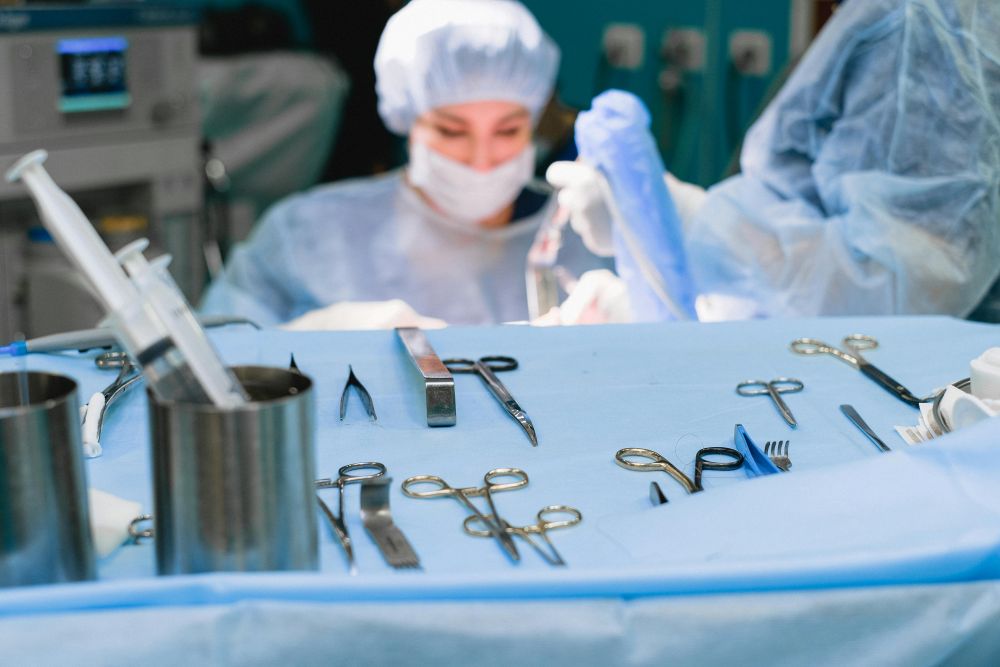
Harm caused by hospital negligence creates lasting challenges for patients and families. Legal options help restore clarity, accountability, and direction during difficult periods.
Unexpected harm during medical care can leave patients and families confused and overwhelmed. A hospital visit usually begins with trust and hope for recovery. When that trust is broken, the emotional impact can be difficult to process. Physical injuries, extended recovery periods, and financial pressure often follow. Many people struggle to understand what went wrong and why it happened. These situations raise serious questions about responsibility and next steps.
In busy healthcare environments like Miami, complex systems and high patient volumes increase risks. When avoidable medical mistakes lead to serious harm, affected individuals deserve clarity and support. Understanding available options helps people regain control after distressing experiences.
This article explains how legal options help after harm caused by hospital negligence, what signs to watch for, and what steps can guide informed decisions moving forward.
What Hospital Negligence Means in Real Life
Hospital negligence occurs when a medical facility fails to meet accepted standards of care. These failures may involve staff actions, system breakdowns, or communication gaps. In real life, these situations often appear through outcomes that feel sudden or unexplained. Patients may experience worsening conditions or new complications after treatment. Families often notice when recovery takes far longer than expected.
Common situations linked to medical care failures include:
- Delayed diagnosis or misdiagnosis leading to serious complications
- Medication errors caused by incorrect dosages or poor record-keeping
- Surgical mistakes involving the wrong sites or retained instruments
These situations affect more than physical health. Emotional stress and financial strain often follow. Recognizing these patterns helps people understand whether harm may involve negligence rather than unavoidable risk.
Recognizing When Legal Help Can Make a Difference
Not every poor medical outcome involves negligence, which makes clarity important. Legal help becomes relevant when harm appears preventable, severe, or linked to mistakes in care. Ongoing complications, unexpected procedures, or extended recovery periods can raise serious concerns. Families may sense problems when explanations feel unclear or when responsibility seems avoided. These situations create uncertainty that professional guidance can help address calmly and thoughtfully.
In such situations, speaking with a hospital negligence lawyer in Miami can help individuals understand whether their experience meets legal standards for action. Support from organizations like Alvarez Law Firm includes reviewing medical records, treatment timelines, and care decisions to identify accountability. This support helps people understand available options without pressure or assumptions. For many families, that clarity becomes an important step toward informed decisions and peace of mind.
How Legal Options Provide Support After Harm
Legal options exist to help people respond after hospital negligence causes injury or loss. These options focus on accountability, compensation, and answers. Many people believe legal processes only involve conflict, but support often begins with information. Understanding rights and responsibilities reduces fear and confusion. It also helps people decide whether to move forward or pause.
Legal options may help address several challenges:
- Recovery of medical expenses related to corrective treatment
- Compensation for lost income during recovery periods
- Recognition of pain, suffering, and long-term impact
By exploring these options, individuals gain structure during uncertain times. Clear guidance allows families to focus on healing rather than unanswered questions.
What to Expect When Working With Legal Professionals
Working with legal professionals follows a structured process designed to reduce stress. The first step usually involves reviewing medical records and timelines. This review helps determine whether hospital negligence may have occurred. Many cases resolve through discussion or negotiation rather than court proceedings. Understanding this process helps manage expectations.

Typical steps may include:
- Initial case evaluation and record collection
- Expert review of care standards and outcomes
- Communication with insurers or responsible parties
Throughout this process, professionals handle documentation and deadlines. This support allows individuals to focus on recovery. Transparency and communication help people feel informed rather than overwhelmed.
What to Do After Suspected Hospital Negligence
Taking early action helps protect both health and options. Documentation plays an important role in cases of suspected hospital negligence. Medical records, discharge summaries, and follow-up notes provide valuable context. Seeking a second medical opinion can clarify current health needs. Keeping personal notes about symptoms and expenses also helps.
Other practical steps include requesting complete medical records and avoiding rushed decisions. Speaking with professionals early helps preserve evidence and timelines. These actions do not force immediate claims but keep options open. Preparation empowers individuals during uncertain situations. Thoughtful steps create a stronger foundation for whatever decision comes next.
Conclusion
Harm caused by hospital negligence creates lasting challenges for patients and families. Legal options help restore clarity, accountability, and direction during difficult periods. Understanding these options reduces fear and uncertainty. With the right guidance, people can focus on healing and stability. Informed decisions lead to better outcomes over time. Support and knowledge remain essential parts of recovery after medical harm.
Join the conversation!