
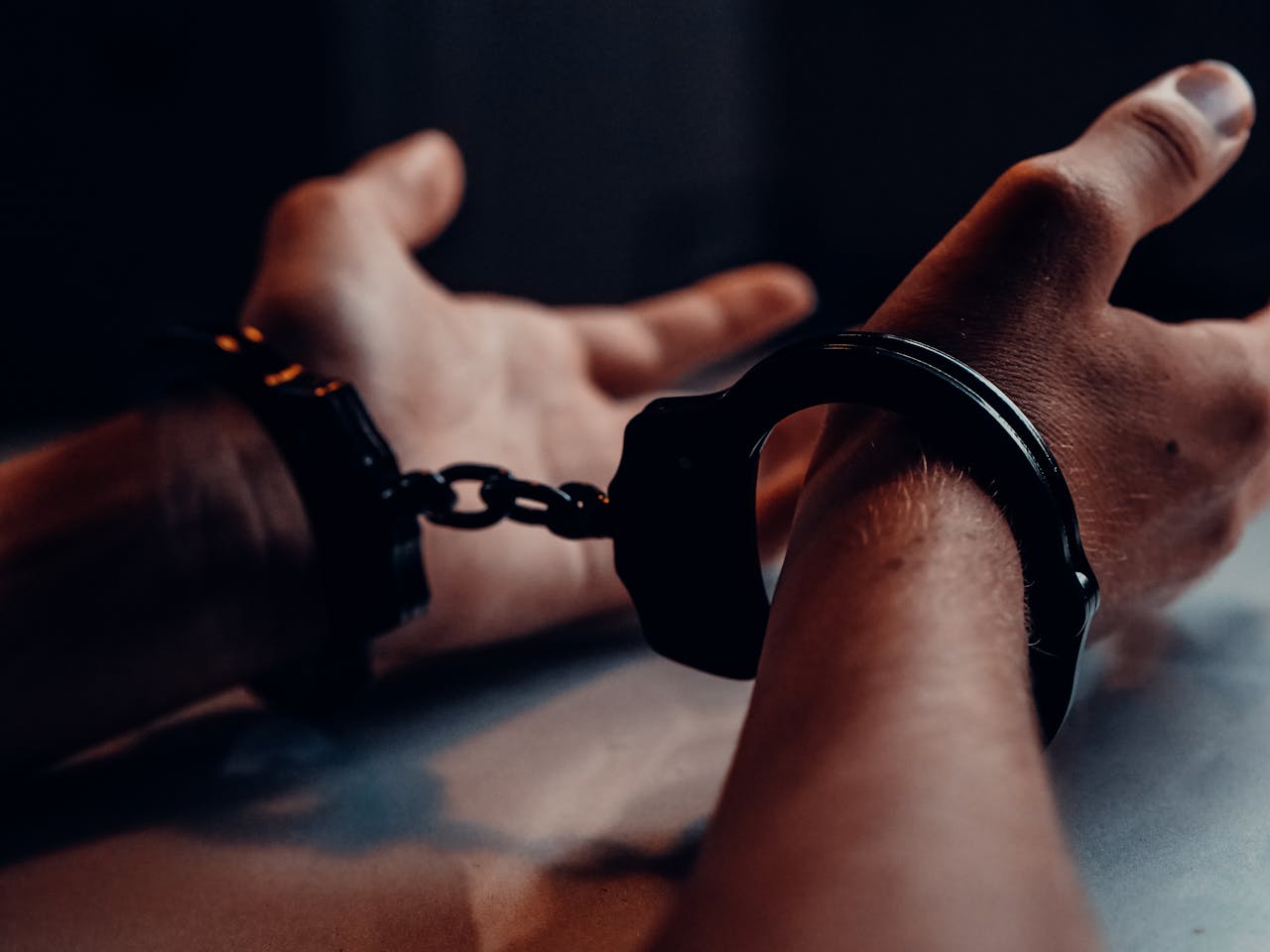
The ideal lawyer combines legal expertise, strategic thinking, and strong personal qualities to deliver effective representation.
When facing criminal charges, choosing the right legal representation can make a significant difference in the outcome of your case. Criminal law is complex, and the stakes are high. Your freedom, reputation, and future may all be on the line.
That’s why understanding the top characteristics of an ideal criminal defence lawyer is essential. The best defence lawyers combine legal expertise with strong personal qualities to effectively advocate for their clients and navigate the criminal justice system.
Here’s a list of the top 10 characteristics and why they matter:
1. Strong Knowledge of Criminal Law
An ideal criminal defence lawyer must have a deep understanding of criminal law, procedures, and case law. This includes knowledge of the Criminal Code, court processes, and legal precedents.
A well-informed lawyer can:
- Identify weaknesses in the prosecution’s case;
- Develop effective defence strategies;
- Anticipate legal challenges before they arise.
Without a solid legal foundation, it is difficult to provide effective representation.
2. Excellent Communication Skills
Communication is one of the most critical skills in criminal defence.
A strong lawyer must be able to:
- Clearly explain legal concepts to clients;
- Persuasively argue in court before a judge or jury;
- Negotiate effectively with prosecutors.
Top criminal defence lawyers are also excellent listeners, ensuring they fully understand their client’s version of events before building a defence strategy.
3. Strong Analytical and Research Abilities
Every criminal case is unique and requires detailed analysis.
An ideal defence lawyer should be able to:
- Examine evidence thoroughly;
- Identify inconsistencies in witness statements;
- Conduct in-depth legal research.
Criminal defence work involves extensive investigation, and successful lawyers never rely on a “one-size-fits-all” approach.
4. Integrity and Professional Ethics
Integrity is a cornerstone of effective legal representation.
A criminal defence lawyer must:
- Act in the client’s best interests
- Uphold ethical standards
- Provide honest advice and information (even when it’s difficult to hear)
Clients must be able to trust their lawyer completely, especially in high-stress situations involving serious allegations.
5. Confidence and Courtroom Presence
Courtrooms can be high-pressure environments. An ideal criminal defence lawyer demonstrates confidence, composure, and professionalism.
This includes:
- Presenting arguments clearly and assertively
- Cross-examining witnesses effectively
- Responding quickly to unexpected developments
Confidence not only impacts how arguments are received but can also influence negotiations and outcomes.
6. Strong Negotiation Skills
Not all criminal cases go to trial. In many situations, negotiation plays a key role.
An effective criminal defence lawyer must be able to:
- Negotiate plea agreements
- Advocate for reduced charges or lighter sentences
- Work toward outcomes that protect the client’s best interests
Skilled negotiation can significantly reduce the consequences a client faces.
7. Attention to Detail
In criminal law, even small details can have a major impact.

An ideal lawyer will:
- Review every piece of evidence carefully
- Identify procedural errors
- Spot inconsistencies that could strengthen the defence
Attention to detail can be the difference between a conviction and an acquittal.
8. Empathy and Client-Focused Approach
Facing criminal charges is often a stressful and overwhelming experience. A great defence lawyer understands this and provides not just legal guidance, but also support.
Empathy allows a lawyer to:
- Build trust with clients
- Understand personal circumstances
- Advocate more effectively
Strong lawyers recognize that clients are more than just case files, they are individuals navigating a difficult situation.
9. Experience in Criminal Defence
Experience matters, especially in criminal law.
An experienced criminal defence lawyer:
- Understands courtroom procedures
- Has familiarity with local courts and judges
- Knows how prosecutors approach cases
There is no substitute for hands-on experience when it comes to building a strong defence and achieving favourable outcomes.
10. Dedication and Persistence
Criminal cases can be complex and time-consuming. An ideal defence lawyer is committed to pursuing the best possible result for their client.
This includes:
- Thorough case preparation
- Persistent advocacy
- A willingness to challenge the prosecution at every stage
A dedicated lawyer will go the extra mile to protect their client’s rights.
Final Thoughts
Choosing the right criminal defence lawyer is one of the most important decisions you can make when facing criminal charges. The ideal lawyer combines legal expertise, strategic thinking, and strong personal qualities to deliver effective representation.
From communication and integrity to experience and attention to detail, these characteristics are essential for navigating the complexities of the criminal justice system.
If you are facing criminal charges, taking the time to find a lawyer who embodies these qualities can make a meaningful difference in your case and your future.
Join the conversation!