
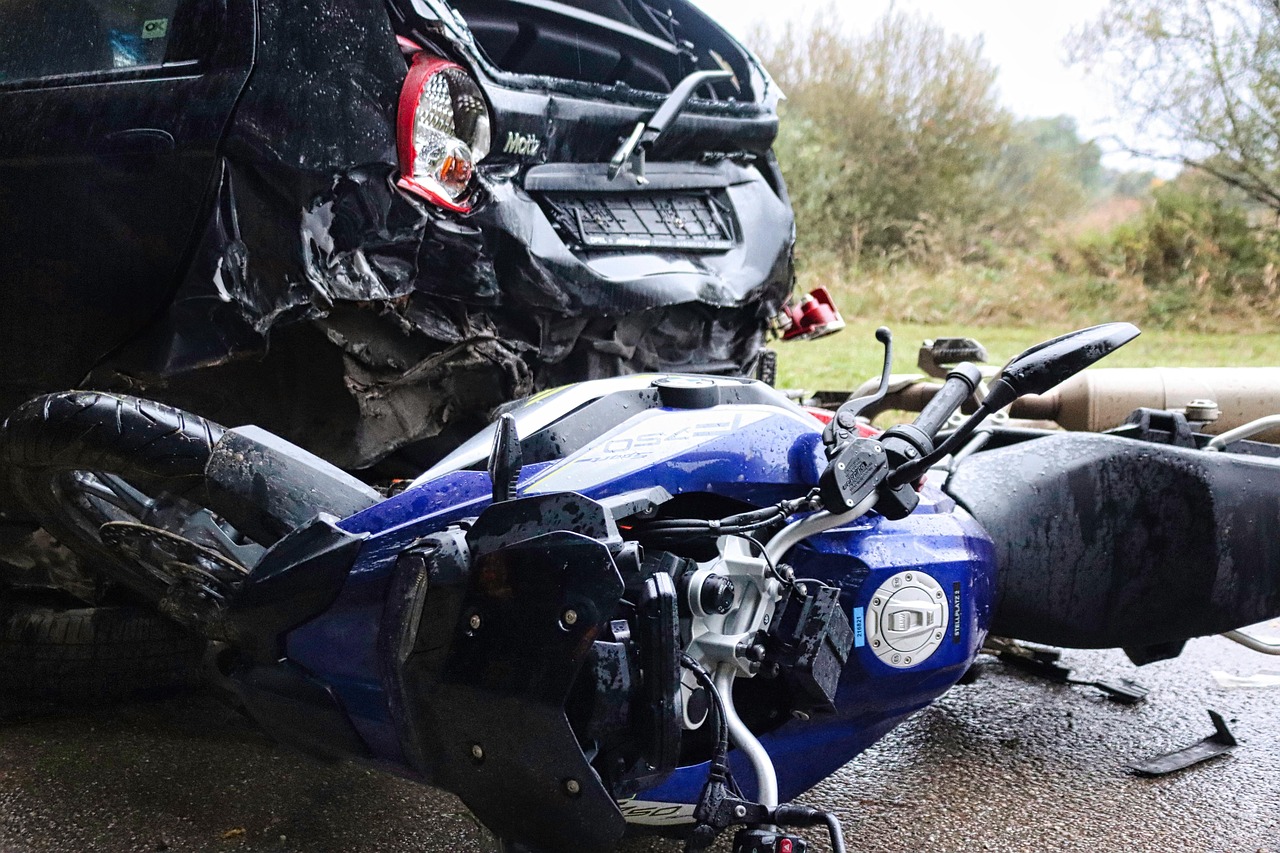
Motorcyclists are not lesser road users. Yet the traffic regulations tend to deal with them as such.
Motorcyclists take on special risks whenever they go out on the road. Having less physical protection and being more exposed, any slight collision may cause life-altering injuries. However, when there are serious motorcycle accidents, the law usually adds insult to a wound. Traffic laws were focused on cars and trucks, not motorcycles. Due to this, riders often end up being misunderstood, wrongly blamed, and undercompensated. This article discusses the failures of current traffic laws in favor of motorcyclists following severe accidents and the necessity of comparable legal awareness and change.
Traffic Laws Were Written for Cars, Not Motorcycles
Most road regulations are based on the premise that all vehicles act and safeguard passengers in a similar manner. This is a very faulty assumption. Motorcycles operate differently and take less place on the road. However, lane rules, following-distance standards, and right-of-way laws seldom mirror these distinctions.
After an accident, these car-centric rules often work against motorcyclists. Even when a rider was riding legally, they may be considered too close or hard to see. Motorcycles are vulnerable to road hazards that cars will hardly notice, including gravel, potholes, pavement cracks, etc. Yet the traffic laws do not often take this fact into consideration. Fault determinations are biased as soon as the law disregards the way in which motorcycles work.
Bias Against Motorcyclists in Fault and Enforcement
Legal failure does not stop with poorly designed laws; bias plays a role as well. Even responsible riders are stereotyped as reckless. Such assumptions might affect:
- Police officers investigating the crash
- Witnesses making statements
- Insurance adjusters processing claims
A single line in a police report suggesting excessive speed or risky behavior can follow an injured rider throughout the legal process. That initial narrative often becomes difficult to undo. Motorcyclists might have to engage in the uphill battles merely in order to be treated fairly by the law, even in cases when evidence tells otherwise.
Helmet Laws and Comparative Negligence Issues
Helmet laws vary widely across states, but their legal impact is often misunderstood. In some cases, an injured rider’s failure to wear a helmet is used to reduce compensation, even when the helmet had nothing to do with causing the accident itself.
In comparative negligence regulations, insurers can contest that injuries were self-inflicted or aggravated by helmet decisions. This diverts focus off of the careless driver who caused the accident in the first place. The result is a legal sleight of hand that penalizes motorcyclists twice, first through injury, and then through reduced recovery.
Insurance and Legal Barriers After Serious Accidents
Insurance companies are quick to exploit the gaps and biases in traffic laws. Motorcycle claims are often undervalued from day one. Adjusters may question medical treatment, downplay long-term injuries, or argue that riders “assumed the risk” simply by choosing a motorcycle.
This is where experienced legal support becomes critical. A Gainesville GA motorcycle accident law firm, for example, understands how local traffic enforcement works. Through careful investigation and effective surveillance attorneys can:
- Challenge false narratives
- Document unsafe driver behavior
- Build a case on solid facts
Strong legal advocacy helps keep insurers from cheating you by exposing weak arguments and demanding accountability.
Why Reform and Legal Advocacy Matter
The failures in traffic laws are not inevitable. They owe their existence to archaic thought and no representation of motorcyclists in policy-making. Laws can be updated to reflect modern road conditions, motorcycle dynamics, and unbiased fault analysis.

Until then, legal advocacy remains a crucial line of defense. Attorneys who understand motorcycle cases help even out the playing field. They fight against unfair implementation, confront discriminatory presumptions, and make injured riders heard in a system that was never designed for them. The key to reform is awareness as only when these systemic flaws are recognized will they be reformed.
Endnote
Motorcyclists are not lesser road users. Yet the traffic regulations tend to deal with them as such. Car-centric regulations, biased fault determinations or aggressive insurance tactics, the system repeatedly fails injured riders following serious accidents. Legal advocacy and legislative reform are both essential to meaningful change. Until then, studying these failures is vital in defending the rights of motorcyclists and ensuring the justice they rightfully deserve.
Join the conversation!