
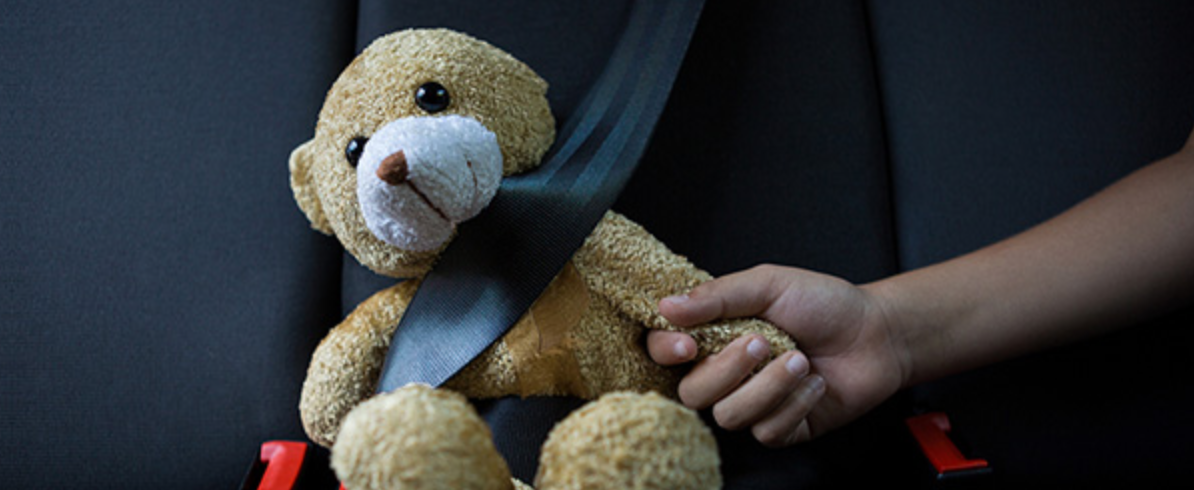
Don’t be a part of those statistics — wear your seatbelt every time you get into a vehicle.
Imagine you’ve been in an accident. Maybe an 18-wheeler sideswiped you on the highway. Maybe another car ran a red light and T-boned you. Maybe you were walking across the street, and a motorcycle turned the corner too fast and hit you.
While you weren’t responsible for this accident, it has given you severe injuries. You might even suffer negative health consequences for the rest of your life. Maybe you now have back problems or a traumatic brain injury.
Now let me, as your hypothetical lawyer, ask you a question: Were you wearing your seatbelt?
Whether or not you were wearing your seatbelt at the time of a crash can have a major impact on your personal injury case.
How neglecting to wear a seatbelt can hurt your case
Insurance companies often pay less on claims if the injured party was not wearing their seatbelt during an accident. In many jurisdictions, if you are not wearing your seatbelt, the insurance company can claim your injuries would have been less severe had you been wearing one. In my experience, insurance companies’ attorneys argue that your failure to take basic safety precautions exacerbated your injuries.
This is sometimes referred to as a kind of comparative negligence. When someone doesn’t wear a seatbelt, they are often considered as failing to have mitigated the damages. In other words, the opposition can cast doubt on the plaintiff’s case by saying they didn’t take reasonable measures to avoid getting hurt.
Consequently, the insurance company may cut your payment. If the case goes to court, then proving the full extent of your injuries becomes harder for your legal counsel. Neglecting to wear your seatbelt can even contribute to a reduction in the settlement that you are awarded.
Many states have laws intended to prevent evidence of an individual not wearing a seatbelt from coming in at trial. However, insurance companies will often try to use this argument to reduce the damages they have to pay, even when they are not supposed to. In particular, insurance companies can use these arguments to take advantage of claimants who are not represented and don’t know the relevant laws in their state.
Why everyone in the car needs to wear their seatbelts
Insurance companies’ adjusters consider whether both the driver and passengers were wearing a seatbelt to determine the damages to be paid. A passenger’s failure to wear a seatbelt is usually not an issue for the driver and, therefore, should not affect the driver’s claim for compensation against a third party.
However, in some cases, having a passenger in the vehicle who wasn’t wearing their seatbelt may have a negative effect on the driver’s ability to get full compensation from their insurance company. This depends on state laws and the specific accident details.
Similarly, if a passenger isn’t wearing a seatbelt, then that could affect their own claim for compensation from the driver or another party.
The upshot is that, whether you are driving yourself or getting a ride, wearing your seatbelt protects everyone in the vehicle. Refraining from doing so puts people at risk of subpar outcomes from personal injury litigation.
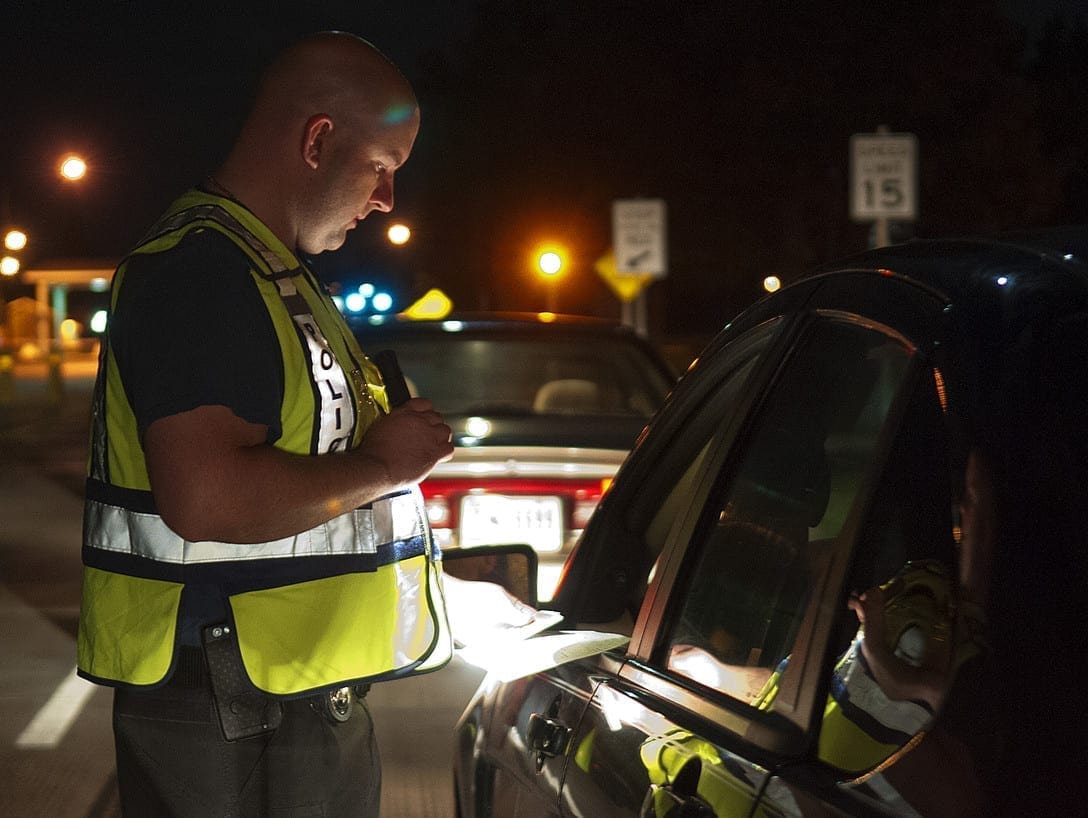
Let’s say the worst has happened, and you have gotten into a wreck while not wearing your seatbelt. Here’s what to do.
What to do if you get in an accident without wearing your seatbelt
First, get medical treatment for your injuries, no matter how minor they may seem. It is also important to inform your insurer about the accident and that you were not wearing your seatbelt at the time.
The fact that you were not wearing your seatbelt may affect your claim, but a good lawyer may still be able to help you with the comparative negligence issue and secure you the compensation you are entitled to. In some cases, the absence of a valid reason for not wearing a seatbelt (such as a medical exemption) can also be a factor.
It is always recommended to engage the services of a lawyer, especially when the accident is grave or other issues require legal interpretation.
Be safe, wear your seatbelt
All too many people get into accidents while not wearing their seatbelts, and this single fact can weaken their personal injury case.
The truth is that, litigation issues aside, you should wear your seatbelt for safety reasons alone. According to the National Highway Traffic Safety Administration, while only 8 percent of Americans don’t wear their seatbelts, this population makes up approximately 50 percent of those who lose their lives in accidents. That’s tens of thousands of people every year.
Don’t be a part of those statistics — wear your seatbelt every time you get into a vehicle.
Join the conversation!