

Illinois libraries must carry naloxone to respond quickly to overdoses.
Public libraries across Illinois are about to take on a new role that goes beyond books, computers, and quiet reading spaces. A new state law taking effect January 1 requires every public library in Illinois to keep medication on hand that can reverse an opioid overdose. The change comes after years of libraries quietly dealing with overdoses inside their buildings and responding as best they could with limited tools.
Library workers in several communities have already seen how often these emergencies happen. In Oak Park, staff members estimate they have helped save roughly 20 lives over the past decade. Sometimes the response has meant calling 911 after noticing someone unresponsive. Other times, trained staff have used naloxone, a nasal spray that can bring someone back from an overdose. Situations like these have become a regular part of the job, even though many library workers never expected to handle medical crises when they chose their careers.
Supporters of the new law say libraries are logical places to keep overdose reversal medication. Libraries are open to the public, free to enter, and often used by people who may not have steady housing or access to health care. Because they are spread across cities and towns, libraries can act as safe places where help is close by. State lawmakers also point out that naloxone is safe, easy to use, and effective when given quickly.
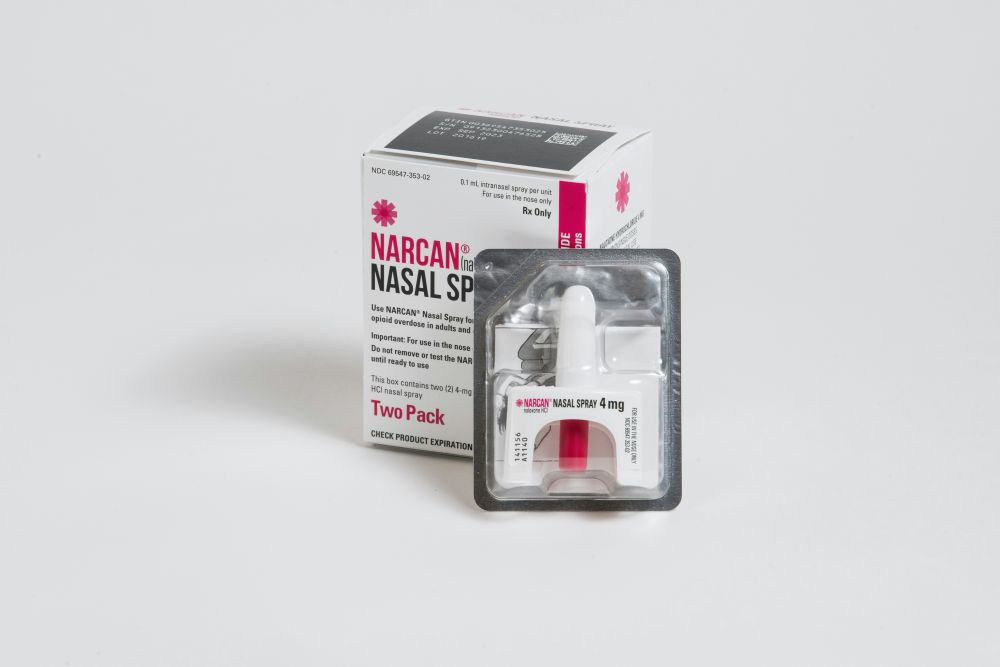
The law does more than require libraries to stock the medication. It also tells libraries to take reasonable steps to make sure at least one trained staff member is present during open hours. Training includes how to spot warning signs such as slow or stopped breathing, blue lips or fingernails, and a person who cannot be woken. Staff are taught to call 911 first and then use the nasal spray if needed. The goal is not to replace emergency responders, but to keep someone alive until help arrives.
Many libraries were already moving in this direction before the law passed. Some have placed red boxes filled with naloxone near entrances so anyone in the community can take it. Health departments often restock these boxes several times a week, showing how often the medication is used. In some locations, overdoses happen a few times each year, often in restrooms. While not every library has had to use naloxone, staff say having it nearby brings peace of mind.
The idea for the statewide requirement started with a student who loved spending time at libraries and wondered why overdose reversal medication was not available everywhere. After sharing the idea with a local lawmaker, the proposal grew from a local thought into a statewide rule. Lawmakers say the change should not create a financial burden, since free medication and training are available through state programs.
Library leaders across Illinois say the law reflects reality. Libraries already serve as warming centers, cooling centers, study halls, job search hubs, and meeting spaces. Adding overdose response to that list is seen as another way libraries support community safety. Even in places where naloxone has never been used, directors say it belongs in the same category as first aid kits or defibrillators: tools that are hoped to never be needed but could save a life if they are.
As opioid overdoses continue to affect families across the state, libraries are becoming quiet but important partners in prevention and response. By keeping naloxone on hand and training staff to act quickly, libraries are stepping into a role shaped by compassion, practicality, and the simple belief that every life is worth protecting.
Sources:
New law requires libraries to carry opioid OD reversal med
Illinois Libraries Now Mandated to Provide Overdose Medication
Join the conversation!