
Kentucky moves to ban addictive kratom byproduct 7-OH to curb overdoses.
Kentucky officials are preparing to classify a highly addictive form of kratom as a Schedule I drug, marking a major shift in the state’s approach to regulating herbal stimulants. The move comes amid growing concern about addiction and substance misuse. Gov. Andy Beshear’s administration announced that 7-hydroxymitragynine, also known as 7-OH, will soon be listed alongside drugs such as heroin, LSD, and fentanyl, making it illegal to sell, possess, or distribute in any isolated or concentrated form.
Kratom is a plant-based product often used for energy or pain relief, but some of its components act on the same brain receptors as opioids. While small amounts may produce a mild stimulating effect, concentrated forms of 7-OH are considered addictive and dangerous. The governor said this action is part of ongoing efforts to reduce overdose deaths and prevent the spread of drug-related health problems across Kentucky.
In a statement released by Beshear’s office, the governor emphasized the state’s progress in curbing overdose deaths over the past three years and said that maintaining that momentum requires a tough stance on substances like 7-OH. “Deadly and addictive drugs like 7-OH have no place in our communities,” Beshear said, noting that stronger enforcement could help keep Kentuckians safe and support continued declines in drug-related fatalities.
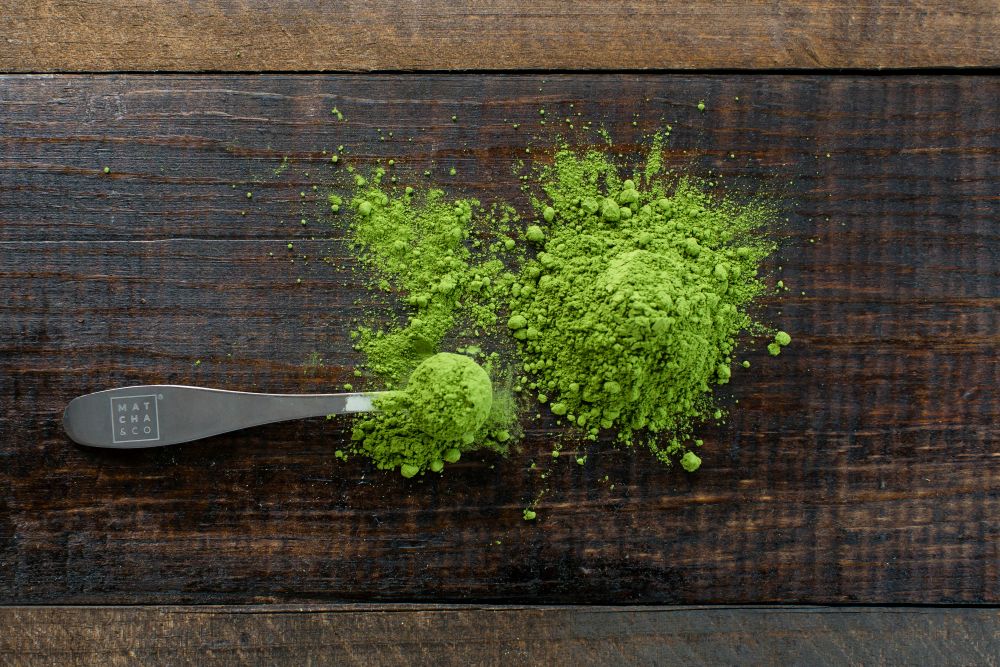
Public health leaders explained that although 7-OH occurs naturally in kratom leaves, the amount is minimal. Problems arise when the compound is extracted and concentrated into shots, powders, and capsules, which heighten its potency and addictiveness. Officials described these products as a growing concern, warning that easy access and aggressive marketing have allowed misuse to spread, particularly among young adults seeking legal highs.
Kentucky’s health department is working with the Cabinet for Health and Family Services to formalize the scheduling process. Once classified, 7-OH will be treated as a controlled substance under state law, meaning that possession or distribution could lead to criminal charges. The agency is also coordinating with law enforcement to identify illegal products already on the market. State leaders said the decision reflects an urgent need to get ahead of new substances that contribute to addiction and overdose deaths.
This action follows Beshear’s earlier decision in August to issue an emergency order banning bromazolam, sometimes called “designer Xanax,” another addictive synthetic drug linked to overdose deaths. By treating 7-OH the same way, the administration hopes to stop the sale of concentrated kratom derivatives before they become more widespread. Health experts in the region have supported the decision, saying it could prevent further strain on hospitals and addiction treatment centers already managing high caseloads.
Kratom itself remains legal in Kentucky, and some users and retailers argue that banning specific components may unfairly target those who use the plant responsibly. However, addiction specialists say the public health risks of unregulated concentrated products outweigh potential benefits. They point to growing evidence that potent kratom extracts can trigger withdrawal symptoms similar to opioids, suggesting the compound’s addictive potential has been underestimated.
The state’s decision also reflects national trends. Several other states have begun regulating kratom or its byproducts as stimulant misuse increases. Public health officials are calling for more research into the safety and long-term effects of kratom use, especially as new synthetic versions enter the market. Many experts agree that stronger oversight is needed to prevent further harm while ensuring consumers understand the risks associated with these products.
As Kentucky takes steps to restrict 7-OH, state leaders say the focus will remain on protecting public health and reducing addiction-related illnesses. The move underscores how quickly the landscape of emerging drugs can change and how states are adapting their policies to keep pace with evolving threats.
Sources:
Addictive kratom byproduct could become a Schedule I drug in Kentucky
State health cabinet to ban sale and possession of ‘dangerous’ kratom derivative
Join the conversation!