

Wisconsin Attorney General Josh Kaul argued that these changes could worsen existing shortages of critical health care workers by making it more difficult for many students to afford getting an education.
Two dozen states are suing the Trump administration over its recent decision to exclude nursing degrees from professional student loan allowances.
According to Wisconsin Public Radio, President Donald Trump’s signature “One Big Beautiful Bull Act” redefined what constitutes a professional degree. The bill also placed lower borrowing caps on non-professional graduate programs, meaning that qualifying students are now entitled to less aid.
The multi-state lawsuit was filed in a Maryland-based federal court on Thursday.
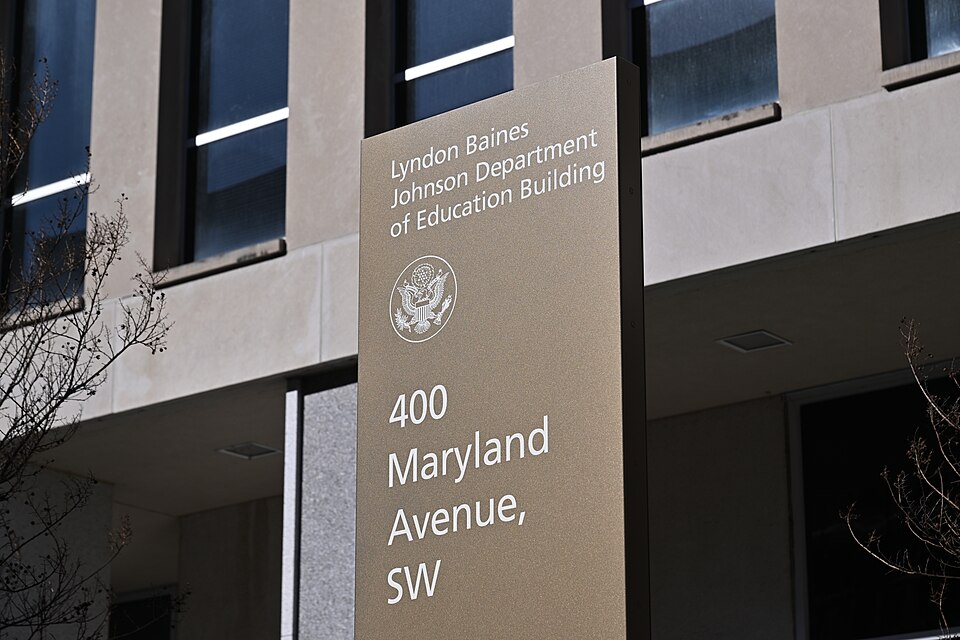
In it, the Democratic attorneys general behind the case claimed that the Department of Education is now attempting to impose restrictions beyond what Congress authorized in the One Big Beautiful Bill Act. The agency has, for instance, determined that certain degrees—including those from nursing, physician assistant, and physical therapy programs—do not meet the revised criteria for professional-level loan assistance.
Nursing students, among others, will now be categorized as graduate students. Graduate students can take out about $20,500 per year in federally-subsidized loans, whereas students enrolled in designated professional programs can take out about $50,000.
Wisconsin Attorney General Josh Kaul argued that these changes could worsen existing shortages of critical health care workers by making it more difficult for many students to afford getting an education.
“We should be supporting the development of the health-care workforce,” Kaul said in a statement. “But this rule would make it harder for some to be able to pay for certain degree programs, including those for nurse practitioners and physician assistants.”
WPR notes that the Trump administration’s changes reflect the prevailing conservative attitude that unpaid student loans are a primary cause of high tuition costs.
“The consensus language agreed upon by the negotiators today will help drive a sea change in higher education by holding universities accountable for outcomes and putting significant downward pressure on the cost of tuition,” said Nicholas Kent, the Department of Education’s undersecretary of education.
In a separate statement, California Attorney General Rob Bonta, a co-plaintiff in the lawsuit, said that the Trump administration’s new rule is patently illegal.
“Across the nation, healthcare systems are underwater, with doctors, nurses, and other health professionals stretched to meet the needs of their communities. Nurses, physician assistants, and other health professionals are absolutely vital to keep our healthcare system running,” said Bonta said. “Now, the Trump Administration is threatening to make this crisis even worse by limiting students’ access to the federal student loans that make it possible to pursue the professional degrees needed for critical specialized work. This is not only illegal — it further strains an already strained system and threatens to reduce Californians’ access to medical care. We’ll see the President in court.”
Sources
Wisconsin joins lawsuit after nursing degrees redefined as not ‘professional’
Join the conversation!