
Supreme Court Tariff Ruling Opens Refund Claims for Importers
Although the tariffs have been declared unlawful, refunds are not automatic.

Although the tariffs have been declared unlawful, refunds are not automatic.
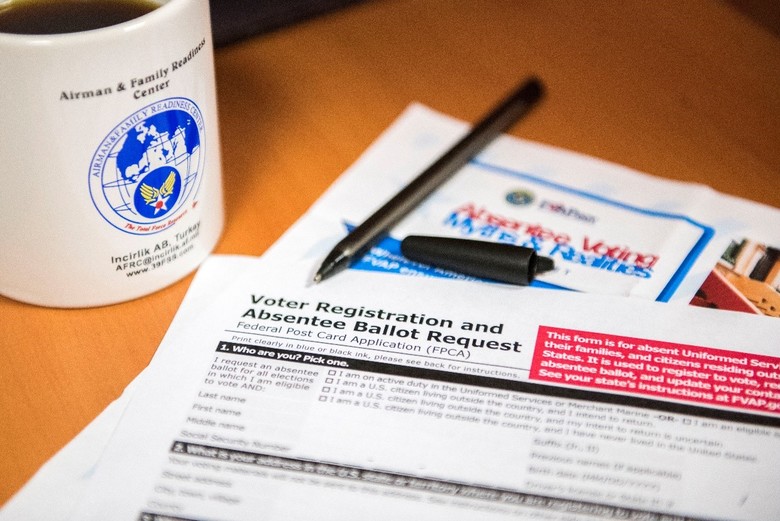
The Wisconsin Elections Commission, in contrast, claims that it has already provided publicly-available data for more than 3.6 million registered voters. It has also challenged the Justice Department’s legal argument, saying that nothing in the Civil Rights Act of 1960 provides the Trump administration with the power to forcibly requisition confidential information from individual states.
“The Constitution does not allow the government to wield its enormous power to punish a company for its protected speech. No federal statute authorizes the actions taken here. Anthropic turns to the judiciary as a last resort to vindicate its rights and halt the Executive’s unlawful campaign of retaliation,” Anthropic said in the 48-page lawsuit.
“That law authorizes tariffs in limited circumstances, including when there are “large and serious balance-of-payments deficits,’” Tong’s office said in a statement. “Notably, a trade deficit is not a balance-of-payment deficit, meaning that once again the President is acting unlawfully.”

In the lawsuit, Kaul and his fellow attorneys general argue that the “president has no authority to impose tariffs” under the statute President Donald Trump cited in the Trade Act of 1974. This statute authorizes tariffs, but only under limited circumstances, stipulating that it “cannot be invoked merely to address trade deficits on their own.”

“The law was clear, but it was never enforced,” the lawsuit alleges. “Shortly after the deadline to divest passed, President Trump issued an executive order purportedly granting an extension for TikTok to find a domestic owner and directed his Attorney General not to enforce the law.”
The Trump administration has filed a lawsuit against New Jersey after state officials refused to provide private voter information, including addresses, driver’s license numbers, birth dates, and Social Security numbers. According to The New Jersey Monitor, the lawsuit represents the latest escalation in the administration’s continued efforts to obtain state-level voter information. The federal government

“It would have a devastating impact, not only on the individuals like you mentioned but their livelihoods because having a commercial license is a requirement of their jobs, but also it would impact their families, the communities that they serve, as well as the larger state and if not the country, because they’re providing essential services,” Asian Law Caucus attorney Katherine Zhao said in a Wednesday hearing.
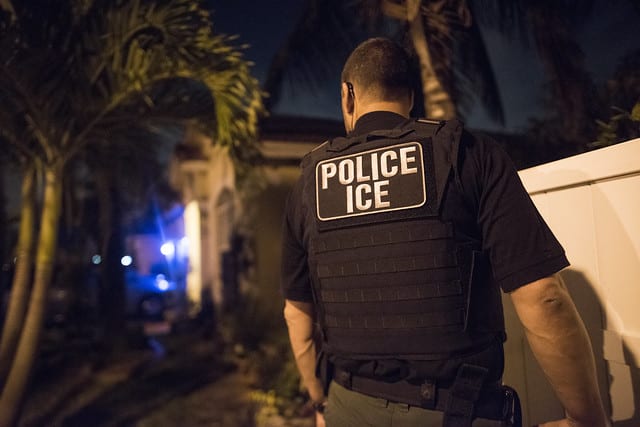
“What I think the federal government needs to be focused on right now, instead of attacking states like New Jersey working to keep people safe, is actually training their ICE agents,” newly-elected New Jersey Gov. Mikie Sherrill said.
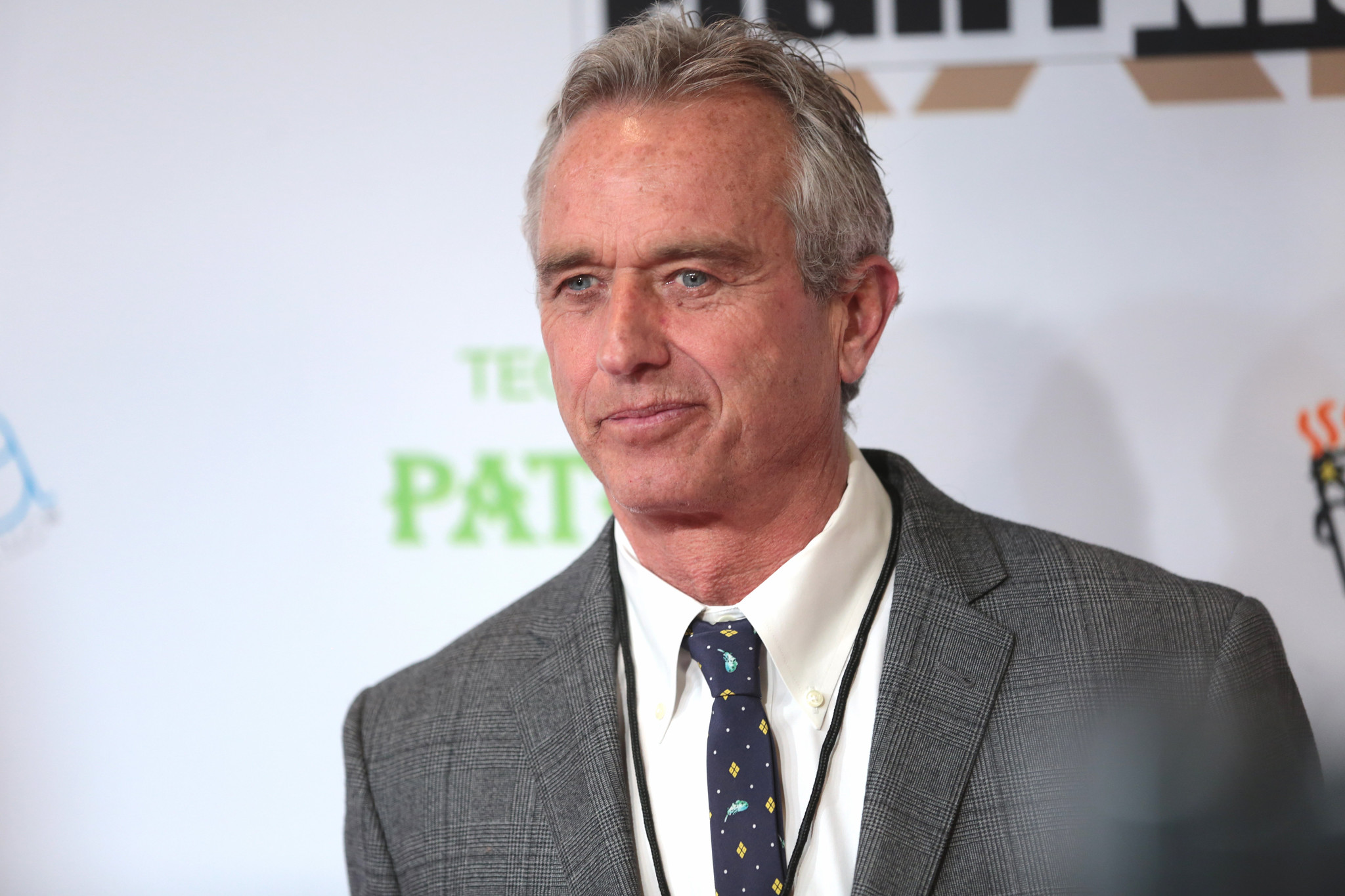
Since then, Kennedy has appointed a number of new members to the panel. California alleges that, of the 13 current members, at least nine lack the qualifications and required experience necessary for their positions. A majority have also expressed anti-vaccine views that broadly align with Kennedy’s.