
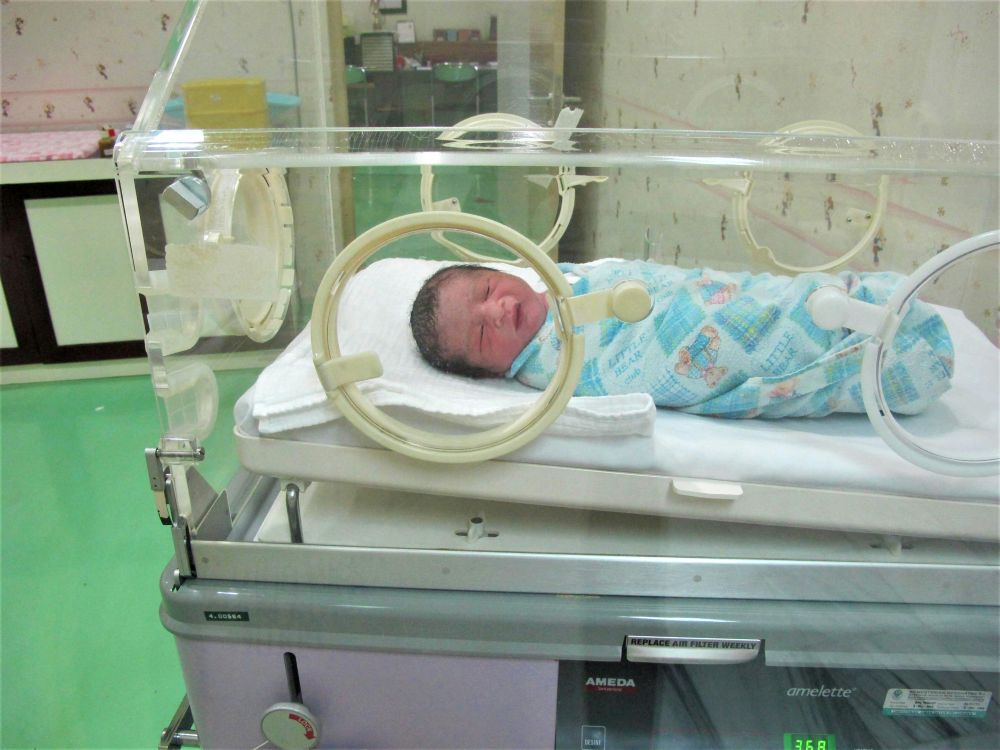
Study finds lean body growth improves brain outcomes in preterm infants.
A recent study from researchers in Vienna has found that the quality of early growth, rather than simple weight gain, plays a major role in shaping brain development among extremely premature infants. The study, published in Pediatric Research, followed children born before 28 weeks of pregnancy and found that those with higher lean body mass—known as fat-free mass—showed stronger language, motor, and thinking skills up to age three.
Extremely preterm babies face steep challenges from the start. Even with advanced medical care, they are at greater risk for developmental delays and neurological problems. Traditional growth tracking often centers on total weight gain, but this approach may not reflect the quality of tissue being built. A baby may gain weight through fat rather than muscle and organ tissue, which has less impact on brain development.
Researchers have turned their focus toward body composition, which offers a clearer picture of how infants are growing. Fat-free mass includes muscle, organs, and the brain itself, making it a more meaningful measure of developmental health. Using air displacement plethysmography, a noninvasive method that measures body composition, the team assessed 105 infants who met strict inclusion criteria and were stable enough for testing. Babies with brain bleeds, birth defects, or metabolic conditions were excluded to ensure accurate results.
By measuring fat-free mass at what would have been the baby’s full-term age, researchers could compare those numbers with developmental test results over time. The children were assessed at one, two, and three years of age using standardized tools to measure language, motor, and cognitive performance. Babies with higher lean mass early on consistently scored better in all three areas throughout early childhood.

Each standard increase in lean mass corresponded to roughly a four-point improvement on the developmental scale, even after adjusting for factors such as gestational age, illness severity, and sex. Fat mass, on the other hand, did not show a similar link to brain outcomes once those adjustments were made. This pattern held steady across multiple testing years, suggesting a lasting connection between lean growth and neurological development.
Prolonged intravenous feeding, which often occurs when fragile infants cannot tolerate full feedings by mouth or tube, appeared to have the opposite effect. Longer durations of parenteral nutrition were tied to weaker motor and language scores at later ages, highlighting potential downsides of delayed or insufficient enteral feeding. These findings suggest that early, high-quality nutrition—particularly protein and energy needed to build muscle and organ tissue—can make a difference in how the brain develops.
Most infants in the study received human milk, known for its protective effects on the brain, but the researchers pointed out that feeding plans must still be carefully tailored. Even with breast milk, some babies fail to build adequate lean mass if nutritional targets are not met. This underlines the need for more precise feeding strategies that go beyond calories and weight checks to include the quality of tissue being gained.
The authors acknowledged limits to their work. Because it was observational, the study cannot prove that higher lean mass directly causes better brain outcomes, only that the two are strongly linked. They also lacked detailed records of exact nutrient intake. Still, the consistency of the findings across multiple developmental stages strengthens the case for closer attention to body composition in neonatal care.
Experts say the results could help shape future feeding guidelines for the smallest and most vulnerable infants. Routine monitoring of fat-free mass could become part of standard practice in neonatal intensive care units, helping clinicians adjust nutrition plans to encourage healthy tissue growth and support long-term neurological health.
The study adds to growing evidence that not all growth is equal, and that the kind of weight a baby gains may be more important than the number on the scale. By focusing on building lean tissue early, medical teams may be able to give preterm infants a stronger foundation for brain development and learning as they grow.
Sources:
Early lean mass shapes long-term brain development in preterm infants
Join the conversation!