
Speaking with an attorney experienced in Colorado wrongful death and highway fatality cases can help protect your rights during an incredibly difficult time.
Losing a loved one in a highway crash is heartbreaking. On top of the emotional shock, families often face confusing legal decisions, especially when a crash happens on one of Colorado’s most dangerous roadways.
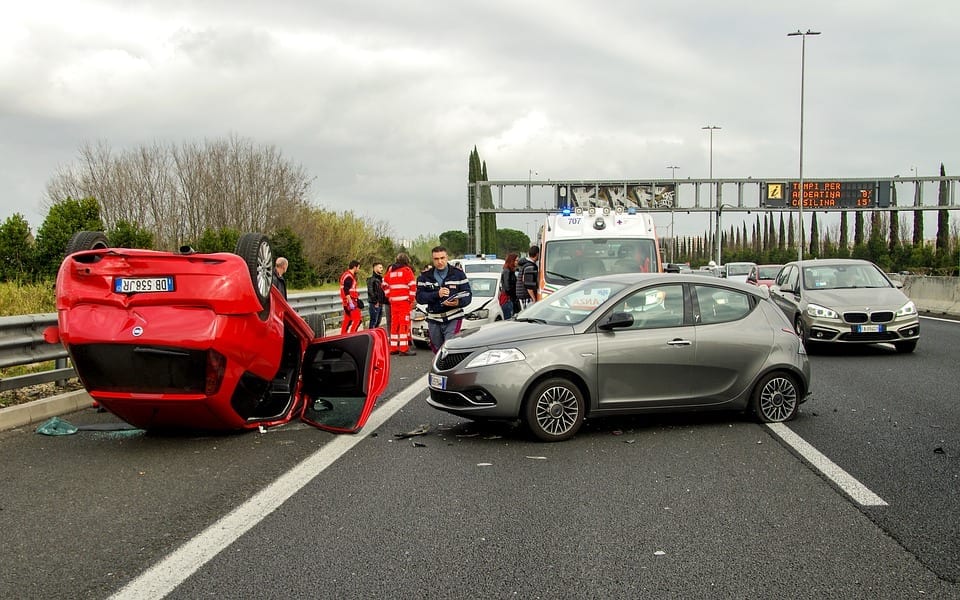
Recent data from 2019–2023 shows that certain stretches of highway are far deadlier than others. A 10-mile segment of I-70 in northeast Denver recorded 23 fatal crashes, making it the deadliest stretch in the state. Several parts of I-25 (running through Denver, Colorado Springs, Pueblo, Thornton, and Centennial) also rank among the most high-risk corridors.
If your family is dealing with the aftermath of a fatal crash, here are the key legal points to understand.
Understanding Wrongful Death Claims in Colorado
When someone is killed in a highway crash, their surviving family may be eligible to file a wrongful death claim. These civil claims are separate from any criminal charges and allow families to seek compensation.
Who Can File in Colorado
Colorado law limits who can bring a wrongful death claim:
- First year: Only the spouse may file.
- After one year: Children may file.
- If no spouse or children: Parents can bring the claim.
What Damages Can Be Recovered
Damages may include:
- Funeral and burial expenses
- Medical costs
- Lost income and financial support
- Loss of companionship and emotional support (subject to Colorado’s damage caps)
The Importance of the Statute of Limitations
In Colorado, families generally have two years from the date of death to file a wrongful death claim. Missing this deadline usually means losing the right to pursue compensation.
This can be challenging because crash investigations often take months. Speaking with an attorney early can help preserve evidence and ensure deadlines are met.
Key Evidence in Highway Fatality Cases
Strong cases rely on detailed evidence, such as:
- Police reports
- Traffic camera footage
- Witness statements
- Cell phone records
- Vehicle black box data
- Crash-history data showing that a highway segment has a pattern of deadly collisions
High-risk corridors matter because they may reveal unsafe road design, inadequate lighting, or poor maintenance. These are factors that could point to government liability.
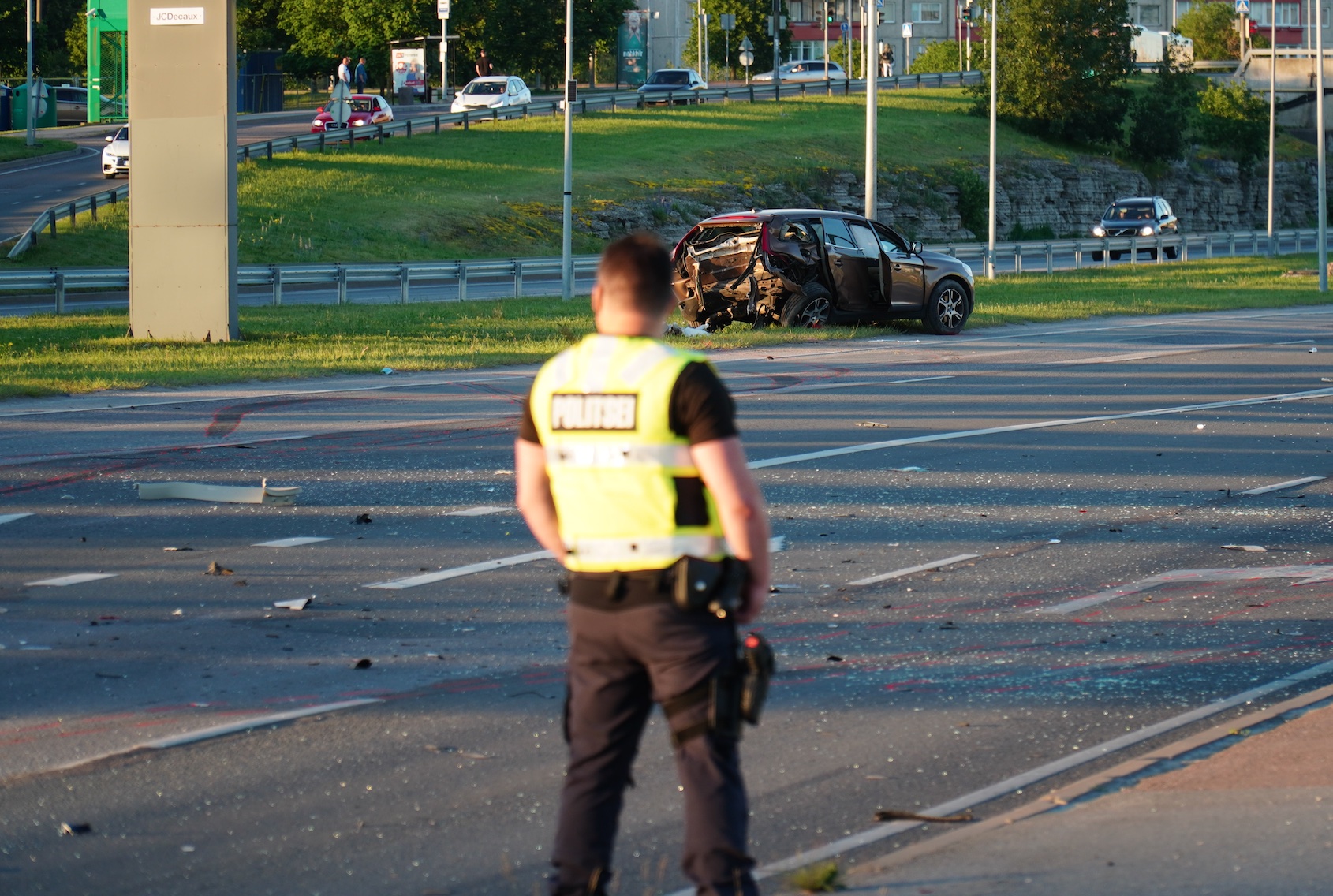
Crash reconstructionists, engineers, and medical experts may also be needed to explain how the collision happened and what contributed to the death.
Navigating Insurance Companies
Insurance adjusters often try to settle quickly and for less than the claim is worth. They may also attempt to shift blame onto the victim.
Colorado uses a modified comparative negligence rule:
- If the deceased is 50% or more at fault, the family cannot recover.
- If less than 50% are at fault, compensation is reduced by that percentage.
An attorney can help protect the family from tactics that reduce the value of the claim.
When Government Agencies May Be Responsible
If road design or maintenance contributed to a fatal crash, a claim may be possible against a government entity. These cases fall under the Colorado Governmental Immunity Act, which has strict requirements and shorter deadlines.
Families must provide written notice within 180 days of the crash. Missing this deadline can bar the claim entirely.
Pedestrian Fatalities on Colorado Highways
On Colorado’s deadliest highway segments, 22% of fatalities involve pedestrians, three times the statewide rate. These cases often involve questions about lighting, visibility, crosswalks, and whether pedestrians were in areas where crossing is allowed. Liability can be complicated and requires careful analysis.
How Families Can Protect Their Claim
After a fatal crash, these steps can make a significant difference:
- Keep all records, such as medical bills, funeral costs, insurance correspondence.
- Avoid recorded statements to insurers without legal advice.
- Don’t accept early settlement offers.
- Preserve the vehicle and personal belongings involved in the crash.
- Photograph the crash scene, signage, and lighting (if possible).
The Impact of A Wrongful Death Claim
A wrongful death claim cannot undo the loss, but it can:
- Hold negligent parties accountable
- Provide financial stability for the family
- Encourage changes that improve road safety
- Offer a sense of justice and closure
Families should not navigate this process alone, especially when dealing with dangerous highway segments like I-70 in northeast Denver or the high-risk stretches of I-25 along the Front Range. Speaking with an attorney experienced in Colorado wrongful death and highway fatality cases can help protect your rights during an incredibly difficult time.
Join the conversation!