
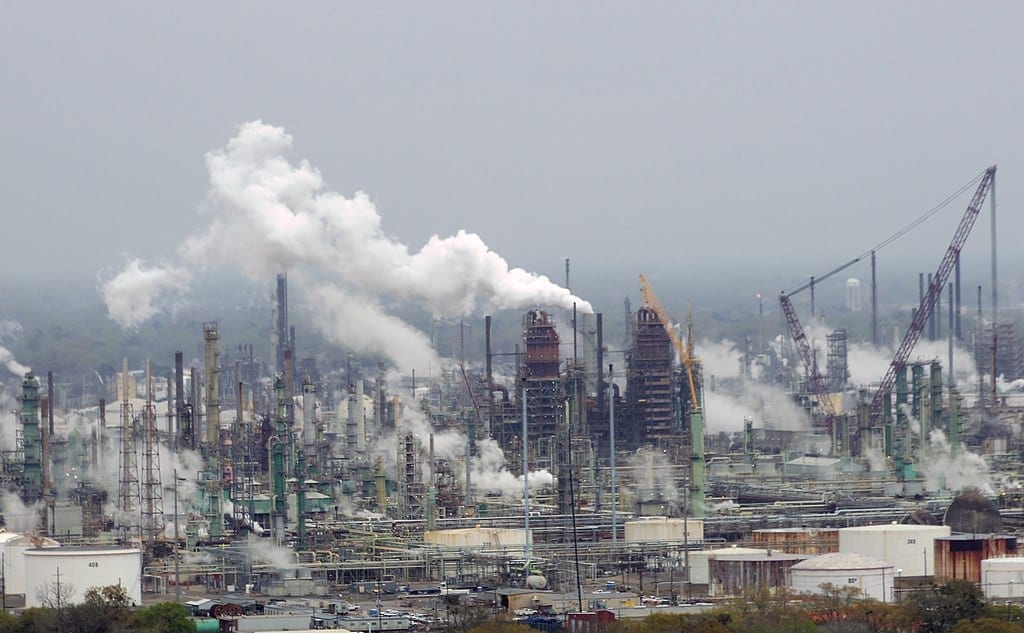
Nessel’s office allegedly identified several ways in which oil industry stakeholders worked together to inhibit competition. In a press release, Nessel said that the defendants used tactics that included using patent manipulation to hinder market competitors; suppressing information concerning the true costs of fossil fuel usage; infiltrating non-profit watchdogs and public regulators; and using trade associations to coordinate market-wide efforts to “divert capital expenditures away from renewable energy.”
Michigan Attorney General Dana Nessel has filed a lawsuit against Exxon Mobil and three other oil companies, claiming that they engaged in a decades-long conspiracy to undermine the adoption of renewable energy and electric vehicles.
According to The Detroit Free Press, the lawsuit lists defendants including Exxon Mobil, Chevron, BP, and Shell. The American Petroleum Institute, an oil industry trade group, is also named as a defendant. Nessel’s office claims that these parties began conspiring to suppress potential competition from renewable energy as early as 1979.
The lawsuit seeks an unspecified amount of damages, subject to a significant multiplier.
“In the world that would have existed but for (the) conspiracy, EVs would not be a fringe technology or a luxury alternative,” the lawsuit alleges. “They would be a common sight in every neighborhood — rolling off assembly lines in Flint, parked in driveways in Dearborn, charging outside grocery stores in Grand Rapids and running quietly down Woodward Avenue.”
“Reliable and fast chargers would be integrated into new development and ubiquitous at highway rest stops and converted gas stations,” the lawsuit says. “A family needing a car would have dozens of affordable electric options, and the renewable energy needed to power EVs efficiently would be supplied at scale — integrated into the grid or delivered through a dedicated 100% renewable network.”
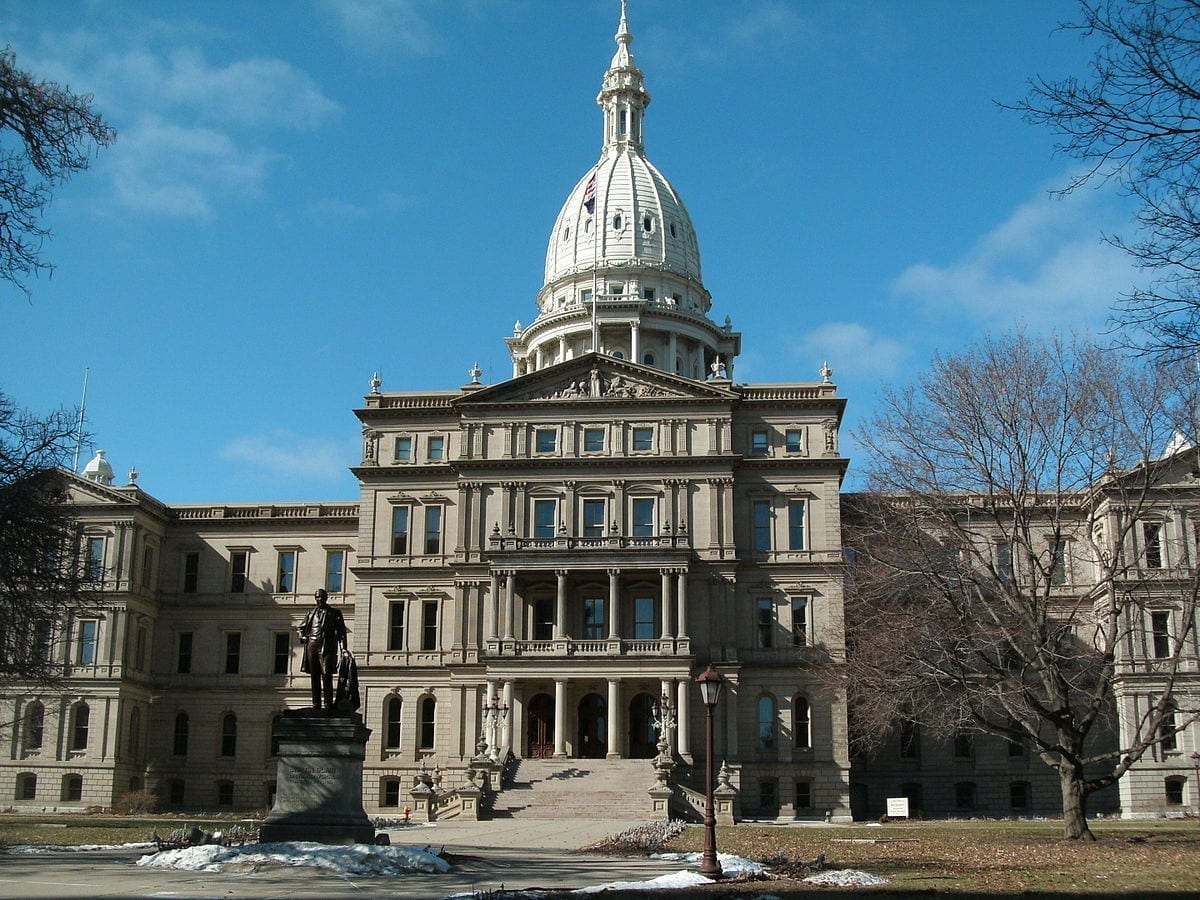
Nessel’s office allegedly identified several ways in which oil industry stakeholders worked together to inhibit competition. In a press release, Nessel said that the defendants used tactics that included using patent manipulation to hinder market competitors; suppressing information concerning the true costs of fossil fuel usage; infiltrating non-profit watchdogs and public regulators; and using trade associations to coordinate market-wide efforts to “divert capital expenditures away from renewable energy.”
The lawsuit alleges that the effects of this conspiracy have had an impact that extends far beyond the auto industry.
“Michigan is facing an energy affordability crisis as our home energy costs skyrocket and consumers are left without affordable options for transportation. Whether you own a home, a small business, or run a large corporation, rising energy and transportation costs harm everyone,” Nessel said in a statement. “These out-of-control costs are not the result of natural economic inflation, but due to the greed of these corporations who prioritized their own profit and marketplace dominance over competition and consumer savings.”
In a separate statement provided to the Detroit Free Press, Nessel said that rising costs could have been prevented had the oil industry elected to take action.
“These rising costs could have been prevented, had the fossil fuel cartel not worked together to postpone innovation and to eliminate cost-effective alternatives that could have been out there,” Nessel said. “So, simply put, it’s a case about accountability as well as affordability.”
Sources
Michigan AG Dana Nessel alleges decades-long conspiracy by big oil
Join the conversation!