

Understanding the various factors that contribute to denied veterans’ disability claims is essential for improving outcomes in this critical area.
The Department of Veterans Affairs (VA) requires that veterans provide comprehensive documentation of their medical conditions, including diagnoses, treatment histories, and the impact of these conditions on their daily lives. Without adequate medical evidence, the VA may find it challenging to establish a direct link between a veteran’s service and their claimed disabilities. This lack of evidence can stem from various factors, including insufficient medical records, failure to obtain necessary evaluations, or a lack of clarity in the documentation provided.
Veterans may sometimes underestimate the importance of thorough medical documentation. They might assume that their verbal accounts of their conditions will suffice, but the VA typically requires objective evidence from qualified medical professionals. This includes not only diagnoses but also detailed treatment plans and progress notes that illustrate the severity and persistence of the conditions. In many cases, veterans may need to seek additional evaluations or opinions from specialists to strengthen their claims. Without this level of detail, claims can be easily dismissed or denied due to insufficient evidence.
Failure to Meet the Eligibility Criteria
Eligibility criteria for veterans’ disability benefits are clearly defined by the VA, and failure to meet these criteria is a common reason for claim denials. To qualify for benefits, veterans must demonstrate that they have a service-connected disability that affects their ability to work or perform daily activities. This includes proving that the disability was incurred or aggravated during active military service. If a veteran cannot provide evidence that meets these specific eligibility requirements, their claim is likely to be rejected.
Moreover, the VA has established specific guidelines regarding the types of disabilities that qualify for benefits. These guidelines include both physical and mental health conditions, but not all ailments are automatically covered. For instance, conditions that arise after service or those that are not linked to military duties may not qualify for compensation. Veterans must be diligent in understanding these criteria and ensuring that their claims align with them. Failure to do so can lead to unnecessary delays and frustrations in the claims process.
Incomplete or Inaccurate Application
The application process for veterans’ disability benefits can be complex, and many veterans encounter challenges due to incomplete or inaccurate applications. A claim that lacks necessary information or contains errors can result in delays or outright denials. Common mistakes include missing signatures, incorrect personal information, or failure to provide all required documentation. Each of these oversights can hinder the processing of a claim and may require additional time and effort to rectify.
To avoid these pitfalls, veterans should take care to review their applications thoroughly before submission. It is advisable to follow the VA’s guidelines closely and ensure that all sections of the application are filled out completely and accurately. Additionally, seeking assistance from veteran service organizations or knowledgeable individuals can help clarify any uncertainties regarding the application process. By taking these precautions, veterans can improve their chances of a successful claim and reduce the likelihood of complications arising from incomplete or inaccurate submissions.
Lack of Service Connection
A critical component of any veterans’ disability claim is establishing a service connection between the veteran’s military service and their claimed disabilities. The VA requires clear evidence that a veteran’s condition is directly related to their time in service. This connection can be established through various means, including medical records, service records, and personal statements detailing how the condition developed as a result of military duties. Without this connection, claims are often denied.
Veterans may face challenges in demonstrating this service connection, particularly if their conditions developed long after their military service ended or if they did not seek treatment during their time in service. In such cases, it becomes essential for veterans to gather as much supporting documentation as possible. This may involve obtaining statements from fellow service members who witnessed the onset of symptoms or seeking expert opinions from medical professionals who can attest to the relationship between military service and the claimed condition. Establishing a clear service connection is vital for a successful claim and requires careful attention to detail.
Discrepancies in the Veteran’s Statements
Discrepancies in a veteran’s statements can significantly impact the outcome of a disability claim. The VA relies on consistent and credible accounts from veterans regarding their conditions and experiences during service. If there are contradictions in what a veteran reports—whether in written statements, during interviews, or in medical evaluations—the VA may question the validity of the claim. Such discrepancies can arise from misunderstandings, memory lapses, or even unintentional misstatements.
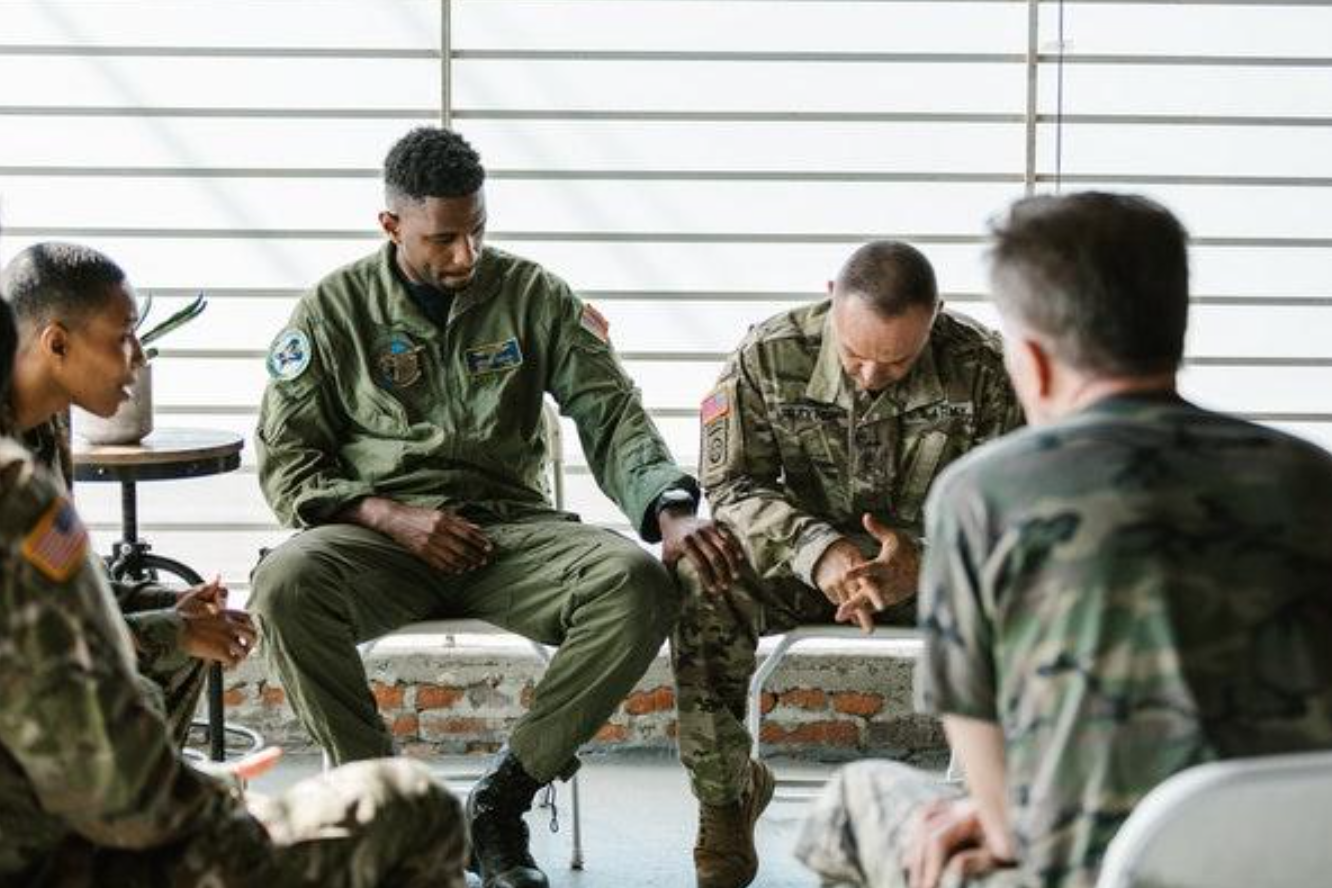
To mitigate this risk, veterans should strive for consistency in their accounts throughout the claims process. It is advisable to keep detailed records of symptoms, treatments, and any relevant incidents during military service. When preparing statements or attending evaluations, veterans should be honest and straightforward about their experiences and conditions. If there are changes in symptoms or new developments since previous statements were made, it is crucial to communicate these updates clearly to avoid confusion or misinterpretation by VA officials.
Failure to Attend VA Medical Examinations
The VA commonly schedules medical exams during the claims process to evaluate how severe a condition is and whether it qualifies for benefits. Missing an exam can seriously hurt a claim and may even result in an automatic denial because the VA may say it does not have enough evidence to rate the disability properly. These exams are meant to provide an objective assessment from a qualified medical professional, including how the condition affects daily life and work. If you are unsure how to prepare or what to do if you missed an appointment, California veterans disability lawyers can help you understand the next steps and keep your claim on track.
Veterans may miss these appointments for various reasons, including scheduling conflicts, transportation issues, or misunderstandings about the importance of attendance. However, it is essential for veterans to prioritize these examinations as they play a crucial role in substantiating claims. If a veteran cannot attend an examination due to legitimate reasons, they should promptly communicate with the VA to reschedule or explain their situation. Taking proactive steps can help ensure that claims are not adversely affected by missed appointments.
Missed Deadlines for Filing Claims or Appeals
Timeliness is critical in the veterans’ disability claims process, as missed deadlines can result in lost opportunities for benefits. The VA has specific timeframes within which veterans must file initial claims or appeals following a denial. Failing to adhere to these deadlines can lead to automatic disqualification from receiving benefits or necessitate re-filing under more stringent conditions.
Veterans should familiarize themselves with these deadlines and keep track of important dates throughout the claims process. Setting reminders and maintaining organized records can help ensure that submissions are made on time. In cases where veterans are unsure about deadlines or face challenges meeting them due to extenuating circumstances, seeking assistance from veteran service organizations can provide valuable guidance and support in navigating these timelines effectively.
Failure to Seek Legal Assistance
Navigating the complexities of veterans’ disability claims can be daunting, and many veterans may benefit from seeking legal assistance throughout the process. Legal professionals who specialize in veterans’ affairs can provide valuable insights into eligibility criteria, help gather necessary documentation, and represent veterans during appeals if claims are denied. However, some veterans may hesitate to seek legal help due to misconceptions about costs or a belief that they can manage the process independently.
Engaging legal assistance can significantly enhance a veteran’s chances of success in obtaining benefits. Attorneys familiar with VA regulations can identify potential pitfalls in claims and offer strategies for addressing them effectively. Additionally, they can assist in preparing for hearings and ensuring that all necessary evidence is presented clearly and persuasively. By recognizing the value of legal support, veterans can navigate the claims process more effectively and increase their likelihood of receiving deserved benefits.
In conclusion, understanding the various factors that contribute to denied veterans’ disability claims is essential for improving outcomes in this critical area. By addressing issues such as insufficient medical evidence, failure to meet eligibility criteria, incomplete applications, lack of service connection, discrepancies in statements, missed examinations, missed deadlines, and the importance of legal assistance, veterans can better prepare themselves for successful claims processes. Awareness and proactive measures can make a significant difference in securing benefits that support veterans’ health and well-being after their service.
Join the conversation!