
Portable test strip detects mosquito-borne viruses with greater sensitivity quickly.
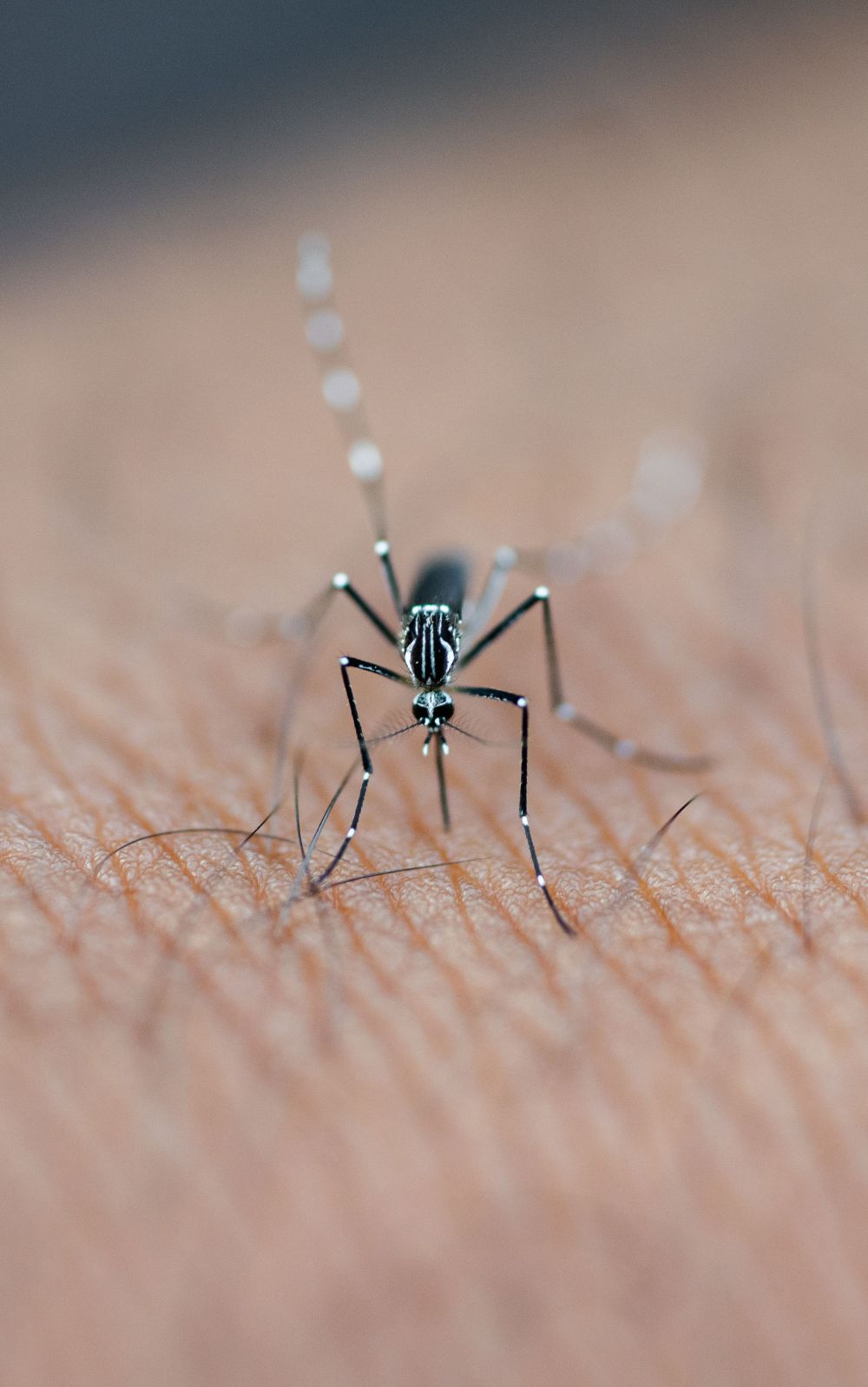
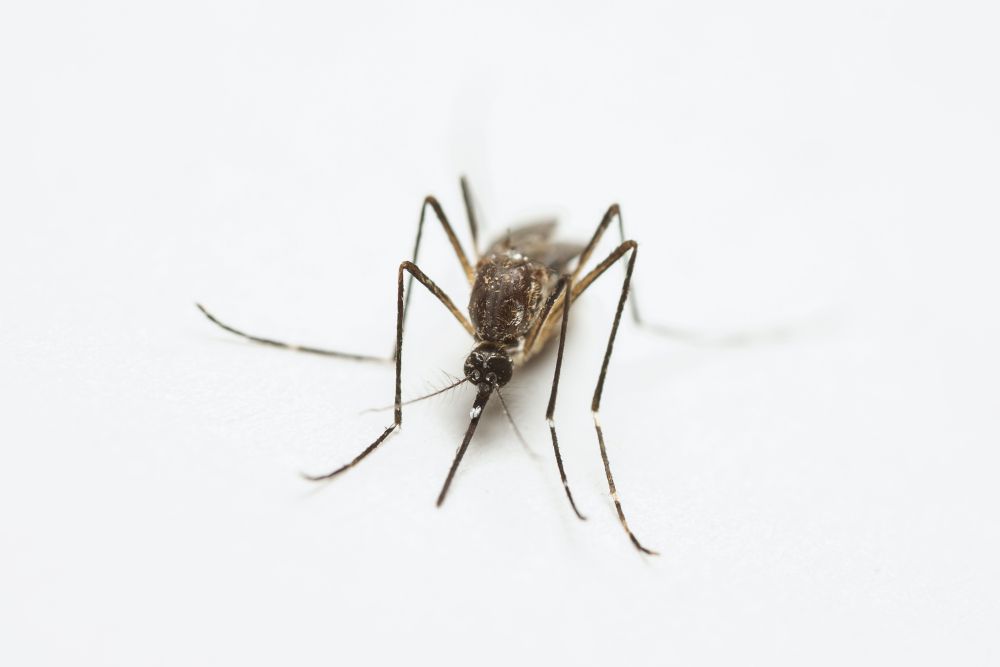
Researchers in China have created a new test strip that may make it easier to find mosquito-borne viruses quickly. The new method was tested using chikungunya virus, a disease spread by mosquitoes that can cause multiple symptoms, including fever, joint pain, headaches, and fatigue. Scientists believe the technology could eventually help with the detection of several other mosquito-related illnesses as well, perhaps including viruses like dengue, Zika, yellow fever, West Nile virus and Japanese encephalitis virus. Increased travel, global trade, and changes in weather patterns have helped mosquitoes spread into new regions, raising concerns about future outbreaks and all mosquito-related illnesses have caused numerous fatalities year after year.
Doctors often depend on lab testing to confirm infections. One of the most common methods involves searching for the genetic material of a virus. These tests are usually very accurate, but many require expensive machines, trained workers, and specialized settings. In some rural areas, ports of entry, field clinics, or developing regions, those resources may not be available.
To address this problem, a research team led by Yanmin Ju of China Pharmaceutical University developed a portable test strip designed to improve both ease of use and sensitivity. The system works without enzymes and does not rely on large laboratory instruments. Instead, it uses a specially designed process that creates more opportunities for the target virus material to be captured and detected on the strip.
The research team built a series of molecular probes that react when chikungunya genetic material is present. Once activated, these probes trigger a chain reaction that produces large numbers of detectable products. The design differs from older strip tests because it creates multiple binding locations rather than only a few. This allows more signal-producing particles to gather at the test line, making positive samples easier to see.
The team also added tiny gold and platinum particles that act as chemical helpers. These particles create a dark brown-red color on the test strip when the virus is present. The stronger color makes it easier to spot even small amounts of viral material. Laboratory testing showed that the new system could detect much lower concentrations of chikungunya than standard versions of similar strip tests.
During development, the researchers adjusted factors such as reaction time, temperature, chemical levels, and probe amounts to improve performance. After these changes, the test demonstrated a much stronger visual signal than earlier designs. In some comparisons, the signal produced by the new approach was nearly ten times greater than methods with fewer binding locations.
The team also examined whether the test could tell chikungunya apart from other mosquito-borne viruses. Samples containing Zika, dengue, West Nile virus, yellow fever virus, Japanese encephalitis virus, and Getah virus produced much weaker reactions. This suggests the test can identify chikungunya with a high degree of accuracy and without confusing it with the other infections. Researchers then tested the system using serum, saliva, and urine samples that had been prepared with known amounts of virus material. Results remained consistent across the different sample types, showing that the method can perform well in biological samples rather than only in controlled laboratory conditions.
In a final evaluation, the scientists examined 36 mouse serum samples that were suspected of containing chikungunya virus. The new strip test identified positive and negative samples exactly the same way as RT-PCR, one of the most trusted laboratory methods used today. These findings showed complete agreement between the two approaches. The researchers believe this technology could become a useful tool for disease monitoring and outbreak response, and because the test is portable, easy to read, and does not depend on large machines, it may help health workers screen for infections in remote locations and areas with limited medical resources.
Sources:
New portable strip test accurately detects mosquito-borne viruses
Join the conversation!