

Whether you’re handling a recorded statement, fielding repeated follow-ups, or simply trying to keep things organized, these insurance claim phone call tips can help you move forward with clarity.
After an accident, one of the first phone calls many people receive is from an insurance adjuster. Whether it’s your own insurer or the other driver’s, the conversation may seem routine—but it can significantly impact your claim. Understanding what to say when insurance calls (and what not to say) can help protect your rights and prevent potential missteps.
Here’s a breakdown of how to handle these calls, common pitfalls to avoid, and the key phrases to use when speaking with an adjuster.
Why the Call Matters
That first phone call from an insurance adjuster might feel routine, even friendly—but it’s far from casual. When an insurer contacts you, it’s not just a courtesy follow-up. It’s an information-gathering session, and everything you say is potentially being documented for later use in evaluating—or limiting—your claim.
Adjusters are trained professionals. Their role isn’t to advocate for your recovery or ensure a fair outcome. Their job is to protect the financial interests of the insurance company. This becomes even more critical when you’re talking to the other driver’s insurance company, whose priority is to reduce liability for their policyholder.
The language you use, even in passing, can be interpreted in ways that affect your compensation. Innocent phrases can be twisted to imply fault, minimize injury claims, or challenge the severity of the incident. That’s why it’s important to approach every call with preparation and awareness. What feels like a simple conversation can shape the outcome of your entire claim.
What to Say to an Insurance Adjuster
There’s no one-size-fits-all insurance adjuster call script, but there are key principles that can guide the conversation. If you’re wondering how to respond when an insurer calls after a crash, these tips are essential:
- Stick to the basics. Confirm your name, contact information, and the date/time/location of the accident.
- Politely decline to speculate. If asked about the cause of the crash or your injuries, say you’re still gathering information or under medical evaluation.
- Be honest—but brief. Avoid going into unnecessary detail or making statements that could be misinterpreted later.
Here’s a helpful phrase to use:
“I’m happy to cooperate, but I’m still in the process of understanding what happened and consulting with professionals.”
What Not to Say to an Insurance Company After an Accident
Even seemingly harmless comments can be taken out of context or used to limit your claim later on. That’s why knowing what not to say to an insurance company after an accident is just as important as knowing what to say.
- “I’m fine” or “I’m not hurt.”
In the immediate aftermath of a crash, many injuries—especially soft tissue injuries or concussions—don’t show symptoms right away. Statements like these can later be used to argue that your injuries aren’t serious or weren’t caused by the accident at all. - “It was my fault” or “I didn’t see them coming.”
Even if you’re trying to be polite or cooperative, these phrases can be interpreted as admissions of liability. Determining fault is a legal and investigative process, not something that should be decided during a phone call. - Any estimate of damage or injury.
Guessing about repair costs, recovery time, or medical expenses can work against you. Insurance companies rely on documentation and professional evaluations—let those speak for themselves.
One situation that often catches people off guard is a request for a recorded statement. Understanding how to handle a recorded statement request is critical. In many cases, you are not legally required to provide one immediately—especially to the other driver’s insurance company. These statements are typically recorded, transcribed, and reviewed carefully for inconsistencies.
A calm, firm response such as “I’d prefer to wait until I’ve had legal guidance before giving a statement” is both reasonable and protective. Taking that pause can help ensure that what you say later accurately reflects the facts and your situation—without unnecessary risk.
Insurance Claim Phone Call Tips: A Step-by-Step Approach
Navigating an insurance claim phone call can feel overwhelming—especially when you’re still recovering physically or emotionally from an accident. Whether you’re speaking with your own insurer or the other driver’s, preparation can make all the difference. Here’s a step-by-step Alabama claim checklist to help you approach these conversations with confidence:
- Prepare before answering
Take a few moments to gather your thoughts. Review any notes you’ve taken about the accident, the police report (if available), and any updates from your medical provider. Being informed helps you avoid guessing or speculating under pressure. - Write down the adjuster’s name and claim number
Always get the full name, title, and contact information of the person calling. Record the claim number associated with the case so you can refer to it in future conversations. - Keep calm and avoid emotional language
It’s natural to feel frustrated or upset after a crash, but try to keep your tone neutral. Emotional statements—even those meant to convey how shaken you were—can sometimes be misinterpreted or used to question the consistency of your account later on. - Do not rush to settle
Early settlement offers can be tempting, especially if you’re dealing with medical bills or lost income. But quick offers are often made before the full extent of your injuries is clear—and before you’ve had time to understand the long-term impact. - Document everything
After every call, write down the date, time, who you spoke with, and a summary of the conversation. This simple step creates a valuable paper trail in case details are disputed later in the claims process.
Following this checklist won’t just help you stay organized—it can also protect your interests as the claim progresses.
When the Adjuster Seems ‘Nice’
Not all insurance calls feel confrontational—some of the most persuasive ones come from adjusters who sound genuinely kind, patient, and understanding. They might tell you they “just need a few quick details” to move the claim along or that they’re “trying to help get this wrapped up for you as soon as possible.” These statements can feel reassuring, especially in the chaotic days following a crash. But it’s important to recognize the strategy behind the tone.
Friendly adjusters often lead with empathy to lower your guard. They may downplay the significance of the call or suggest that you’re simply “checking a few boxes.” In reality, these early conversations are often used to gather information that could later be used to limit or deny compensation. And because the conversation feels informal, many people reveal more than they should.
Being polite doesn’t mean being unprotected. You can remain cooperative without compromising your position. When the adjuster seems “nice,” remember that their interests and yours may not align.
Here are a few phrases to keep the tone respectful while protecting yourself:
- “I appreciate your follow-up, but I’m still processing everything and not ready to discuss details.”
- “Before we get into anything specific, I’d like to better understand the full extent of the situation, including medical evaluations.”
- “I’m not comfortable providing a recorded statement at this time, but I’m open to revisiting that after reviewing everything.”
These kinds of responses maintain a courteous tone while setting clear boundaries. It’s not about being combative—it’s about being prepared.
Considering Legal Guidance
If you find yourself hesitating over what to say—or what not to say—during insurance calls, you’re not alone. Many people, especially in the aftermath of a crash, feel uncertain about how much to share or how to handle increasingly persistent calls from insurance companies.
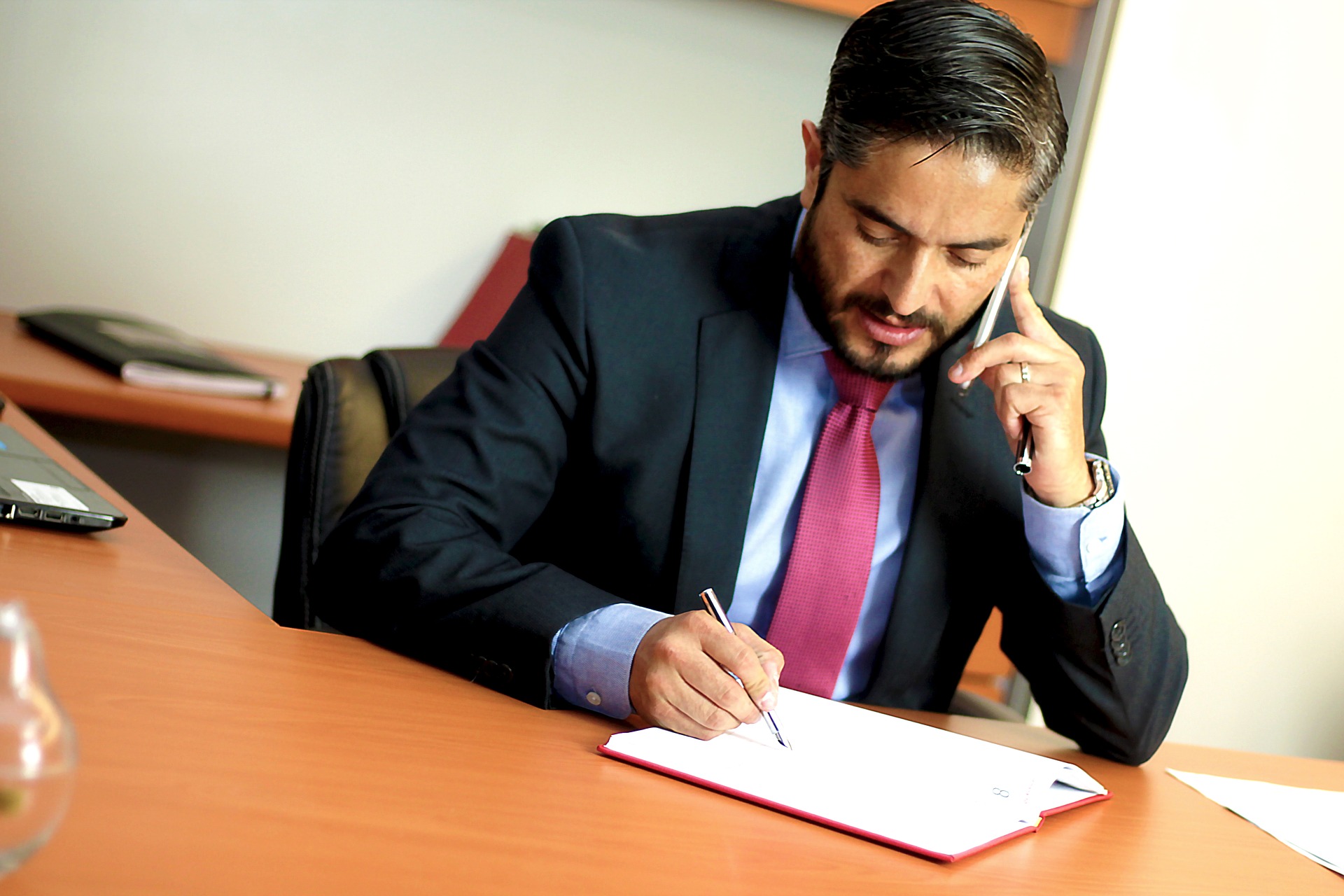
That’s where legal guidance can make a meaningful difference. Talking to a local injury lawyer in Birmingham isn’t about escalating the situation—it’s about making sure you understand your rights and obligations before making potentially binding statements. Insurance adjusters are trained to lead conversations in ways that benefit their company. Having someone in your corner who knows the system can help you avoid common missteps that could reduce the value of your claim or impact your ability to seek fair compensation later.
Whether you’re unsure about giving a recorded statement, need help interpreting a settlement offer, or simply want to better understand the claims process in Alabama, a consultation can provide clarity. In many cases, these conversations are free and carry no obligation, making them a practical step for anyone navigating the aftermath of an accident.
Sometimes, the smartest move is just having someone knowledgeable review the situation with you—before the paperwork, the negotiations, and the legal language become overwhelming.
Navigating the Conversation with Confidence
Insurance adjuster calls after a crash aren’t just routine—they can shape the direction and outcome of your entire claim. That’s why knowing what to say to an insurance adjuster—and just as importantly, what not to say to an insurance company after an accident—is key to protecting your interests.
Now you know what to say when insurance calls. Whether you’re handling a recorded statement, fielding repeated follow-ups, or simply trying to keep things organized, these insurance claim phone call tips can help you move forward with clarity. And while every case is different, it’s not uncommon for people to feel unsure during this process. In those moments, talking to a local injury lawyer in Birmingham can offer perspective—and often, peace of mind—when it’s needed most.
Join the conversation!