
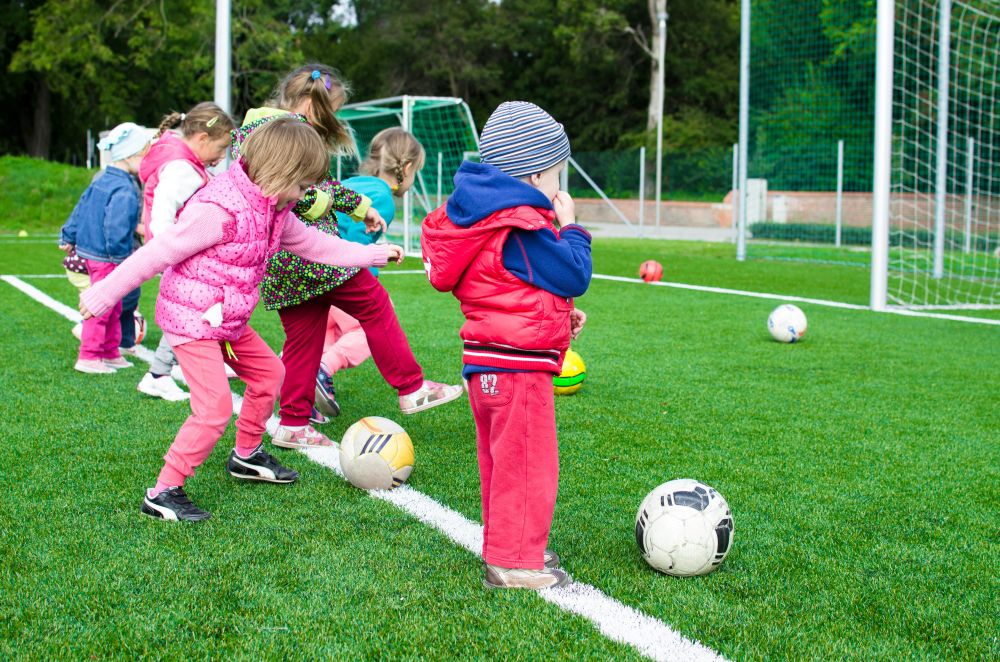
Steady childhood sports participation linked to fewer defiant behaviors in boys.
Young adolescents often face behavior struggles as they grow, but a new line of research points to a simple community activity that may lower those challenges for many boys. A team of researchers in Canada and Italy found that boys who took part in organized sports on a steady basis during early childhood were less likely to show patterns of defiance by early adolescence. The study followed children who were active in group sports between ages six and ten and compared their later behavior with peers who rarely or never joined such activities. The results suggest that steady involvement in sports during those years may help boys develop habits that support better behavior as they get older.
The research team pulled information from a long-running study in Quebec that has tracked children born in the late 1990s. This large set of data allowed the team to look at thousands of factors, including home life, early behavior patterns, and school background. From this group, they focused on more than a thousand children who joined structured sports that had rules, adult supervision, and group involvement. These activities included any sport with a coach or instructor guiding the children and helping them work as a team. The study also paid close attention to family income, the mother’s education, and early behavior signs to avoid confusing results.
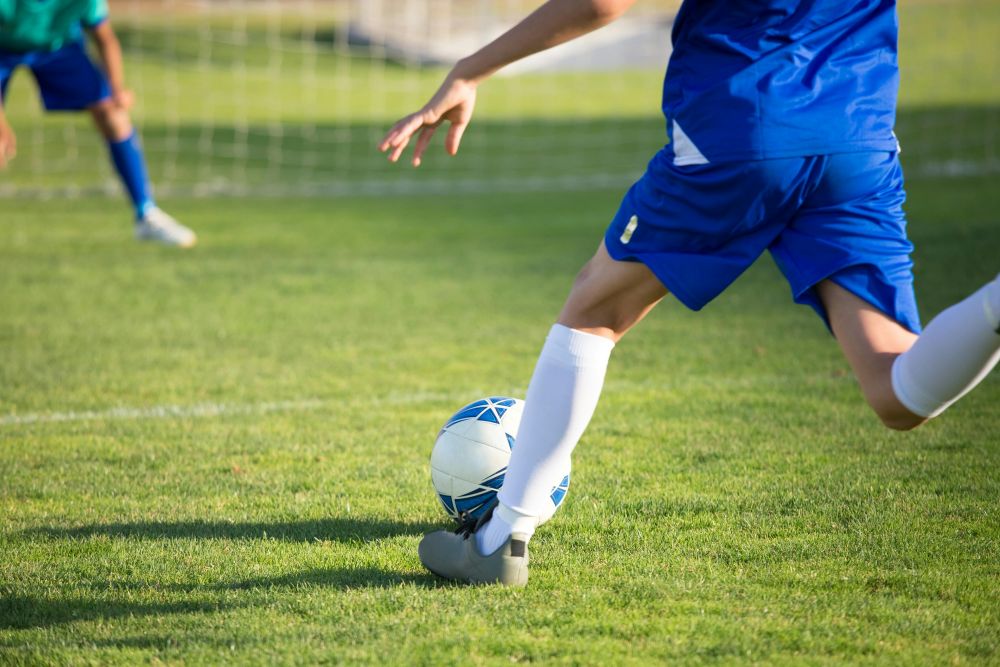
The children later filled out questionnaires at ages ten and twelve that asked about irritability, temper problems, and refusal to follow rules. These questions helped the researchers track signs often tied to oppositional-defiant behavior. This type of behavior can show up as ongoing anger, arguing, or acting out against adults. It can also interfere with learning and social relationships. While many children show these traits at times, steady patterns can affect school life and general well-being if they persist.
The findings showed that boys who stayed active in sports over several years had fewer of these behavior signs than boys who joined sports only off and on or not at all. The structure of organized sports may play an important role. Sports often require children to follow instructions, wait their turn, and work toward shared goals. Coaches help reinforce these expectations in a setting that feels fun and social rather than restrictive. These settings may help boys learn how to handle frustration, cooperate with peers, and respect limits set by adults.
The same pattern did not appear in girls. The researchers noted that boys tend to show oppositional behavior at higher rates in middle childhood, so the benefits of sports may stand out more clearly in that group. Still, the study suggests that providing steady access to structured sports in communities may help support healthier behavior as children grow. It also highlights the value of simple programs that give children chances to learn social and emotional skills outside the classroom. By creating steady routines, building friendships, and offering positive adult guidance, organized sports may help lower the strain that behavior problems place on families, schools, and communities.
Join the conversation!